Marine Tourism in Sindhudurg: How India’s Emerging Blue Economy Destination Is Reshaping Coastal Growth and Long-Term Investment Potential
Across the world, coastal regions are increasingly becoming engines of economic growth, sustainable development, and tourism-led prosperity. From Australia’s Great Barrier Reef to the Mediterranean coastlines of Europe, marine tourism has evolved into a powerful contributor to local economies, generating employment, attracting investment, and fostering environmental conservation. India, with a coastline stretching over 7,500 kilometers, is now accelerating its focus on the Blue Economy, and one destination steadily gaining attention is Sindhudurg.
Today, Marine Tourism in Sindhudurg is emerging as one of the most significant tourism and economic development stories on India’s western coast. Known for its pristine beaches, coral ecosystems, maritime heritage, marine biodiversity, and adventure tourism opportunities, Sindhudurg is increasingly attracting travelers, policymakers, tourism operators, and long-term investors.
Located in Maharashtra’s Konkan region and strategically positioned along the Maha-Goa corridor, Sindhudurg offers a rare combination of natural beauty and infrastructure-led growth. Enhanced connectivity through airports, highways, maritime projects, and government-backed tourism initiatives is creating new opportunities for sustainable regional development.
According to the Ministry of Tourism, Government of India, coastal tourism remains one of the country’s most promising tourism segments, while the government’s Blue Economy vision emphasizes the sustainable utilization of marine resources for economic growth and livelihood creation.
Against this backdrop, Marine Tourism in Sindhudurg is evolving beyond leisure travel. It is becoming a catalyst for infrastructure development, hospitality expansion, environmental conservation, employment generation, and long-term economic transformation.
Understanding Marine Tourism in Sindhudurg
Marine tourism encompasses a wide range of activities connected to coastal and marine environments. These include:
- Scuba diving
- Snorkeling
- Island tourism
- Maritime heritage tourism
- Coastal recreation
- Water sports
- Dolphin watching
- Marine wildlife exploration
- Eco-tourism experiences
Globally, marine tourism forms a critical component of the Blue Economy. According to the United Nations World Tourism Organization (UN Tourism), sustainable coastal tourism contributes significantly to economic resilience while encouraging environmental stewardship.
In India, Marine Tourism in Sindhudurg represents one of the most compelling examples of how tourism, ecology, and infrastructure can work together to create a sustainable development model.
The district’s 122-kilometer coastline, diverse marine habitats, protected ecosystems, and historical maritime significance provide a strong foundation for long-term tourism growth.
Why Sindhudurg Holds Strategic Importance
The rise of Marine Tourism in Sindhudurg is not accidental. It is supported by a combination of natural assets, connectivity improvements, and government-backed initiatives.
Exceptional Coastal Geography
Sindhudurg possesses some of the most ecologically rich coastal environments in Maharashtra. The region is home to:
- White-sand beaches
- Rocky island formations
- Coral ecosystems
- Mangrove forests
- Marine biodiversity zones
- Coastal wetlands
According to the Maharashtra Tourism Development Corporation (MTDC), Sindhudurg is also home to Maharashtra’s only marine sanctuary, making it one of the state’s most important marine conservation zones.
Strategic Maha-Goa Location
One of the strongest advantages supporting Marine Tourism in Sindhudurg is its location along the emerging Maha-Goa growth corridor.
This region benefits from:
- Proximity to North Goa tourism markets
- Growing domestic and international visitor traffic
- Airport accessibility
- Coastal highway connectivity
- Hospitality sector expansion
As travelers increasingly seek less crowded and experience-driven destinations, Sindhudurg offers a compelling alternative focused on authenticity, nature, and sustainability.
The Evolution of Marine Tourism in Sindhudurg
Historically, tourism in Sindhudurg was primarily associated with beaches, heritage attractions, and local culture. However, over the last decade, changing traveler preferences have significantly expanded the tourism landscape.
Modern tourists increasingly seek:
- Adventure experiences
- Nature immersion
- Eco-tourism
- Wellness retreats
- Unique cultural interactions
This shift has directly benefited Marine Tourism in Sindhudurg.
The growing popularity of experiential travel has transformed destinations such as Tarkarli, Malvan, Devbagh, Vengurla, and Nivati into recognized marine tourism hubs.
Water-based experiences, marine biodiversity exploration, and underwater activities are attracting younger travelers, families, adventure enthusiasts, and international visitors alike.
India’s First Underwater Warship Museum: A Defining Moment
Perhaps the most significant development shaping the future of Marine Tourism in Sindhudurg is the creation of India’s first underwater warship museum.
The project involves the decommissioned INS Guldar, a naval vessel that served the Indian Navy for nearly four decades.
The ship has been submerged near Nivati Rocks to create:
- An underwater museum
- An artificial coral reef
- A scuba diving attraction
- A marine biodiversity enhancement zone
According to reports from the Hindustan Times, the project has received substantial support from both the Government of India and the Government of Maharashtra.
Why This Matters
Globally, underwater museums and artificial reef projects have transformed tourism destinations.
Examples include:
- Florida, USA
- Queensland, Australia
- The Red Sea, Egypt
These projects attract:
- Divers
- Marine researchers
- Adventure tourists
- Conservation enthusiasts
The INS Guldar project positions Marine Tourism in Sindhudurg within this internationally recognized category of niche tourism experiences.
Beyond tourism, the project contributes to marine ecosystem regeneration by creating new habitats for marine life.
Scuba Diving: The Signature Experience
If one activity has come to define Marine Tourism in Sindhudurg, it is scuba diving.
The district has earned a growing reputation among diving enthusiasts due to its clear waters, marine biodiversity, and underwater landscapes.
Key diving locations include:
Tarkarli
Often regarded as one of India’s premier scuba diving destinations, Tarkarli offers:
- Clear visibility
- Coral formations
- Beginner-friendly dive conditions
- Professional dive operators
Malvan
Malvan has become synonymous with underwater exploration and marine adventure tourism.
Visitors can experience:
- Reef ecosystems
- Underwater photography
- Snorkeling
- Guided marine excursions
Devbagh
Known for its unique river-sea confluence, Devbagh provides a distinctive marine environment for recreational water activities and nature tourism.
The growth of scuba diving has significantly contributed to the visibility of Marine Tourism in Sindhudurg, attracting visitors seeking experiences beyond conventional beach holidays.
Water Sports and Adventure Tourism
The growth of Marine Tourism in Sindhudurg is also closely linked to adventure tourism.
The district offers a diverse portfolio of water-based recreational activities.
Popular experiences include:
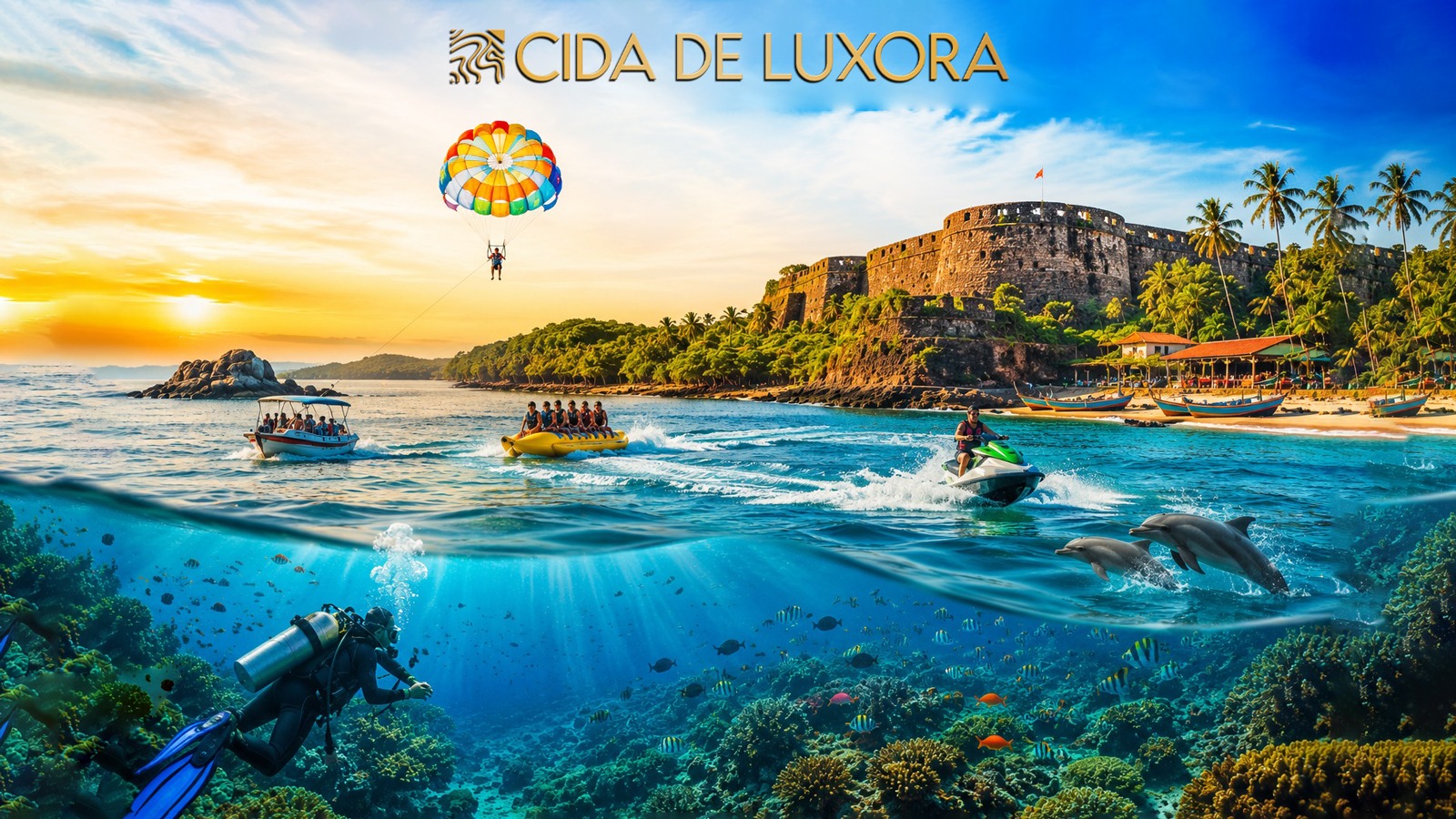
- Parasailing
- Jet skiing
- Kayaking
- Banana boat rides
- Speed boating
- Dolphin watching
- Snorkeling
Destinations such as Tsunami Island have emerged as major adventure tourism hotspots, drawing thousands of visitors annually.
The continued expansion of adventure tourism infrastructure is expected to strengthen the appeal of Marine Tourism in Sindhudurg among domestic and international travelers.
Marine Biodiversity: The Foundation of Sustainable Tourism
Long-term success in marine tourism depends on environmental sustainability.
Fortunately, one of the greatest strengths of Marine Tourism in Sindhudurg lies in its ecological wealth.
The region supports:
- Coral reef ecosystems
- Mangrove forests
- Marine flora
- Marine fauna
- Coastal breeding habitats
These ecosystems play a critical role in maintaining biodiversity while enhancing the attractiveness of the destination.
The protection and responsible management of these assets are increasingly recognized as essential for sustaining tourism growth over the coming decades.
Malvan Marine Sanctuary: Maharashtra’s Marine Conservation Jewel
A key pillar supporting Marine Tourism in Sindhudurg is the Malvan Marine Sanctuary.
Established in 1987, this sanctuary remains Maharashtra’s only designated marine sanctuary.
According to the Maharashtra Tourism Development Corporation (MTDC), the sanctuary protects:
- Coral reefs
- Pearl oyster populations
- Marine vegetation
- Fish breeding zones
- Sensitive marine ecosystems
The sanctuary demonstrates how conservation and tourism can coexist.
Visitors are increasingly seeking destinations where environmental responsibility forms part of the travel experience.
This trend places Marine Tourism in Sindhudurg in a favorable position as global demand for sustainable tourism continues to rise.

Coastal Infrastructure Driving Marine Tourism in Sindhudurg
Around the world, tourism destinations that experience long-term growth often share one common characteristic: strong infrastructure. In the case of Marine Tourism in Sindhudurg, connectivity improvements are acting as powerful catalysts for economic development, visitor growth, and tourism diversification.
The district is witnessing a transformation driven by airports, highways, maritime initiatives, and government-backed tourism projects. These developments are not only improving accessibility but are also creating a foundation for sustainable tourism-led growth.
Mopa International Airport: Expanding Global Accessibility
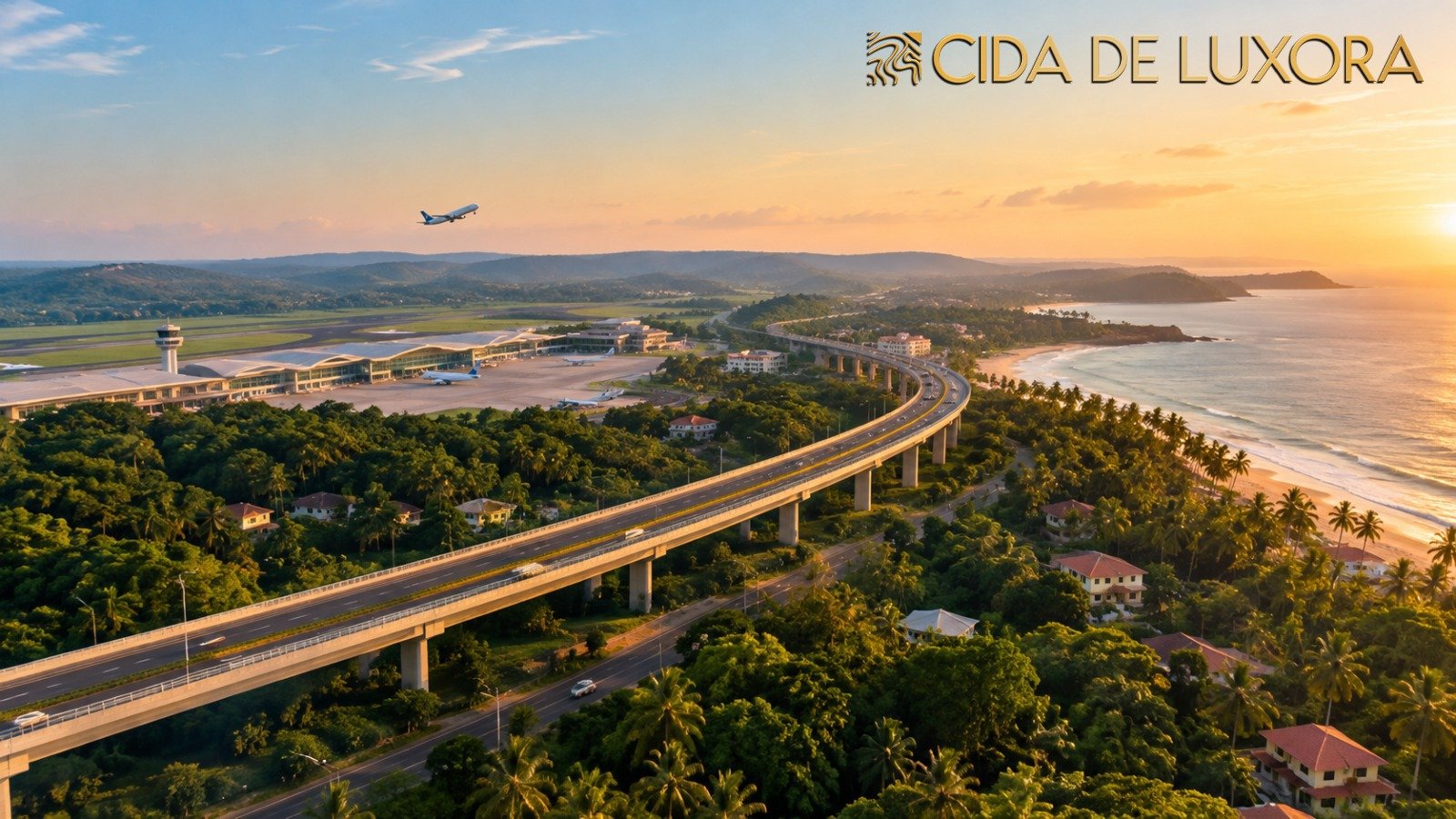
One of the most influential developments impacting Marine Tourism in Sindhudurg is the operationalization of Manohar International Airport.
The airport has significantly enhanced access to the broader Maha-Goa region by connecting domestic and international travelers to North Goa and nearby coastal destinations.
The impact extends beyond tourism:
- Increased visitor arrivals
- Improved accessibility for NRIs
- Enhanced hospitality demand
- Greater visibility among international travelers
- Growth in experiential tourism
For coastal destinations, improved air connectivity often becomes a turning point in attracting higher-spending travelers and expanding tourism seasons beyond traditional holiday periods.
Highway Connectivity and Regional Mobility
Road infrastructure remains equally important to the future of Marine Tourism in Sindhudurg.
The ongoing modernization of the Mumbai-Goa Highway has strengthened connectivity across the Konkan region, reducing travel times and improving visitor convenience.
Enhanced highway infrastructure supports:
- Weekend tourism
- Road-trip tourism
- Hospitality growth
- Coastal exploration circuits
- Local business development
Tourism experts often identify transportation accessibility as one of the strongest determinants of destination competitiveness, and Sindhudurg continues to benefit from these improvements.
Maritime Connectivity and Coastal Transport
India’s maritime development strategy is increasingly aligned with tourism growth.
Through initiatives supported by the Sagarmala Programme, coastal transportation and port-led development are receiving greater policy attention.
As maritime connectivity expands, Marine Tourism in Sindhudurg stands to benefit through:
- Coastal tourism circuits
- Recreational boating
- Marine excursions
- Cruise tourism opportunities
- Integrated coastal experiences
These developments complement existing tourism assets while expanding the region’s appeal to new visitor segments.
Economic Impact of Marine Tourism in Sindhudurg
The significance of Marine Tourism in Sindhudurg extends far beyond visitor numbers. Tourism acts as a powerful economic multiplier, creating opportunities across multiple sectors.
Employment Generation
Marine tourism supports direct employment through:
- Dive instructors
- Boat operators
- Water sports professionals
- Hospitality staff
- Tour guides
- Conservation specialists
At the same time, indirect employment is created through:
- Transportation services
- Retail businesses
- Fisheries
- Local crafts
- Restaurants
- Tourism support services
According to the World Travel & Tourism Council (WTTC), tourism remains one of the world’s largest employment-generating industries, supporting millions of jobs globally.
The continued expansion of Marine Tourism in Sindhudurg has the potential to strengthen local livelihoods while creating opportunities for entrepreneurship and skill development.
Tourism as a Regional Growth Engine
Tourism frequently drives infrastructure investment that benefits entire communities.
As visitor demand grows, regions often experience:
- Improved roads
- Better public facilities
- Enhanced utilities
- Increased business activity
- Greater private sector participation
In this context, Marine Tourism in Sindhudurg contributes not only to the tourism economy but also to broader regional development objectives.
Hospitality Opportunities Emerging from Marine Tourism
Globally, successful marine tourism destinations often witness the parallel growth of hospitality ecosystems.
The evolution of Marine Tourism in Sindhudurg is creating demand for a diverse range of tourism-oriented services and accommodations.
Boutique Hospitality
Modern travelers increasingly seek personalized experiences rather than standardized hotel stays.
This trend supports:
- Boutique resorts
- Eco-retreats
- Heritage-inspired accommodations
- Coastal wellness destinations
Wellness and Nature Tourism
Wellness tourism continues to expand globally.
Visitors increasingly value:
- Nature immersion
- Digital detox experiences
- Coastal wellness programs
- Yoga retreats
- Sustainable travel
The natural setting supporting Marine Tourism in Sindhudurg aligns closely with these evolving preferences.
Experience-Led Tourism Businesses
Marine tourism also creates opportunities for specialized service providers.
Potential sectors include:
- Scuba diving centers
- Marine adventure operators
- Eco-tourism ventures
- Nature guides
- Coastal excursion providers
As tourism diversifies, the supporting ecosystem often becomes an important contributor to local economic resilience.
Maritime Heritage: An Often Overlooked Strength
While beaches and water sports frequently dominate tourism conversations, maritime heritage remains one of the most distinctive aspects of Marine Tourism in Sindhudurg.
Sindhudurg Fort: A Maritime Legacy
Among the region’s most iconic landmarks is Sindhudurg Fort.
Built under the leadership of Chhatrapati Shivaji Maharaj in the 17th century, the fort represents one of India’s most significant examples of maritime defense architecture.
The fort contributes to:
- Heritage tourism
- Educational tourism
- Cultural tourism
- Maritime history experiences
This combination of heritage and marine experiences strengthens the overall appeal of Marine Tourism in Sindhudurg by offering visitors a richer and more diverse travel experience.
Cultural and Culinary Experiences
Marine tourism today extends beyond coastal landscapes.
Visitors increasingly seek:
- Local cuisine
- Cultural immersion
- Traditional crafts
- Community experiences
Sindhudurg’s renowned Malvani cuisine, coastal traditions, and fishing communities contribute additional layers of authenticity to the tourism ecosystem.
Sustainability: The Future of Marine Tourism in Sindhudurg
Long-term success in tourism increasingly depends on sustainability.
Globally, travelers, governments, and businesses are recognizing that environmental conservation and tourism growth must work together.
The future of Marine Tourism in Sindhudurg is closely linked to the protection of:
- Coral ecosystems
- Mangrove forests
- Marine biodiversity
- Coastal habitats
Blue Economy Principles
India’s Blue Economy vision emphasizes the sustainable use of ocean resources for economic growth while preserving ecological balance.
According to the NITI Aayog, the Blue Economy encompasses sectors such as:
- Coastal tourism
- Marine transportation
- Fisheries
- Ocean-based industries
- Marine conservation
The continued development of Marine Tourism in Sindhudurg aligns strongly with these national priorities.
Artificial Reef Development
The INS Guldar underwater museum project offers a notable example of how tourism and conservation can work together.
Artificial reefs often support:
- Coral growth
- Marine biodiversity
- Fish populations
- Dive tourism
As environmental awareness increases, such initiatives are likely to become increasingly important components of sustainable tourism strategies.
Government Initiatives Supporting Marine Tourism in Sindhudurg
Several public-sector initiatives are contributing to the growth of Marine Tourism in Sindhudurg.
These include:
Tourism Promotion Programs
Supported by:
Maritime Development Programs
Supported by:
Investment Promotion
Supported by:
Together, these initiatives demonstrate growing institutional support for coastal tourism, infrastructure development, and regional economic growth.
What Could Marine Tourism in Sindhudurg Look Like by 2035?
Several trends suggest a positive long-term outlook.
Growth Drivers
- Increasing domestic tourism
- Rising international arrivals
- Airport-driven accessibility
- Experience-based travel demand
- Sustainable tourism preferences
- Blue Economy initiatives
- Coastal infrastructure investments
Emerging Opportunities
Future opportunities may include:
- Marine research tourism
- Eco-luxury hospitality
- Diving tourism expansion
- Coastal wellness destinations
- Maritime heritage circuits
- Sustainable tourism enterprises
As these trends evolve, Marine Tourism in Sindhudurg is likely to play an increasingly important role in shaping the region’s economic future.
FAQs
1. What makes Marine Tourism in Sindhudurg unique compared to other coastal destinations in India?
Marine Tourism in Sindhudurg stands out due to its combination of pristine beaches, coral ecosystems, scuba diving sites, maritime heritage, Maharashtra’s only marine sanctuary, and India’s first underwater warship museum project. The district offers a rare blend of adventure tourism, eco-tourism, and cultural experiences within a relatively untouched coastal environment. For official tourism information, visit the Maharashtra Tourism Development Corporation (MTDC).
2. Why is Marine Tourism in Sindhudurg important for the Blue Economy of India?
Marine Tourism in Sindhudurg supports India’s Blue Economy vision by promoting sustainable use of marine resources while generating employment, encouraging infrastructure development, supporting coastal communities, and enhancing environmental conservation. The Blue Economy framework is a key focus area for the NITI Aayog and the Ministry of Ports, Shipping and Waterways.
3. What are the top attractions driving Marine Tourism in Sindhudurg?
The major attractions supporting Marine Tourism in Sindhudurg include:
- Tarkarli Beach
- Malvan Marine Sanctuary
- Devbagh Beach
- Tsunami Island
- Sindhudurg Fort
- Vengurla coastline
- Nivati Beach
- INS Guldar Underwater Museum Project
Travelers can explore more through the Ministry of Tourism, Government of India.
4. How is the INS Guldar Underwater Museum influencing Marine Tourism in Sindhudurg?
The INS Guldar project is expected to become a landmark attraction for Marine Tourism in Sindhudurg. As India’s first underwater warship museum, it combines marine conservation, scuba diving experiences, artificial reef development, and heritage tourism. The initiative is expected to increase international visibility and strengthen the district’s position as a marine adventure tourism destination. Updates can be found through the Maharashtra Tourism Development Corporation (MTDC).
5. What adventure activities are available through Marine Tourism in Sindhudurg?
Visitors exploring Marine Tourism in Sindhudurg can enjoy:
- Scuba diving
- Snorkeling
- Parasailing
- Jet skiing
- Kayaking
- Banana boat rides
- Dolphin watching
- Speed boating
These activities have contributed significantly to the growth of adventure tourism along Maharashtra’s Konkan coast.
6. How is infrastructure development supporting Marine Tourism in Sindhudurg?
The growth of Marine Tourism in Sindhudurg is supported by major infrastructure projects including:
- Mopa International Airport
- Mumbai-Goa Highway expansion
- Coastal road connectivity
- Maritime transport initiatives
- Sagarmala coastal development programs
These projects improve accessibility and support long-term tourism growth. Learn more through the Sagarmala Programme and Invest India Tourism Reports.
7. Is Marine Tourism in Sindhudurg environmentally sustainable?
Sustainability is becoming a core focus of Marine Tourism in Sindhudurg. The district’s marine sanctuary, coral ecosystems, mangrove forests, and conservation initiatives help protect biodiversity while supporting responsible tourism. Projects such as artificial reef development and eco-tourism programs demonstrate how tourism and environmental stewardship can work together for long-term coastal resilience.
8. What is the future outlook for Marine Tourism in Sindhudurg?
The future of Marine Tourism in Sindhudurg appears promising due to increasing domestic tourism, enhanced connectivity, government-backed tourism initiatives, Blue Economy policies, sustainable tourism trends, and expanding hospitality infrastructure. As India continues investing in coastal development, Sindhudurg is expected to strengthen its position as one of the country’s leading marine tourism destinations. Industry insights can be explored through the World Travel & Tourism Council (WTTC) and UN Tourism (UNWTO).
Key Takeaways
The story of Marine Tourism in Sindhudurg is ultimately a story of convergence.
It brings together:
- Natural ecosystems
- Marine biodiversity
- Cultural heritage
- Tourism innovation
- Infrastructure development
- Environmental sustainability
- Economic opportunity
The district’s 122-kilometer coastline, marine sanctuary, scuba diving destinations, maritime heritage assets, and emerging underwater tourism projects collectively position Sindhudurg as one of India’s most promising coastal tourism regions.
Importantly, the region’s growth narrative is not defined by a single attraction or infrastructure project. Rather, it is being shaped by a broader ecosystem of tourism, conservation, connectivity, and community development.
As India continues to strengthen its Blue Economy ambitions, Marine Tourism in Sindhudurg is steadily emerging as a compelling example of how coastal destinations can balance growth with sustainability.
From pristine beaches and coral ecosystems to scuba diving experiences, maritime heritage, and India’s first underwater warship museum, the district offers a diverse portfolio of tourism assets that extend far beyond conventional coastal travel.
What makes Marine Tourism in Sindhudurg particularly noteworthy is the convergence of natural capital, government initiatives, infrastructure development, environmental stewardship, and growing visitor demand. Together, these factors are helping shape a destination that contributes not only to tourism but also to regional development, employment generation, conservation, and long-term economic resilience.
For policymakers, business leaders, tourism stakeholders, and long-term observers of India’s coastal growth story, Sindhudurg represents a destination whose greatest value may lie not merely in what it offers today, but in the sustainable future it is steadily building along India’s western shoreline.