How Underwater Tourism, Maritime Infrastructure & Luxury Travel Are Transforming Maha Goa Into India’s Next Investment Frontier
The Indian luxury real estate market is entering a new phase — one that is increasingly driven not just by metropolitan expansion, but by tourism-led infrastructure economies. Across the world, regions that successfully combine aviation growth, marine tourism, experiential travel, and lifestyle migration often evolve into long-term wealth corridors. Today, the emerging “Maha Goa” belt — stretching across North Goa and the coastal districts of Sindhudurg — is beginning to show exactly those characteristics.
At the center of this transformation are major developments including:
- India’s first underwater maritime museum initiative
- Expansion of marine and scuba tourism
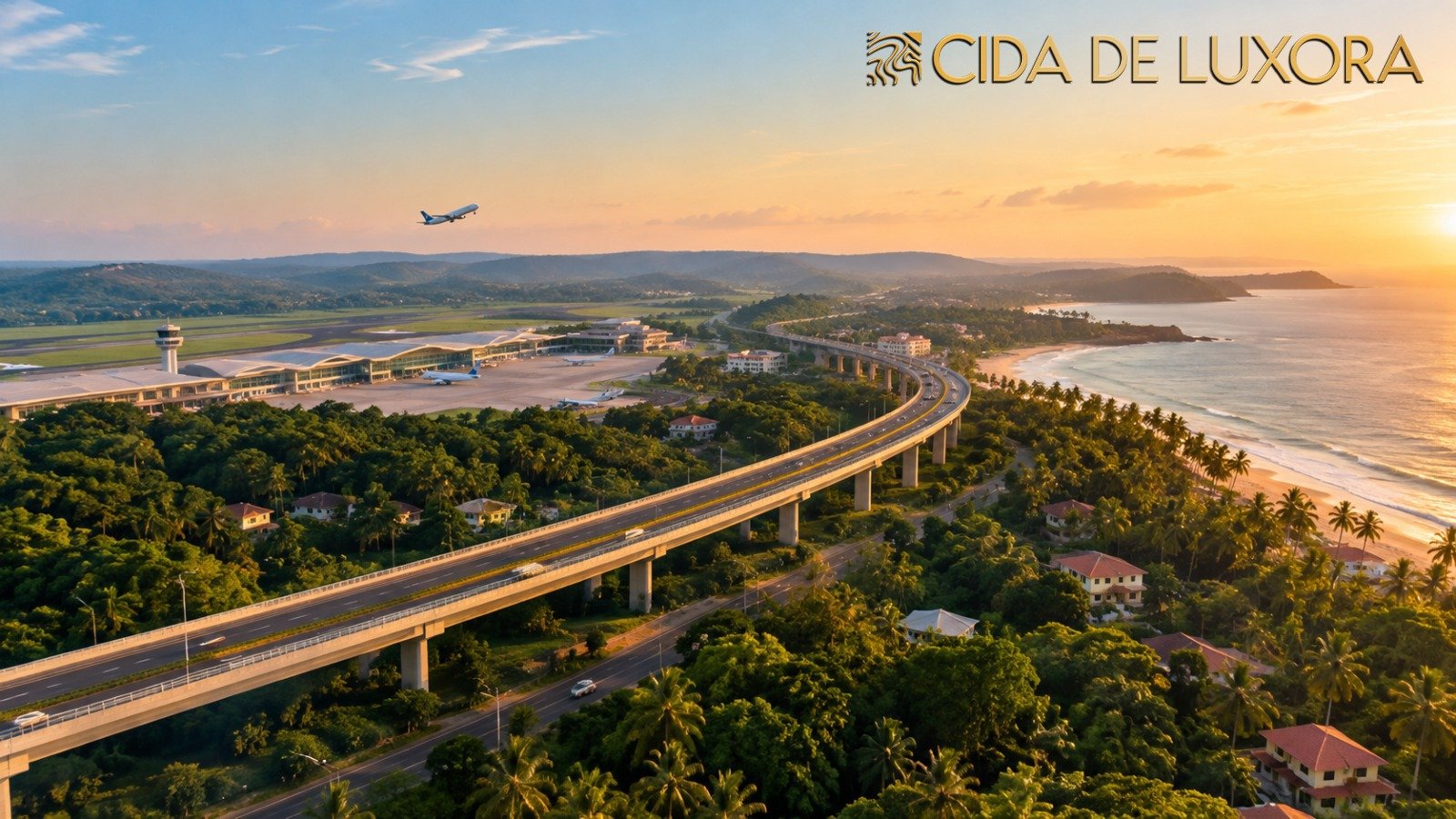
- The operationalization of Manohar International Airport
- Mumbai-Goa connectivity upgrades
- Ro-Ro maritime transportation proposals
- Growth in luxury hospitality and second-home demand
For HNIs, NRIs, legacy investors, bureaucrats, and long-horizon land investors, the rise of Maha Goa luxury real estate investment opportunities is increasingly being viewed not as a short-term tourism trend, but as the early stages of a structural coastal economic transformation.
According to regional investment research by Cida De Luxora, property prices in the region have already seen strong movement following the launch of Mopa Airport, while tourism-driven rental demand continues to accelerate.
This blog explores the economic logic behind that growth.
Understanding the Rise of Maha Goa: Why Sindhudurg Is Entering a New Economic Cycle
For decades, Goa dominated India’s coastal tourism narrative. However, rising land prices, saturation, congestion, and limited premium inventory have pushed investors to explore emerging spillover regions. This is where the concept of Maha Goa luxury real estate investment becomes increasingly relevant.
The Maharashtra-Goa border belt, especially Sawantwadi, Vengurla, Malvan, and Sindhudurg, is strategically positioned to benefit from:
- Goa’s tourism overflow
- Airport-led expansion
- Infrastructure-driven appreciation
- Luxury second-home migration
- Adventure tourism growth
Unlike fully saturated tourism economies, emerging corridors typically offer:
- lower land entry prices
- larger parcel availability
- higher future appreciation potential
- stronger long-term tourism upside
According to the official Maharashtra Tourism Development Corporation (MTDC), the Konkan coastal belt remains one of Maharashtra’s highest-priority tourism development zones.
The region is now attracting attention because it combines:
- coastal accessibility
- eco-tourism potential
- marine tourism
- highway connectivity
- airport accessibility
- luxury hospitality expansion
Internal research from CDL also highlights increasing investor attention toward:
- plotted developments
- gated villa communities
- Airbnb-driven second homes
- wellness-oriented living ecosystems
The emergence of Maha Goa luxury real estate investment opportunities is therefore not occurring in isolation. It is part of a broader tourism and infrastructure expansion cycle already visible across several global coastal markets.

India’s First Underwater Maritime Museum: The INS Guldar Tourism Initiative
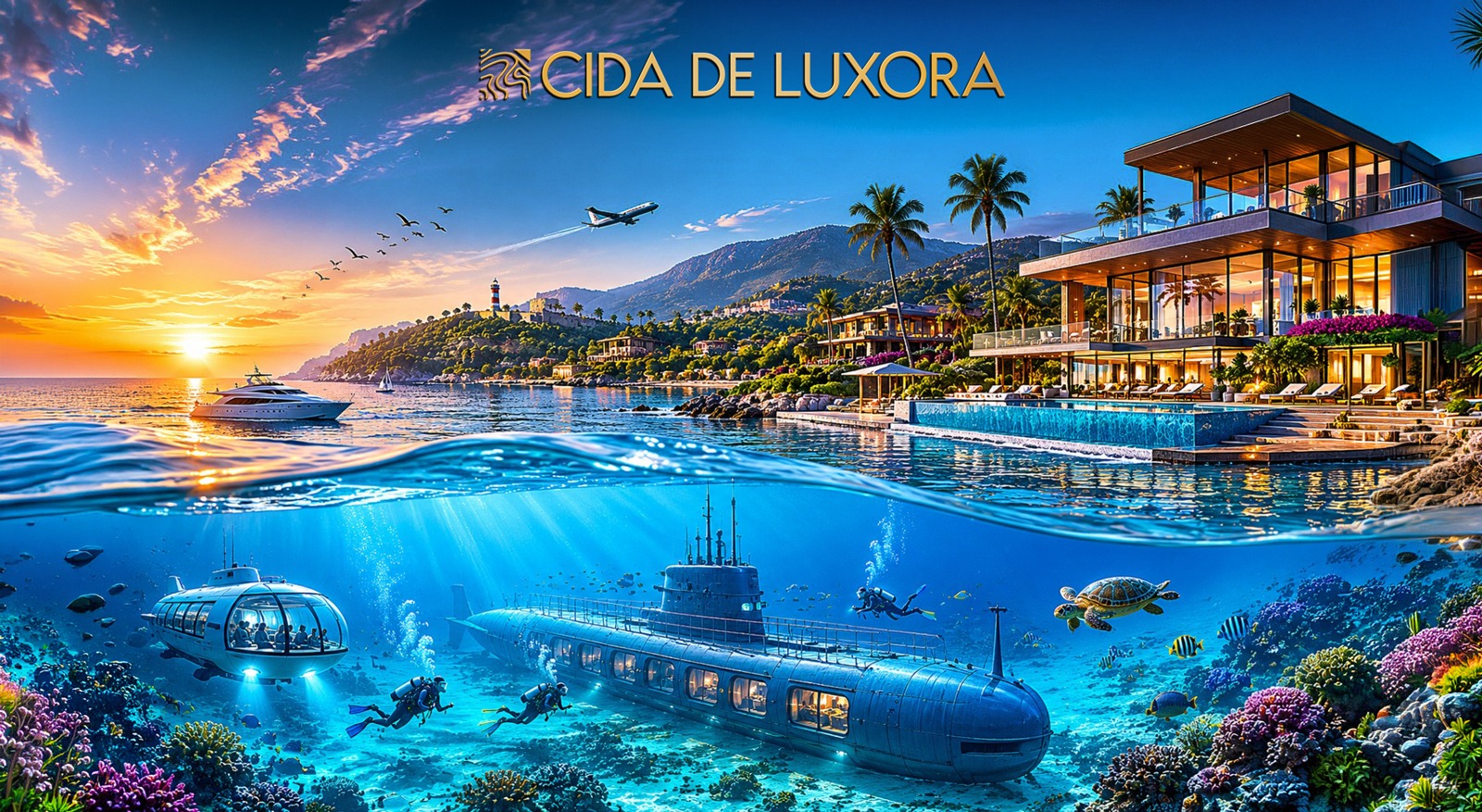
One of the most transformative projects proposed in the region is the development of India’s first underwater maritime museum through the sinking of the decommissioned naval vessel INS Guldar.
INS Guldar Underwater Maritime Museum Project
According to multiple tourism and maritime reports, the ship is expected to become:
- an underwater museum
- an artificial reef ecosystem
- a scuba-diving attraction
- a marine tourism landmark
Government tourism agencies and maritime authorities have explored the project as part of India’s broader push toward experiential tourism and blue-economy development.
The official Ministry of Tourism, Government of India has consistently emphasized experiential and adventure tourism as a major growth category for the next decade.
Globally, underwater museums in destinations like:
- Cancun
- Dubai
- Malta
- Red Sea regions
have successfully transformed local tourism economies by attracting: - luxury travelers
- divers
- photographers
- eco-tourists
- high-spending international visitors
The Sindhudurg coastline already possesses strong marine tourism foundations through:
- Tarkarli
- Devbag
- Malvan
- Vengurla
This makes the underwater museum initiative commercially significant because it builds upon an existing tourism ecosystem rather than creating one from scratch.
The CDL investor deck also identifies the underwater museum as a major catalyst for regional visibility and tourism-led appreciation.
From an investment perspective, underwater tourism creates multiplier effects across:
- hospitality
- luxury rentals
- boutique resorts
- villa demand
- eco-tourism businesses
- premium land values
This is one of the key reasons why Maha Goa luxury real estate investment conversations are increasingly becoming tied to maritime tourism economics rather than traditional residential demand alone.
The Expansion of Maritime Tourism in Sindhudurg
Marine tourism in Sindhudurg is no longer a niche segment.
Over the last few years, the region has steadily evolved into one of India’s fastest-growing adventure tourism destinations.
The official Maharashtra Tourism Portal already promotes Tarkarli and nearby coastal zones for:
- scuba diving
- snorkeling
- parasailing
- coral viewing
- dolphin tourism
- island excursions
The coastline’s clean waters and relatively lower commercialization provide a competitive advantage compared to overcrowded coastal circuits.
According to CDL research:
- Tarkarli and Malvan are already recognized as world-class diving hubs
- tourism inflows are expected to increase significantly by 2030
This matters because marine tourism attracts a different economic category of traveler:
- longer-stay visitors
- higher spending tourists
- wellness travelers
- experiential luxury consumers
Globally, such travelers drive demand for:
- private villas
- curated stays
- boutique luxury hospitality
- low-density coastal communities
This directly supports the long-term economics of Maha Goa luxury real estate investment.
The rise of experiential travel is especially important in the post-pandemic economy where affluent travelers increasingly prioritize:
- privacy
- wellness
- low-density environments
- nature-driven experiences
- hybrid work destinations
As India’s tourism market matures, coastal regions capable of offering these experiences are expected to outperform conventional leisure destinations.
Mopa Airport and the Infrastructure Boom Fueling Maha Goa’s Growth
No infrastructure project has had a bigger psychological and economic impact on the region than Manohar International Airport.
The airport has fundamentally altered how investors evaluate the Maharashtra-Goa coastal belt.
The official GMR Goa International Airport highlights Mopa’s role as a next-generation aviation hub expected to support:
- tourism expansion
- hospitality growth
- international arrivals
- commercial development
Historically, airport-led regions often experience:
- faster land appreciation
- hospitality expansion
- migration of affluent buyers
- luxury tourism growth
Examples include:
- North Goa
- Alibaug
- Phuket
- Bali
- Dubai Marina corridors
The same pattern is increasingly visible in the Maha Goa belt.
According to CDL’s regional analysis:
- Property prices have risen sharply after Mopa Airport operations began
- Tourism demand is accelerating
- Second-home inquiries have increased significantly
Beyond aviation, several infrastructure projects are reshaping the region.
Mumbai-Goa Highway Expansion
Mumbai-Goa Highway
The upgraded highway network is reducing travel times while increasing weekend accessibility for:
- Mumbai travelers
- Pune investors
- Goa visitors
- road-trip tourism
The official National Highways Authority of India continues to highlight the strategic importance of the Mumbai-Goa corridor.
Improved connectivity directly impacts:
- villa occupancy
- second-home usability
- tourism inflow
- logistics
- commercial viability
Ro-Ro Ferry Connectivity
The proposed Mumbai–Sindhudurg Ro-Ro ferry system could further transform tourism movement patterns.
According to maritime infrastructure reports covered by The Hindu BusinessLine and The Indian Express, coastal ferry systems are increasingly viewed as major tourism multipliers.
Weekend coastal tourism typically drives:
- premium villa demand
- hospitality occupancy
- luxury short-term rentals
This broader infrastructure ecosystem is one of the strongest foundations behind rising Maha Goa luxury real estate investment interest.
Why Tourism Infrastructure Directly Impacts Luxury Real Estate Appreciation
Tourism infrastructure has historically been one of the most powerful triggers for long-term real estate appreciation.
When regions experience:
- airport expansion
- tourism branding
- highway connectivity
- luxury hospitality entry
- experiential tourism growth
property values tend to rise structurally over time.
The reason is simple.
Tourism creates:
- visibility
- demand
- liquidity
- investor confidence
- economic circulation
Knight Frank’s India Real Estate Reports and multiple hospitality industry analyses consistently show that lifestyle destinations with strong tourism ecosystems often outperform conventional suburban housing markets over longer investment cycles.
This is particularly true for:
- coastal villa markets
- second-home economies
- plotted luxury communities
The rise of Maha Goa luxury real estate investment opportunities follows this same global pattern.
For example:
- Bali transformed through tourism-led hospitality growth
- Phuket evolved through aviation and marine tourism
- Dubai’s coastal districts accelerated through experiential infrastructure
In India:
- Goa
- Alibaug
- Lonavala
demonstrated similar cycles.
Sindhudurg now appears positioned at the beginning of that trajectory.
The Rise of the Luxury Second-Home Economy in Maha Goa
India’s luxury housing market is undergoing a behavioral transformation.
Affluent buyers increasingly seek:
- emotional assets
- wellness-driven homes
- legacy properties
- low-density living
- flexible work destinations
The pandemic accelerated:
- hybrid work
- remote entrepreneurship
- workcation culture
- long-stay travel
As a result, coastal second homes are no longer viewed purely as leisure purchases. They are increasingly becoming:
- lifestyle investments
- income-generating assets
- family legacy holdings
According to CDL research:
- workcation demand is growing rapidly
- Airbnb rental demand is strengthening
- long-stay tourism is increasing across the region
The official Airbnb Newsroom India has repeatedly highlighted rising demand for unique stays, coastal retreats, and experiential travel accommodations.
This trend directly strengthens the economics of Maha Goa luxury real estate investment because:
- luxury villas can generate rental income
- land supply remains limited
- coastal demand is rising
- tourism seasonality is improving
Increasingly, investors are prioritizing:
- plotted villa developments
- eco-luxury communities
- gated second-home ecosystems
over dense apartment-led developments.
Sindhudurg vs Goa: The Shift Toward the Next Coastal Growth Market
North Goa’s success has created a new challenge: affordability and saturation.
Premium land values in Goa have surged due to:
- limited inventory
- tourism commercialization
- luxury demand
- hospitality expansion
As a result, investors are increasingly exploring adjacent emerging corridors.
Sindhudurg offers several strategic advantages:
- lower entry prices
- larger land parcels
- lower density
- greener ecosystems
- cleaner coastlines
- proximity to Goa infrastructure
This creates a classic spillover growth model.
Historically, spillover markets often generate strong wealth creation because they absorb demand from saturated premium destinations.
The rise of Maha Goa luxury real estate investment reflects this exact transition.
According to regional development projections:
- tourism movement between Goa and Sindhudurg is expected to rise sharply
- hospitality investments are increasing
- infrastructure integration is improving
CDL’s own analysis projects strong tourism growth by 2030 alongside increasing residential demand.
For long-term investors, early-stage coastal corridors often provide:
- stronger appreciation potential
- lower acquisition costs
- higher upside before institutional saturation
Environmental Sustainability and the Future of Coastal Development
Future coastal wealth creation will depend heavily on sustainability.
The official Ministry of Environment, Forest and Climate Change has increasingly emphasized eco-sensitive coastal development frameworks.
This matters because luxury buyers today increasingly value:
- ecological preservation
- wellness environments
- biodiversity
- sustainable infrastructure
The underwater museum initiative itself is partially designed around:
- artificial reef creation
- marine biodiversity support
- eco-tourism enhancement
Globally, sustainable coastal developments consistently command:
- stronger premium pricing
- better tourism reputation
- higher long-term resilience
This is why eco-sensitive planning is becoming central to Maha Goa luxury real estate investment discussions.
Projects aligned with:
- native landscaping
- low-density planning
- marine conservation
- sustainable tourism
are likely to outperform environmentally aggressive development models over time.
The Economic Future of Maha Goa by 2030
The next decade could redefine the economic identity of Sindhudurg.
Several major trends are converging simultaneously:
- underwater tourism
- marine adventure tourism
- airport-led expansion
- highway connectivity
- luxury hospitality growth
- second-home migration
- experiential travel demand
According to CDL projections:
- tourism in Sawantwadi and Vengurla could increase significantly by 2030
- luxury housing demand is expected to rise sharply
- tourism-linked commercial ecosystems are expanding
Hospitality operators are also increasing their regional presence.
The official IHCL (Indian Hotels Company Limited) has announced luxury hospitality expansion projects in coastal regions connected to the broader Maha Goa growth story.
If current infrastructure momentum continues, Sindhudurg could evolve into:
- a luxury second-home belt
- a marine tourism economy
- a wellness living destination
- a high-yield villa rental market
This is why the conversation around Maha Goa luxury real estate investment is increasingly shifting from speculative tourism optimism toward long-term structural growth analysis.
Why the Current Phase May Be the Most Important Window for Long-Term Investors
Most wealth creation in real estate occurs before a market reaches mainstream saturation.
Historically:
- Goa
- Alibaug
- Gurgaon
- Dubai Marina
all experienced their strongest appreciation during early infrastructure cycles.
Today, Sindhudurg appears to be entering a comparable phase.
The combination of:
- underwater tourism visibility
- marine economy expansion
- airport connectivity
- luxury hospitality
- tourism spillover from Goa
- second-home migration
creates conditions often associated with early-cycle growth markets.
For investors evaluating Maha Goa luxury real estate investment, timing becomes critical because:
- land scarcity increases over time
- tourism visibility compounds gradually
- infrastructure-driven appreciation accelerates in phases
The biggest gains often occur before:
- institutional capital dominance
- mass commercialization
- pricing normalization
FAQ
1. Why is Maha Goa luxury real estate investment gaining attention among HNIs and NRIs?
The rise of Maha Goa luxury real estate investment is being driven by a combination of tourism growth, infrastructure expansion, airport connectivity, and increasing demand for second homes. The operationalization of Manohar International Airport has significantly improved accessibility to Sindhudurg and nearby coastal regions, attracting investors seeking long-term appreciation opportunities beyond saturated North Goa markets.
According to the official Ministry of Tourism, Government of India, experiential tourism, coastal tourism, and eco-tourism are expected to play a major role in India’s tourism economy over the next decade.
2. What is the INS Guldar underwater museum project in Sindhudurg?
The INS Guldar Underwater Maritime Museum Project is a proposed maritime tourism initiative aimed at converting a decommissioned Indian Navy vessel into India’s first underwater museum and artificial reef attraction near the Sindhudurg coastline.
The project is expected to:
- boost scuba tourism
- attract international adventure travelers
- support marine biodiversity
- enhance Sindhudurg’s global tourism visibility
The official Maharashtra Tourism Development Corporation (MTDC) continues to promote coastal and maritime tourism initiatives across the Konkan region.
3. How can underwater tourism impact Maha Goa luxury real estate investment?
Underwater tourism typically attracts high-spending travelers, luxury tourists, and experiential travelers who prefer:
- boutique stays
- premium villas
- eco-luxury resorts
- wellness retreats
Globally, underwater attractions in destinations such as Dubai, Cancun, and the Maldives have accelerated hospitality growth and coastal property appreciation. Similar tourism infrastructure in Sindhudurg could positively influence Maha Goa luxury real estate investment through increased tourism demand and stronger rental economics.
For tourism development updates, investors can monitor the official Incredible India Tourism Portal.
4. How is Mopa Airport influencing luxury real estate growth in Sindhudurg?
Manohar International Airport has significantly reduced travel friction for tourists, NRIs, and second-home buyers visiting the Maharashtra-Goa coastal belt.
Airport-led development historically leads to:
- hospitality expansion
- tourism growth
- higher land absorption
- stronger second-home demand
The official GMR Goa International Airport outlines the airport’s long-term vision for tourism and commercial expansion across the region.
This connectivity is one of the primary reasons investors are increasingly evaluating Maha Goa luxury real estate investment opportunities.
5. Why are investors comparing Sindhudurg to early-stage Goa?
Many investors believe Sindhudurg resembles Goa before large-scale commercialization and price escalation.
Key reasons include:
- lower land acquisition costs
- cleaner coastal ecosystems
- lower density development
- proximity to Goa
- growing tourism infrastructure
Historically, spillover markets near premium destinations often experience strong appreciation cycles. This is why Maha Goa luxury real estate investment is increasingly being discussed alongside Goa’s earlier growth trajectory.
The official Knight Frank India Research Reports provide insights into how infrastructure and tourism impact regional real estate growth.
6. Is Sindhudurg becoming a major tourism destination in India?
Yes. Sindhudurg is emerging as a fast-growing tourism district due to:
- scuba diving tourism
- coastal adventure tourism
- beach tourism
- maritime initiatives
- highway and airport connectivity
Locations like Tarkarli, Malvan, Devbag, and Vengurla are already established tourism destinations within Maharashtra’s coastal tourism ecosystem.
The official Maharashtra Tourism Tarkarli Guide highlights the region’s marine tourism potential.
This tourism expansion is strengthening long-term prospects for Maha Goa luxury real estate investment.
7. What role does infrastructure play in Maha Goa luxury real estate investment?
Infrastructure is one of the strongest long-term drivers of land appreciation.
The Maha Goa region is currently benefiting from:
- Mopa Airport
- Mumbai-Goa highway upgrades
- proposed Ro-Ro ferry systems
- hospitality expansion
- tourism infrastructure growth
According to the official National Highways Authority of India (NHAI), the Mumbai-Goa corridor remains a major strategic connectivity project.
Infrastructure-led growth improves:
- accessibility
- tourism inflow
- investor confidence
- commercial activity
- rental demand
All of these factors contribute to stronger Maha Goa luxury real estate investment potential over time.
8. Why are second homes and luxury villas becoming popular in Maha Goa?
Post-pandemic lifestyle shifts have increased demand for:
- wellness living
- remote work destinations
- low-density environments
- private villas
- coastal second homes
Affluent buyers increasingly prefer experiential lifestyle assets over traditional urban apartments.
The official Airbnb Newsroom India has highlighted growing demand for long-stay and experiential accommodations across India’s coastal destinations.
This trend directly supports the rise of Maha Goa luxury real estate investment focused on plotted villa communities and boutique hospitality ecosystems.
9. Is Maha Goa suitable for long-term land banking and wealth preservation?
Many long-horizon investors view coastal land as a strategic legacy asset because:
- supply remains limited
- tourism demand tends to compound over time
- infrastructure appreciation is gradual but powerful
- premium coastal inventory becomes scarcer
Emerging tourism corridors often create opportunities before institutional capital fully enters the market.
As tourism infrastructure expands, Maha Goa luxury real estate investment may increasingly appeal to:
- family offices
- NRIs
- legacy investors
- hospitality entrepreneurs
- luxury second-home buyers
For macroeconomic tourism insights, investors can review reports published by Invest India.
10. What could the future of Maha Goa luxury real estate investment look like by 2030?
By 2030, the Maha Goa corridor could evolve into:
- a premium second-home destination
- a luxury villa investment market
- a marine tourism economy
- a wellness and experiential living hub
Several factors are converging simultaneously:
- underwater tourism initiatives
- airport-driven growth
- tourism spillover from Goa
- luxury hospitality expansion
- infrastructure upgrades
- increasing coastal migration trends
If these developments continue at their current pace, Maha Goa luxury real estate investment could emerge as one of India’s most closely watched coastal growth corridors over the next decade.
The Transformation of Sindhudurg From Coastal Destination to Luxury Investment Economy
The rise of the Maha Goa corridor represents far more than a tourism story.
It reflects the emergence of a new coastal economic ecosystem shaped by:
- underwater tourism
- maritime infrastructure
- airport expansion
- luxury hospitality
- second-home migration
- experiential travel demand
India’s first underwater maritime museum initiative, combined with the operational impact of Mopa Airport and large-scale infrastructure upgrades, is fundamentally reshaping how investors perceive Sindhudurg.
The region is no longer viewed merely as a scenic extension of Goa.
It is increasingly being recognized as a long-term luxury investment geography.
As tourism, infrastructure, and lifestyle migration converge, the future of Maha Goa luxury real estate investment may ultimately mirror the transformation patterns seen in some of the world’s most successful coastal wealth corridors.
For long-horizon investors, the most important observation may be this:
Infrastructure changes destinations temporarily.
Tourism changes economies permanently.