Vengurla Beach: The Clean, Quiet Konkan Coastline India Is Beginning to Notice
For decades, conversations about India’s western coastline have largely revolved around Goa, Alibaug, and a handful of established beach destinations. Yet beyond the spotlight of mainstream tourism lies a stretch of coastline that has quietly preserved something increasingly rare in modern travel—authenticity.
Nestled along Maharashtra’s southern Konkan coast, Vengurla Beach is emerging as one of the most intriguing coastal destinations in the country. Known for its clean shoreline, relatively low tourist density, rich biodiversity, and strategic location near the Maharashtra-Goa border, Vengurla Beach represents a different side of coastal India—one where nature, culture, and development continue to coexist in balance.
As infrastructure expands across the Konkan region and travelers increasingly seek quieter alternatives to overcrowded destinations, Vengurla Beach is gradually attracting attention from tourists, environmentalists, policymakers, hospitality stakeholders, and long-term investors alike.
This growing interest is not driven by hype. Instead, it stems from a combination of factors that are becoming increasingly important in modern destination development: environmental quality, accessibility, sustainability, and long-term economic relevance.
Understanding the Importance of Vengurla Beach on the Konkan Coast
Located in Sindhudurg district of Maharashtra, Vengurla Beach sits along one of India’s most scenic coastal corridors. The region forms part of the larger Konkan coastline, a geographical stretch renowned for its dramatic landscapes, fishing villages, coconut groves, laterite cliffs, and marine ecosystems.
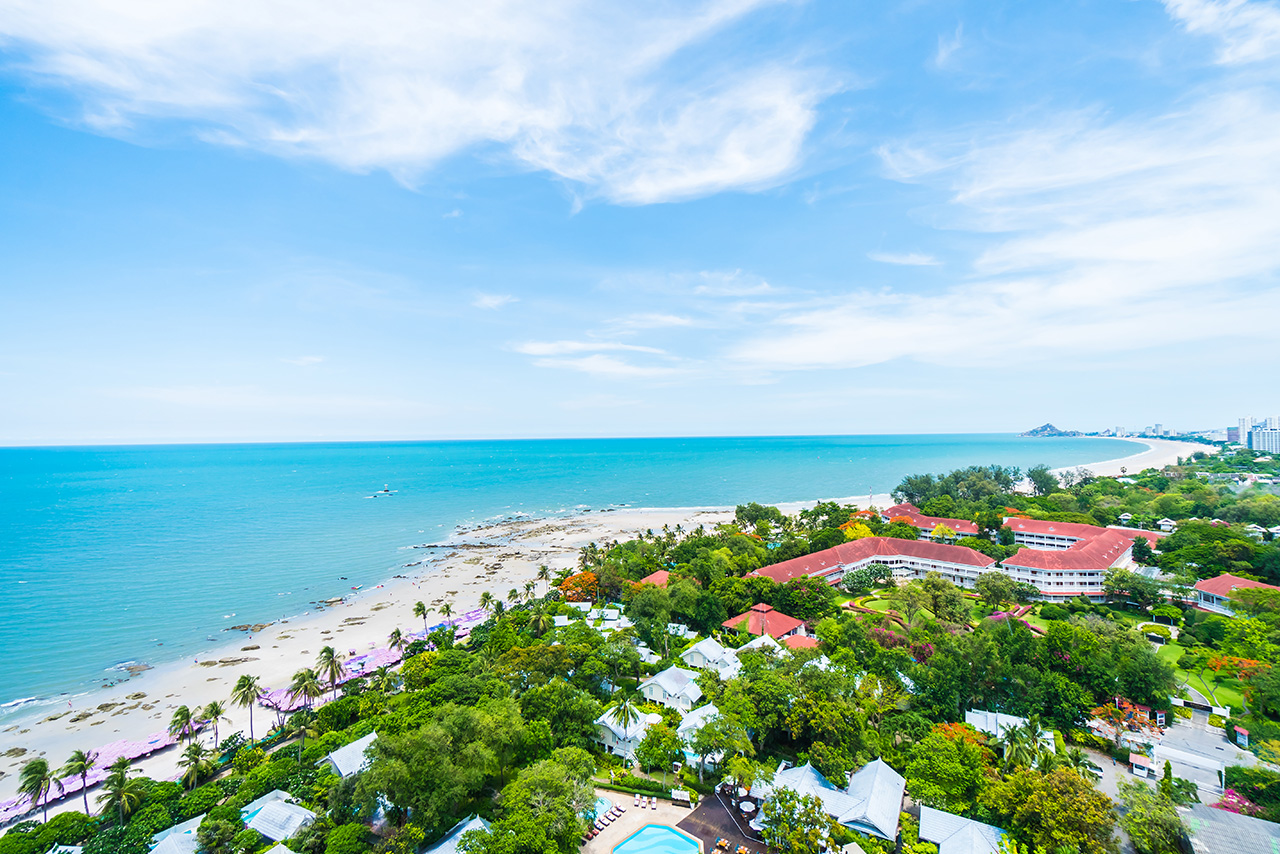
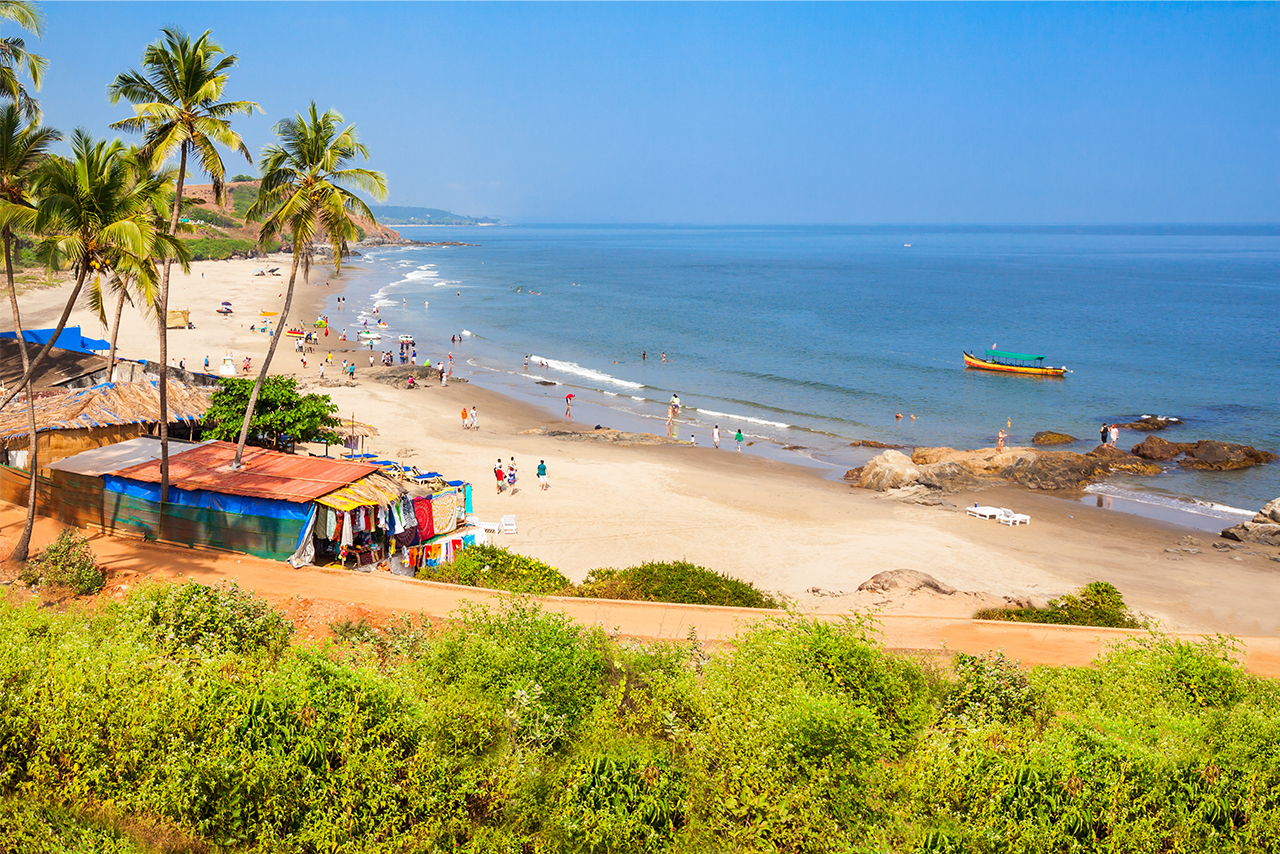
According to the Maharashtra Tourism Department, Sindhudurg possesses approximately 120 kilometers of coastline, making it one of the state’s most significant coastal tourism regions. Visitors to Vengurla Beach often encounter expansive stretches of white sand, clear waters, and a sense of tranquility that has become increasingly difficult to find in more commercialized destinations.
Official tourism information from the Maharashtra Tourism Department highlights Vengurla Beach as one of the region’s most picturesque and environmentally appealing coastal locations.
What makes Vengurla Beach particularly noteworthy is not merely its beauty but its position within a broader transformation taking place across India’s coastal tourism sector.
Travel preferences are changing.
Increasingly, travelers are prioritizing experiences over crowds, nature over nightlife, and authenticity over commercialization. This shift has created opportunities for destinations like Vengurla Beach to emerge as meaningful alternatives within India’s tourism landscape.
A Coastal Town with a Rich Maritime Legacy
Long before tourism became a major economic driver, Vengurla played an important role in maritime trade.
Historical records indicate that the region attracted European traders, including the Dutch, who established trading activities along this stretch of coast during the seventeenth century. The remains of the historic Dutch Factory continue to serve as reminders of Vengurla’s commercial significance during the colonial era.
The town’s maritime importance was further strengthened by its strategic position along western India’s sea routes. The Vengurla Lighthouse, which remains one of the area’s most recognizable landmarks, helped guide ships navigating the Arabian Sea and contributed to the region’s maritime identity.
Today, these historical assets offer more than cultural value. They contribute to the growing appeal of heritage tourism, a segment increasingly sought after by travelers looking for deeper connections with the places they visit.
For policymakers and destination planners, the preservation of such heritage sites provides an opportunity to diversify tourism beyond traditional beach activities and create a more resilient tourism economy.
Why Vengurla Beach Stands Out in Modern Coastal Tourism
One of the most frequently cited characteristics of Vengurla Beach is its cleanliness.
In an era when many coastal destinations struggle with waste management, overcrowding, and environmental degradation, Vengurla Beach continues to benefit from relatively controlled tourism activity.
The result is a coastal environment that feels markedly different from many of India’s high-density tourism zones.
Visitors often describe the beach as:
- Peaceful
- Clean
- Uncrowded
- Naturally preserved
- Family-friendly
These characteristics align closely with broader global tourism trends.
According to the United Nations World Tourism Organization, sustainable and nature-based tourism continues to experience strong growth as travelers seek destinations that offer environmental quality and meaningful experiences.
For destinations like Vengurla Beach, this shift represents a significant opportunity.
Clean beaches are no longer merely aesthetic advantages. They increasingly influence traveler decisions, destination reputation, and long-term tourism competitiveness.
The Environmental Significance of Vengurla Beach
Perhaps the most valuable asset associated with Vengurla Beach is its ecological richness.
The wider Sindhudurg coastline contains a variety of ecosystems that support marine biodiversity and coastal resilience. These include:
- Coral formations
- Rocky marine habitats
- Mangrove ecosystems
- Coastal vegetation
- Offshore island systems
Among the region’s most fascinating natural features are the Vengurla Rocks, a group of offshore islands and rocky formations located in the Arabian Sea.
These formations provide habitat for marine species, seabirds, and coastal wildlife while contributing to the ecological diversity of the region.
Environmental assets such as these are becoming increasingly important in tourism planning.
The Ministry of Environment, Forest and Climate Change has repeatedly emphasized the importance of balancing tourism growth with coastal conservation, particularly in environmentally sensitive regions.
For Vengurla Beach, this balance will likely determine the quality and sustainability of future development.
Unlike destinations that pursue rapid expansion without environmental safeguards, regions that prioritize conservation often achieve stronger long-term tourism outcomes and greater destination resilience.
Tourism Trends Are Favouring Destinations Like Vengurla Beach
The tourism industry has undergone significant changes over the past decade.
Several emerging trends are particularly relevant to Vengurla Beach.
Rise of Experiential Tourism
Modern travelers increasingly seek experiences that allow them to connect with local culture, nature, and heritage.
Rather than simply visiting a destination, they want to understand it.
Vengurla Beach offers access to:
- Traditional fishing communities
- Historic landmarks
- Coastal ecosystems
- Local cuisine
- Cultural festivals
This combination creates opportunities for immersive travel experiences that are difficult to replicate in highly commercialized tourism environments.
Growth of Wellness and Slow Travel
Wellness tourism has become one of the fastest-growing segments of the global travel industry.
According to the Global Wellness Institute, wellness travel continues to expand as individuals seek environments that support physical and mental well-being.
The calm atmosphere surrounding Vengurla Beach naturally aligns with this trend.
The absence of heavy urbanization, combined with clean coastal landscapes, creates conditions that many wellness travelers actively seek.
Remote Work and Lifestyle Mobility
The rise of remote and hybrid work has changed how people interact with destinations.
Many professionals are no longer restricted to living near traditional business centers.
Instead, they are increasingly exploring locations that offer:
- Better quality of life
- Natural surroundings
- Improved work-life balance
- Access to infrastructure
This broader lifestyle shift has contributed to growing interest in coastal regions across India, including the Maharashtra-Goa corridor.
Connectivity Is Transforming the Future of Vengurla Beach
Historically, one of the reasons destinations such as Vengurla Beach remained relatively undiscovered was limited accessibility.
That situation is changing rapidly.
National Highway 66
The Mumbai-Goa Highway, officially known as National Highway 66, has long served as one of western India’s most important transportation corridors.
Ongoing upgrades continue to improve travel efficiency and connectivity throughout the Konkan region.
The National Highways Authority of India provides updates on major infrastructure developments across the country:
Improved road connectivity reduces travel time, supports tourism activity, facilitates business operations, and strengthens regional economic integration.
Konkan Railway
The Konkan Railway remains one of India’s most remarkable transportation achievements.
Connecting Maharashtra, Goa, and Karnataka, the railway significantly improved access to previously isolated coastal regions.
Stations such as Sawantwadi and Kudal provide convenient access to Vengurla Beach and surrounding destinations.
For many travelers, rail connectivity continues to play a critical role in regional tourism growth.
The Impact of Mopa International Airport
Perhaps the most transformative development in recent years has been the opening of Mopa International Airport in North Goa.
Located relatively close to the Maharashtra-Goa border, the airport has substantially improved accessibility to the wider region.
The airport’s development reflects a broader pattern seen globally: transportation infrastructure often acts as a catalyst for tourism expansion and economic activity.
Information about India’s airport infrastructure can be found through the Airports Authority of India:
For destinations like Vengurla Beach, improved air connectivity means greater visibility, easier access for domestic travelers, and enhanced integration with national and international tourism networks.
Government Efforts Supporting Coastal Tourism Growth
Tourism development rarely occurs in isolation.
Successful destinations often benefit from coordinated efforts involving government agencies, local communities, infrastructure providers, and private stakeholders.
The Government of Maharashtra has increasingly promoted coastal tourism as part of its broader tourism strategy.
Initiatives across Sindhudurg district have focused on:
- Tourism infrastructure
- Coastal attractions
- Adventure tourism
- Heritage tourism
- Nature-based tourism
The Ministry of Tourism’s broader vision for destination development emphasizes sustainability, visitor experience, and local economic participation.
These initiatives are particularly important because they help create the supporting ecosystem required for long-term tourism growth.
Infrastructure, accessibility, environmental management, and destination branding all contribute to the attractiveness of locations such as Vengurla Beach.
Local Culture Remains One of Vengurla’s Greatest Strengths
One of the defining features of Vengurla Beach is the authenticity of the surrounding community.
Unlike destinations that have become heavily commercialized, Vengurla continues to retain strong connections to its cultural roots.
Traditional fishing communities remain an important part of local life.
The region is also known for its distinctive Malvani cuisine, which incorporates fresh seafood, coconut, spices, mangoes, and locally grown produce.
Seasonal festivals, community traditions, and regional customs further enrich the visitor experience.
In an increasingly standardized tourism world, cultural authenticity is becoming a valuable differentiator.
For many travelers, experiencing local culture is just as important as visiting the beach itself.
This cultural dimension strengthens the overall appeal of Vengurla Beach and contributes to its growing recognition as a destination that offers more than scenic beauty alone.

The Economic Importance of Emerging Coastal Destinations Like Vengurla Beach
Across the world, coastal destinations have often acted as catalysts for regional economic transformation.
From Portugal’s Algarve region to Australia’s Gold Coast and Thailand’s coastal tourism corridors, investment in sustainable tourism infrastructure has historically generated employment, encouraged entrepreneurship, attracted hospitality investments, and improved regional connectivity.
India is witnessing similar patterns in several emerging coastal markets.
Vengurla Beach sits within a region that possesses many of the characteristics commonly associated with early-stage coastal growth corridors:
- Strong natural assets
- Improving accessibility
- Growing tourism interest
- Rich cultural heritage
- Relatively low-density development
- Expanding infrastructure networks
These factors are important because tourism functions as a multiplier industry.
According to the World Travel & Tourism Council (WTTC), tourism contributes not only through direct visitor spending but also through its effects on transportation, retail, hospitality, food services, local manufacturing, and employment generation.
As visitor numbers increase, economic benefits often extend beyond tourism operators to local businesses, artisans, transport providers, agricultural producers, and service industries.
For regions such as Sindhudurg, this creates opportunities for broader economic diversification while preserving traditional livelihoods.
Understanding the Goa Spillover Effect
One of the most significant trends influencing the Maharashtra-Goa coastal corridor is the gradual expansion of economic activity beyond traditional tourism hotspots.
Historically, Goa has been one of India’s most recognized tourism destinations.
However, as infrastructure improves and travel patterns evolve, surrounding regions are increasingly benefiting from what economists often refer to as “spillover growth.”
Spillover growth occurs when rising demand, infrastructure expansion, and economic activity begin extending into adjacent markets.
Several factors contribute to this process:
- Improved transportation networks
- Increased tourism movement
- Regional business expansion
- Demand for alternative destinations
- Interest in lower-density environments
The Maharashtra-Goa border region, including areas surrounding Vengurla Beach, is becoming increasingly integrated into this broader tourism and economic ecosystem.
Importantly, this does not imply competition between destinations.
Instead, it reflects the development of interconnected regional tourism circuits where travelers explore multiple destinations during a single journey.
The Ministry of Tourism’s destination development initiatives increasingly emphasize such integrated tourism ecosystems.
For policymakers and regional planners, this approach creates opportunities for balanced growth while distributing tourism benefits across multiple communities.
Why Infrastructure Often Signals Long-Term Opportunity
When examining regional development patterns, infrastructure is often one of the earliest indicators of future economic transformation.
Transportation networks influence:
- Accessibility
- Tourism flows
- Business activity
- Investment confidence
- Workforce mobility
Throughout history, major infrastructure projects have frequently reshaped regional economies.
Whether through airports, highways, ports, or rail networks, connectivity often acts as a foundational element of growth.
In the case of Vengurla Beach and the wider Sindhudurg region, several infrastructure developments deserve attention:
Airport Connectivity
The operationalization of Mopa International Airport has strengthened access to North Goa and neighboring coastal regions.
Airport-led growth has been observed globally in tourism markets where reduced travel friction encourages increased visitation and business activity.
Road Infrastructure
Ongoing improvements to National Highway 66 continue enhancing connectivity between Mumbai, Goa, and the Konkan coastline.
Efficient road networks reduce travel times and improve regional accessibility for tourists, businesses, and residents alike.
Railway Connectivity
The Konkan Railway remains one of the most important transportation assets for western India’s coastal economy.
Its role in connecting coastal districts to major urban centers continues to support tourism and economic activity.
Taken together, these infrastructure improvements contribute to a stronger foundation for future regional development.
Why Investors, HNIs, and NRIs Are Watching Coastal Corridors More Closely
Around the world, affluent individuals and long-term investors often monitor emerging coastal regions for several reasons.
The appeal is not necessarily tied to short-term speculation.
Rather, it is frequently linked to structural trends that influence long-term value creation.
These trends include:
Lifestyle Migration
Increasing numbers of professionals are seeking destinations that offer a combination of connectivity, environmental quality, and lifestyle benefits.
Remote work and hybrid employment models have accelerated this shift.
Demand for Nature-Based Living
Post-pandemic travel and lifestyle preferences have increased appreciation for destinations that provide:
- Open spaces
- Clean environments
- Coastal landscapes
- Lower population density
Destinations with growing tourism ecosystems often experience wider economic benefits across multiple sectors.
Limited Coastal Supply
One often-overlooked reality is that premium coastline is finite.
Unlike many other asset classes, coastline cannot be replicated.
As environmental regulations become stricter and conservation priorities increase, the availability of developable coastal land becomes increasingly constrained.
This scarcity factor is one reason coastal regions continue attracting attention from long-term investors globally.
The Growing Importance of Sustainable Development
Perhaps the most important factor influencing future coastal destinations is sustainability.
Modern investors, governments, and travelers increasingly recognize that long-term economic success depends on environmental stewardship.
The future competitiveness of destinations such as Vengurla Beach will likely depend on their ability to balance:
- Tourism growth
- Environmental conservation
- Community participation
- Infrastructure development
This balance is particularly important in ecologically sensitive coastal environments.
The United Nations Environment Programme has consistently emphasized the importance of sustainable coastal management as a foundation for resilient tourism economies.
Destinations that successfully preserve their environmental assets often enjoy stronger long-term tourism performance because those assets remain central to their appeal.
For Vengurla Beach, maintaining clean shorelines, healthy ecosystems, and authentic cultural experiences may ultimately prove more valuable than rapid, uncontrolled expansion.
Challenges That Must Be Managed Carefully
While the outlook for emerging coastal destinations appears promising, balanced analysis requires acknowledging potential challenges.
As awareness of Vengurla Beach increases, visitor numbers may rise significantly.
Without appropriate planning, increased tourism can place pressure on:
- Coastal ecosystems
- Waste management systems
- Water resources
- Marine habitats
Infrastructure Capacity
Future growth will require ongoing investment in:
- Public amenities
- Transportation systems
- Healthcare facilities
- Emergency services
- Tourism infrastructure
Cultural Preservation
One of the strongest attractions of Vengurla Beach is its authenticity.
Maintaining local culture and community identity will be important as tourism expands.
Climate Resilience
Coastal destinations worldwide face increasing challenges related to climate change.
Adaptive planning, environmental conservation, and resilient infrastructure will play important roles in ensuring long-term sustainability.
These challenges are not unique to Vengurla Beach.
However, addressing them proactively can help support balanced development while protecting the qualities that make the destination attractive in the first place.
What the Future Could Hold for Vengurla Beach
Predicting the future of any destination requires caution.
However, several observable trends suggest that Vengurla Beach may continue gaining relevance within India’s coastal tourism landscape.
These trends include:
- Improving regional connectivity
- Growing demand for experiential travel
- Expansion of wellness tourism
- Increased interest in sustainable destinations
- Greater awareness of the Konkan coastline
- Government support for tourism development
As these forces converge, Vengurla Beach appears well positioned to participate in broader changes occurring across India’s tourism economy.
Importantly, its future success may depend less on becoming larger and more on remaining distinctive.
In an increasingly crowded tourism marketplace, destinations that preserve environmental quality, cultural authenticity, and visitor experience often achieve stronger long-term positioning.
For Vengurla Beach, those qualities already exist.
The challenge and opportunity lie in preserving them while adapting to future growth.
FAQ
Q 1: Where is Vengurla Beach located, and why is its location strategically important?
Vengurla Beach is located in the Sindhudurg district of Maharashtra along India’s scenic Konkan coastline, near the Maharashtra-Goa border. Its location places it within one of the country’s fastest-evolving coastal tourism corridors. The beach benefits from connectivity through National Highway 66, the Konkan Railway network, and proximity to Goa’s Mopa International Airport. This strategic positioning allows visitors to access the region conveniently while still experiencing a relatively peaceful and less crowded coastal environment. As tourism and infrastructure continue to expand across the Konkan region, Vengurla Beach is increasingly being recognized as an important destination within India’s emerging coastal economy.
Q 2: Why is Vengurla Beach considered one of the cleanest beaches on the Konkan coastline?
One of the defining characteristics of Vengurla Beach is its relatively untouched and well-preserved environment. Unlike heavily commercialized coastal destinations, Vengurla has experienced controlled tourism growth, helping maintain cleaner shorelines and a more natural coastal ecosystem. Lower tourist density, strong community involvement, and the region’s environmental consciousness contribute to its reputation for cleanliness. As travelers increasingly prioritize sustainable and nature-focused experiences, the clean environment of Vengurla Beach has become one of its strongest attractions.
Q 3: What makes Vengurla Beach different from other beach destinations in India?
Vengurla Beach offers a combination of natural beauty, cultural authenticity, biodiversity, and tranquility that is becoming increasingly rare in many coastal destinations. Rather than focusing on large-scale commercialization, the region continues to preserve its fishing heritage, Konkan traditions, and ecological assets. Visitors can enjoy white sand beaches, scenic coastal landscapes, local seafood cuisine, and heritage attractions while experiencing a slower pace of travel. This balance between tourism and preservation is one of the reasons why Vengurla Beach is gaining attention among discerning travelers and long-term observers of coastal development.
Q 4: How is infrastructure development influencing the future of Vengurla Beach?
Infrastructure improvements are playing a significant role in enhancing the accessibility and visibility of Vengurla Beach. Upgrades to National Highway 66, connectivity through the Konkan Railway, and the operationalization of Mopa International Airport have reduced travel times and improved access to the region. Historically, many successful tourism destinations have benefited from transportation infrastructure that supports visitor movement and regional economic activity. As these connectivity projects continue to strengthen the Maharashtra-Goa corridor, Vengurla Beach is becoming increasingly integrated into broader tourism and development networks.
Q 5: What ecological and environmental assets contribute to the importance of Vengurla Beach?
The ecological value of Vengurla Beach extends far beyond its shoreline. The surrounding Sindhudurg coastline contains marine ecosystems, rocky coastal habitats, mangroves, and offshore island formations such as the Vengurla Rocks. These ecosystems support biodiversity and contribute to the environmental significance of the region. Sustainable tourism experts increasingly recognize that destinations with strong ecological foundations are often better positioned for long-term tourism growth. Protecting these natural assets will remain critical to preserving the unique appeal of Vengurla Beach.
Q 6: Why are investors and business leaders paying attention to Vengurla Beach and the surrounding region?
Interest in Vengurla Beach is growing because it sits within a broader coastal corridor experiencing improvements in infrastructure, accessibility, and tourism visibility. Globally, investors often monitor emerging coastal regions that demonstrate strong environmental quality, improving connectivity, and growing visitor demand. While every investment decision requires independent evaluation, the combination of transportation upgrades, tourism growth, and regional development initiatives has increased attention toward Sindhudurg and the wider Konkan coastline. Understanding these trends helps investors assess the long-term evolution of coastal destinations.
Q 7: What tourism activities can visitors experience at Vengurla Beach?
Visitors to Vengurla Beach can enjoy a variety of nature-based and cultural experiences. Popular activities include beach walks, coastal photography, exploring local fishing villages, visiting the historic Vengurla Lighthouse, sampling Malvani cuisine, and discovering nearby beaches and heritage sites. The wider Sindhudurg region also offers opportunities for water sports, marine tourism, scuba diving, and eco-tourism experiences. These diverse attractions contribute to the growing popularity of Vengurla Beach among travelers seeking authentic and meaningful coastal experiences.
Q 8: What is the long-term tourism outlook for Vengurla Beach?
The long-term outlook for Vengurla Beach is closely linked to broader trends shaping India’s tourism industry. Growing demand for experiential travel, wellness tourism, sustainable destinations, and less crowded coastal experiences aligns strongly with the characteristics that define Vengurla Beach today. Government tourism initiatives, infrastructure development, and increasing awareness of the Konkan coastline may further strengthen the region’s visibility in the coming years. However, maintaining environmental quality, cultural authenticity, and sustainable development practices will be essential to ensuring that Vengurla Beach continues to grow responsibly while preserving its unique identity.
Why Vengurla Beach Deserves Attention
Vengurla Beach represents a compelling example of how natural beauty, cultural heritage, environmental value, and improving infrastructure can come together to shape the future of a destination.
Situated along Maharashtra’s remarkable Konkan coastline, the region offers far more than scenic views.
Its significance extends across multiple dimensions:
- Tourism potential
- Environmental conservation
- Cultural preservation
- Infrastructure-led development
- Regional economic growth
For travelers, Vengurla Beach offers an opportunity to experience a quieter side of coastal India.
For policymakers, it highlights the importance of sustainable destination planning.
For business leaders and tourism stakeholders, it demonstrates how emerging destinations can contribute to regional economic development.
For investors and long-term observers of India’s coastal growth story, it represents a location worth understanding within the broader context of infrastructure expansion, tourism evolution, and environmental stewardship.
Ultimately, Vengurla Beach is not attracting attention because it seeks to imitate more established destinations.
It is gaining recognition because it offers something increasingly valuable in the modern world: authenticity.
In a time when travelers, communities, governments, and investors are all searching for sustainable pathways to growth, Vengurla Beach stands as an example of how natural assets, cultural identity, and thoughtful development can coexist along one of India’s most beautiful coastlines.