Vengurla vs Goa: Why Low-Density Coastal Living Is Gaining Value
The Future of Coastal Real Estate May Be Defined by Space, Sustainability, and Quality of Life
For decades, coastal real estate has been associated with lifestyle, tourism, and long-term wealth creation. Across the world, premium waterfront destinations have consistently attracted investors, entrepreneurs, retirees, and second-home buyers seeking a combination of leisure and asset appreciation.
However, a notable shift is taking place in coastal property markets worldwide. Increasingly, buyers are no longer evaluating destinations solely based on beach access or tourism popularity. Instead, they are focusing on factors such as privacy, open space, environmental quality, connectivity, and long-term livability.
This shift has given rise to a growing preference for Low-Density Coastal Living.
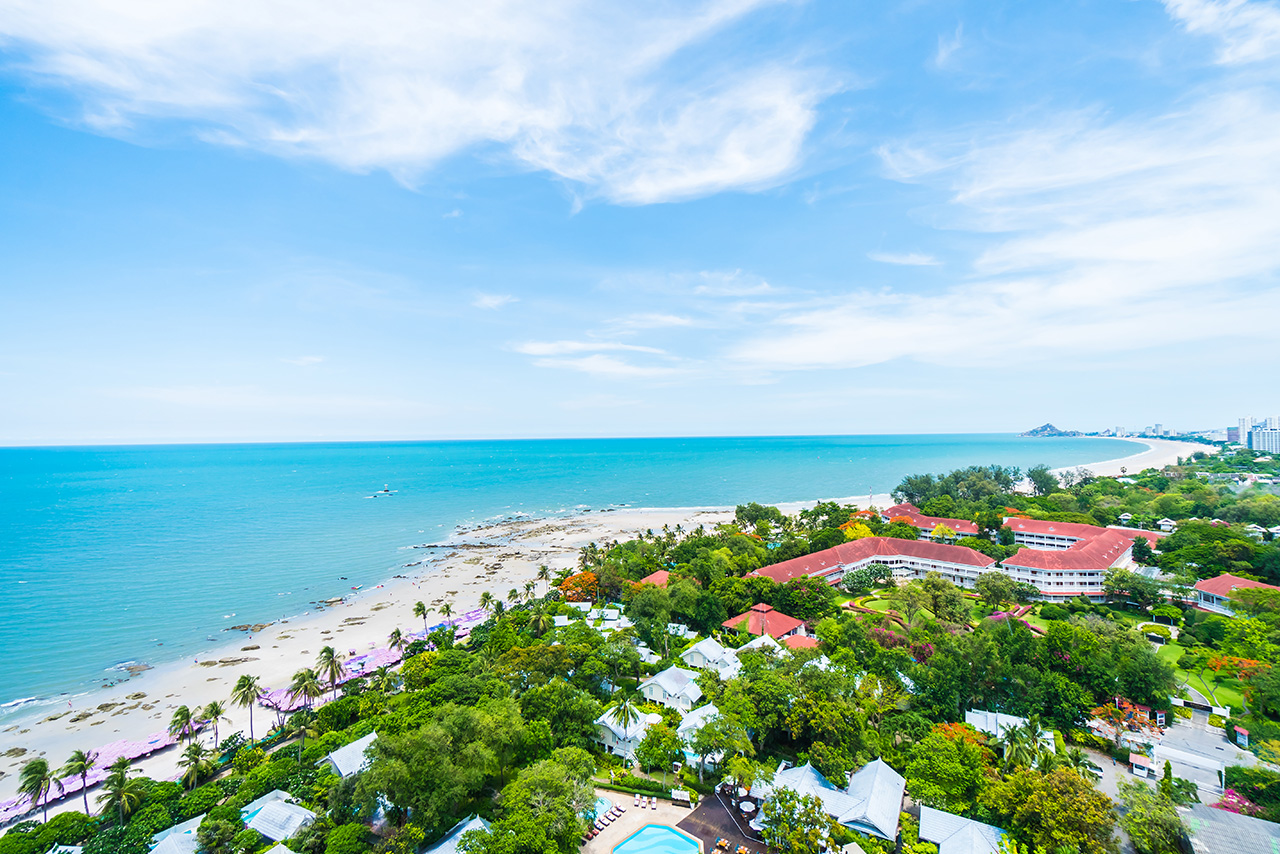
In India, this trend is becoming particularly visible across the western coastline. While Goa continues to remain one of the country’s most established lifestyle and tourism destinations, emerging coastal regions such as Vengurla and the broader Sindhudurg belt are attracting attention for a different reason: they offer the characteristics associated with Low-Density Coastal Living while remaining connected to major tourism and infrastructure corridors.
For investors, understanding this evolving trend is becoming increasingly important. Real estate markets are often shaped by demographic preferences, infrastructure development, tourism growth, and lifestyle shifts. The rise of Low-Density Coastal Living sits at the intersection of all four.
Understanding the Rise of Low-Density Coastal Living
The concept of Low-Density Coastal Living refers to residential environments characterized by:
- Lower population concentration
- Larger land parcels
- Greater privacy
- Reduced traffic congestion
- Higher green cover
- Better environmental quality
- Stronger connection with nature
Globally, demand for such environments accelerated after the pandemic as individuals and families reassessed their priorities.
According to research from Knight Frank India and JLL India, buyers increasingly prioritize wellness, flexibility, sustainability, and lifestyle quality when making real estate decisions.
This trend is especially evident among:
- High-Net-Worth Individuals (HNIs)
- Non-Resident Indians (NRIs)
- Entrepreneurs
- Remote professionals
- Family offices
- Long-term investors
For these groups, property is no longer viewed purely as a financial asset. It is increasingly considered a lifestyle asset that contributes to well-being, flexibility, and long-term wealth preservation.
As a result, Low-Density Coastal Living has evolved from a niche preference into a broader global trend.
Goa: India’s Most Established Coastal Lifestyle Market
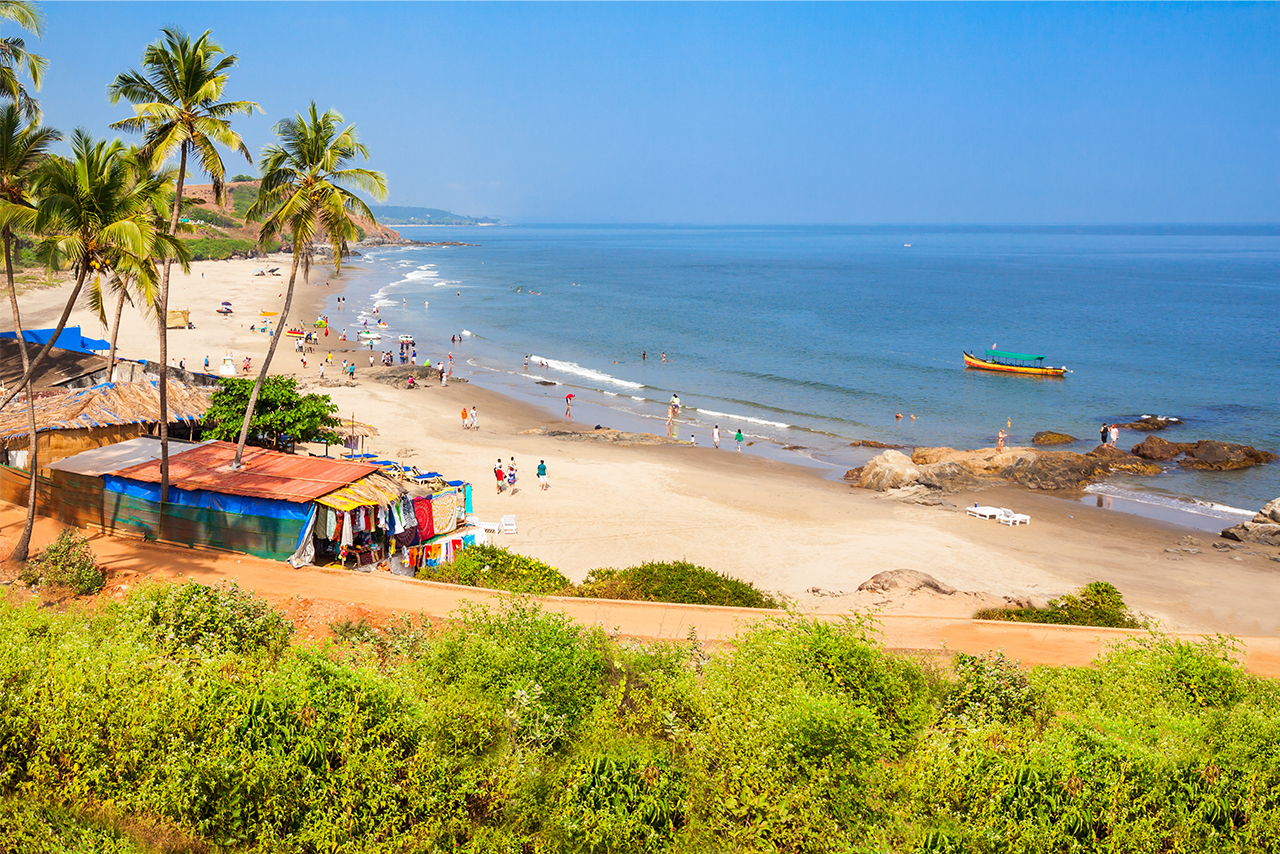
Any discussion about coastal real estate in India naturally begins with Goa.
Over several decades, Goa has established itself as one of the country’s most recognized tourism and lifestyle destinations. The state benefits from:
- Strong domestic tourism demand
- International tourism recognition
- Mature hospitality infrastructure
- Established villa and second-home markets
- Growing workcation ecosystem
According to the Government of Goa, the state covers approximately 3,702 square kilometres and has a population density of around 394 persons per square kilometre.
Goa’s success as a tourism destination has created a dynamic real estate market supported by:
- Hotels and resorts
- Luxury villas
- Vacation rentals
- Boutique hospitality projects
- Retirement communities
The state’s appeal extends beyond tourism. Many professionals, entrepreneurs, and retirees increasingly view Goa as a location where work, leisure, and lifestyle can coexist.
However, as with many successful destinations worldwide, increased popularity has also resulted in higher demand for land, rising property prices, and greater development intensity in several micro-markets.
This phenomenon is not unique to Goa. Similar patterns have been observed across coastal regions in Portugal, Spain, Greece, and parts of Southeast Asia.
Vengurla and the Emergence of a New Coastal Narrative
Located within the Sindhudurg district of Maharashtra, Vengurla represents a different stage of the coastal development cycle.
Known for:
- White-sand beaches
- Cashew plantations
- Mango orchards
- Coastal biodiversity
- Maritime heritage
- Scenic landscapes
Vengurla offers characteristics that increasingly align with global demand for Low-Density Coastal Living.
Unlike mature tourism destinations, the region retains significant natural openness and lower development intensity.
For investors, this distinction matters.
Historically, many high-performing lifestyle real estate markets began as relatively quiet destinations before gaining wider recognition through infrastructure improvements and tourism growth.
Examples include:
- Algarve in Portugal
- Bali’s peripheral regions
- Croatia’s Adriatic coastline
- Costa Rica’s Pacific Coast
While every market has unique characteristics, the common factor has often been the presence of quality natural assets combined with improving accessibility.
Population Density and Why It Matters to Investors
One of the most objective indicators of Low-Density Coastal Living is population density.
According to Census of India data:
Goa
- Area: 3,702 sq km
- Population: Approximately 1.46 million
- Density: Approximately 394 persons per sq km
- Area: Approximately 5,207 sq km
- Population: Approximately 850,000
- Density: Approximately 163 persons per sq km
The difference is significant.
From an investor’s perspective, lower density often translates into:
- More available land
- Greater development flexibility
- Enhanced privacy
- Reduced urban pressure
- Stronger environmental quality
This does not automatically guarantee higher returns. However, it can influence long-term livability and buyer demand, particularly among affluent demographics seeking Low-Density Coastal Living experiences.
Why Space Is Becoming a Premium Asset
Traditionally, luxury in real estate was associated with location alone.
Today, luxury increasingly includes:
- Space
- Privacy
- Wellness
- Nature
- Sustainability
According to global wealth reports published by Knight Frank Wealth Report, affluent buyers are increasingly prioritizing quality-of-life factors alongside investment performance.
The growing popularity of remote and hybrid work models has further strengthened this shift.
Many entrepreneurs and business owners no longer need to remain permanently tied to large metropolitan centres.
As a result, destinations that offer:
- Reliable connectivity
- Natural surroundings
- Lower congestion
- Lifestyle flexibility
are gaining attention among buyers seeking Low-Density Coastal Living environments.
Infrastructure Is Reshaping Coastal Growth Corridors
Infrastructure remains one of the most influential drivers of regional real estate growth.
Historically, infrastructure projects such as airports, highways, ports, and tourism corridors have played a major role in improving accessibility and increasing economic activity.
Both Goa and Sindhudurg are currently benefiting from this dynamic.
Mopa International Airport
One of the most significant developments in recent years has been the opening of Manohar International Airport.
Officially known as Manohar International Airport, the facility has expanded access to North Goa and adjoining regions.
Improved air connectivity typically influences:
- Tourism growth
- Business travel
- Hospitality expansion
- Real estate demand
Global examples demonstrate that airport-led growth corridors frequently become focal points for residential and commercial development over time.
NH-66 Connectivity Improvements
Another important factor is the ongoing development of National Highway 66.
The highway serves as a major transportation corridor linking Mumbai, Goa, and the Konkan region.
Improved road connectivity can influence:
- Weekend tourism
- Regional mobility
- Logistics efficiency
- Real estate accessibility
For destinations associated with Low-Density Coastal Living, accessibility improvements often increase market visibility while preserving the characteristics that initially attracted buyers.
Tourism Trends and Their Influence on Coastal Property Markets
Tourism remains one of the strongest economic drivers for coastal destinations worldwide.
According to the Ministry of Tourism, Government of India, domestic tourism continues to grow significantly across India’s coastal regions.
Goa remains one of India’s most visited leisure destinations and benefits from:
- Established hospitality infrastructure
- International visibility
- Strong vacation rental ecosystem
Meanwhile, Sindhudurg has increasingly gained recognition for:
- Eco-tourism
- Beach tourism
- Adventure tourism
- Marine experiences
- Nature-based travel
As travel preferences evolve, tourists are increasingly seeking authentic experiences rather than purely high-volume tourism environments.
This shift aligns closely with the broader rise of Low-Density Coastal Living, where lifestyle and environmental quality become important components of destination appeal.
Real Estate Appreciation Trends and Investment Potential
When evaluating any coastal real estate market, investors typically focus on three key drivers:
- Demand growth
- Infrastructure expansion
- Land availability
The interaction of these factors often influences long-term value creation.
Goa’s Position as a Mature Coastal Market
Over the years, Goa has evolved into one of India’s most established coastal real estate destinations.
Several factors have contributed to this:
- Strong tourism demand
- Established hospitality ecosystem
- International airport connectivity
- Growing luxury villa market
- Significant second-home ownership
As a mature market, Goa offers investors a well-developed ecosystem with established demand patterns and extensive market visibility.
Mature markets often attract investors seeking:
- Relative stability
- Rental opportunities
- Lifestyle ownership
- Long-term wealth preservation
However, mature markets also tend to experience increasing land scarcity, particularly in high-demand coastal locations.
This naturally shifts investor attention toward emerging regions that offer similar lifestyle advantages while remaining at an earlier stage of development.
Emerging Coastal Markets and Growth Cycles
Historically, emerging coastal markets often follow a similar development path:
Phase 1: Discovery
The destination attracts early travelers and lifestyle seekers.
Phase 2: Infrastructure Investment
Roads, airports, tourism projects, and connectivity improvements begin to increase accessibility.
Phase 3: Hospitality Growth
Hotels, resorts, restaurants, and tourism-related businesses expand.
Phase 4: Real Estate Expansion
Demand rises for:
- Vacation homes
- Villas
- Plotted developments
- Hospitality assets
Phase 5: Market Maturity
The destination becomes a recognized lifestyle and investment location.
Many global coastal destinations have followed this pattern, including regions in Portugal, Croatia, Greece, and Southeast Asia.
The growing interest in Low-Density Coastal Living is influencing where investors enter this growth cycle.

Lifestyle Comparison: Beyond Property Prices
While pricing remains important, modern investors increasingly evaluate destinations through a broader lens.
Questions now include:
- How livable is the location?
- What is the environmental quality?
- How crowded is the area?
- Is there access to nature?
- What is the long-term sustainability outlook?
These considerations have elevated the importance of Low-Density Coastal Living across global property markets.
The Appeal of Active Coastal Communities
Goa continues to attract individuals who value:
- Dining experiences
- Hospitality options
- Social interaction
- Cultural events
- Tourism infrastructure
Its vibrant ecosystem supports a diverse lifestyle offering that appeals to both residents and visitors.
The Growing Preference for Privacy-Oriented Destinations
At the same time, a growing segment of buyers prefers quieter environments characterized by:
- Larger land parcels
- Lower traffic volumes
- Reduced development intensity
- Greater privacy
These characteristics are increasingly associated with Low-Density Coastal Living and have become particularly attractive to:
- Entrepreneurs
- Retirees
- Remote professionals
- Family offices
- Long-term second-home owners
Wellness and Nature Connectivity
According to various global lifestyle and wellness studies, proximity to nature has become a major factor influencing residential choices.
Key considerations include:
- Air quality
- Open green spaces
- Walkability
- Natural landscapes
- Reduced noise pollution
As a result, destinations offering Low-Density Coastal Living often align closely with wellness-oriented lifestyle preferences.
Sustainability and the Future of Coastal Development
Sustainability has become an increasingly important topic within global real estate markets.
Investors today are paying greater attention to:
- Environmental resilience
- Responsible land use
- Water resource management
- Biodiversity preservation
- Long-term ecological health
According to the United Nations Sustainable Development Goals, sustainable urban and regional development will play a critical role in future economic growth.
Why Sustainable Coastal Development Matters
Coastal ecosystems are among the most valuable natural environments in the world.
They provide:
- Biodiversity protection
- Tourism opportunities
- Livelihood generation
- Climate resilience
As coastal development increases globally, investors are increasingly recognizing the value of locations that balance growth with environmental stewardship.
The Relationship Between Density and Sustainability
Lower-density environments often allow for:
- Greater green cover
- Improved stormwater management
- Better landscape integration
- Reduced urban stress
While density alone does not determine sustainability, thoughtful planning remains an important component of long-term value creation.
This is one reason why Low-Density Coastal Living continues to gain attention among environmentally conscious investors.
Why Quieter Coastal Destinations Are Attracting Global Attention
The trend toward Low-Density Coastal Living is not limited to India.
Across the world, investors are increasingly exploring destinations that provide:
- Space
- Privacy
- Natural beauty
- Lifestyle flexibility
Examples include:
Portugal
Secondary coastal towns outside Lisbon and Porto have experienced increasing demand from international buyers.
Greece
Island communities offering lower-density living environments continue attracting long-term investors.
Croatia
The Adriatic coastline has emerged as a premium lifestyle and investment destination.
Bali
Interest has expanded beyond traditional tourism centres toward quieter surrounding regions.
These examples illustrate a broader shift in buyer preferences.
Many investors now prioritize:
- Quality of life
- Environmental quality
- Lifestyle sustainability
alongside financial returns.
Infrastructure-Led Appreciation and Long-Term Value Creation
Real estate markets rarely grow in isolation.
Long-term appreciation is often supported by broader economic and infrastructure developments.
Historically, four major catalysts have influenced coastal market growth:
1. Tourism Expansion
Tourism creates economic activity and supports hospitality infrastructure.
2. Improved Connectivity
Airports, highways, railways, and ports improve accessibility.
3. Land Scarcity
Limited coastal land often influences long-term value dynamics.
4. Lifestyle Migration
Individuals increasingly relocate based on lifestyle preferences rather than workplace proximity.
The growing demand for Low-Density Coastal Living sits at the intersection of all four factors.
For investors, this trend highlights the importance of evaluating destinations through a long-term lens rather than focusing solely on short-term market movements.
Long-Term Outlook for Low-Density Coastal Living in India
Several structural trends suggest continued interest in Low-Density Coastal Living over the coming decade.
Demographic Changes
India’s affluent population continues to grow.
According to wealth studies from the Knight Frank Wealth Report, the number of high-net-worth individuals is expected to increase significantly in the coming years.
This growth supports demand for:
- Lifestyle properties
- Second homes
- Coastal residences
- Wellness-focused communities
Remote and Hybrid Work
The evolution of work models has reduced dependence on traditional urban centres.
Professionals increasingly seek locations that offer:
- Connectivity
- Lifestyle quality
- Environmental benefits
These preferences align closely with the principles of Low-Density Coastal Living.
Infrastructure Expansion
Continued investment in:
- Airports
- Highways
- Tourism projects
- Hospitality assets
is expected to improve accessibility across India’s western coastline.
Sustainability Awareness
Environmental considerations are increasingly influencing investment decisions.
Buyers are paying greater attention to:
- Resource efficiency
- Ecological preservation
- Long-term resilience
These factors support destinations that embrace balanced and sustainable growth.
What Investors Should Evaluate Before Choosing a Coastal Market
Regardless of location, investors should conduct thorough due diligence before entering any coastal real estate market.
Important considerations include:
Population Density
Understanding development intensity and future growth capacity.
Infrastructure Pipeline
Evaluating airports, highways, tourism projects, and transportation networks.
Tourism Performance
Assessing visitor growth trends and economic activity.
Environmental Sustainability
Reviewing ecological considerations and regulatory frameworks.
Connectivity
Understanding regional accessibility and future infrastructure plans.
Land Availability
Evaluating long-term supply dynamics.
Livability
Considering quality of life factors that influence future buyer demand.
Regulatory Environment
Reviewing planning regulations and compliance requirements.
FAQs
1. What is Low-Density Coastal Living, and why is it becoming a major real estate trend?
Low-Density Coastal Living refers to residential environments with lower population concentration, larger open spaces, greater privacy, reduced congestion, and stronger connections to nature. Globally, the trend has accelerated as homebuyers increasingly prioritize wellness, sustainability, and quality of life alongside investment returns.
According to the World Health Organization (WHO), access to green spaces and natural environments contributes positively to physical and mental well-being. This has led many investors, HNIs, and second-home buyers to explore coastal destinations that offer a balance between accessibility and tranquility.
2. How does population density influence long-term real estate value?
Population density can affect various factors that influence livability and investment potential, including traffic congestion, infrastructure strain, environmental quality, and availability of open space.
For example, Goa has an average population density of approximately 394 persons per sq. km, while Sindhudurg district has approximately 163 persons per sq. km, according to Census of India data. Lower-density regions often provide opportunities for larger residential plots, lower development intensity, and more open landscapes, which are increasingly valued in lifestyle-oriented property markets.
3. Why are HNIs and NRIs increasingly investing in coastal second homes?
High-Net-Worth Individuals (HNIs) and Non-Resident Indians (NRIs) often seek real estate assets that offer both lifestyle benefits and long-term wealth preservation. Coastal properties can provide diversification beyond traditional urban investments while offering opportunities for personal use, retirement planning, and vacation living.
According to the Knight Frank Wealth Report, lifestyle-driven property investments continue to gain popularity among affluent buyers worldwide, particularly in destinations offering natural surroundings and a premium quality of life.
4. What role does infrastructure play in coastal real estate appreciation?
Infrastructure development is often one of the strongest catalysts for regional economic growth and real estate demand. Airports, highways, ports, tourism facilities, and public transportation improvements enhance accessibility and attract businesses, tourists, and residents.
Examples across India show that improved connectivity frequently contributes to increased investor interest and greater market visibility over time.
5. How has Mopa International Airport influenced the North Goa and Sindhudurg region?
The opening of Manohar International Airport (Mopa Airport) has significantly improved access to North Goa and nearby regions along the Maharashtra-Goa coastal corridor.
Enhanced air connectivity can support tourism growth, hospitality expansion, business travel, and regional economic activity. Historically, airport-led development has often contributed to increased demand for residential, hospitality, and commercial real estate in surrounding areas.
6. Why is sustainability becoming important in coastal real estate investment?
Sustainability is increasingly influencing investment decisions as buyers become more conscious of environmental resilience, climate considerations, water management, and long-term ecological health.
Coastal ecosystems are valuable natural assets that support tourism, biodiversity, and local economies. Investors increasingly evaluate how developments integrate with their surroundings and whether long-term environmental stewardship is considered.
7. How do tourism trends affect coastal property markets?
Tourism is one of the primary economic drivers in many coastal regions. Tourism growth can support hospitality businesses, vacation rentals, local employment, infrastructure investment, and destination visibility.
As destinations attract more visitors, demand often increases for accommodations, second homes, and hospitality-focused real estate. However, investors should evaluate tourism trends alongside broader factors such as infrastructure, sustainability, and long-term livability.
8. What should investors evaluate before purchasing property in a coastal destination?
Before investing in coastal real estate, investors should assess multiple factors rather than focusing solely on current pricing or short-term appreciation potential.
Important considerations include:
- Population density and future development patterns
- Infrastructure pipeline and connectivity projects
- Tourism growth trends
- Environmental sustainability
- Regulatory and planning frameworks
- Land availability and supply constraints
- Long-term livability and lifestyle appeal
- Economic growth indicators
A comprehensive evaluation helps investors understand both opportunities and potential risks while making informed long-term decisions.
The Future of Coastal Value May Be Defined by Space, Not Density
The evolution of coastal real estate is increasingly being shaped by changing lifestyle preferences.
Across India and globally, investors are placing greater emphasis on:
- Privacy
- Sustainability
- Connectivity
- Wellness
- Environmental quality
- Long-term livability
This shift has contributed to the growing appeal of Low-Density Coastal Living.
While established destinations continue to play a vital role in coastal real estate markets, emerging regions are attracting attention because they offer a different value proposition—one centered on space, nature, and thoughtful development.
For investors, the key takeaway is not about choosing one destination over another. Instead, it is about understanding the broader market forces that are influencing buyer behavior.
As infrastructure improves, tourism evolves, and lifestyle priorities continue to shift, Low-Density Coastal Living is likely to remain an important theme in the future of coastal real estate investment.