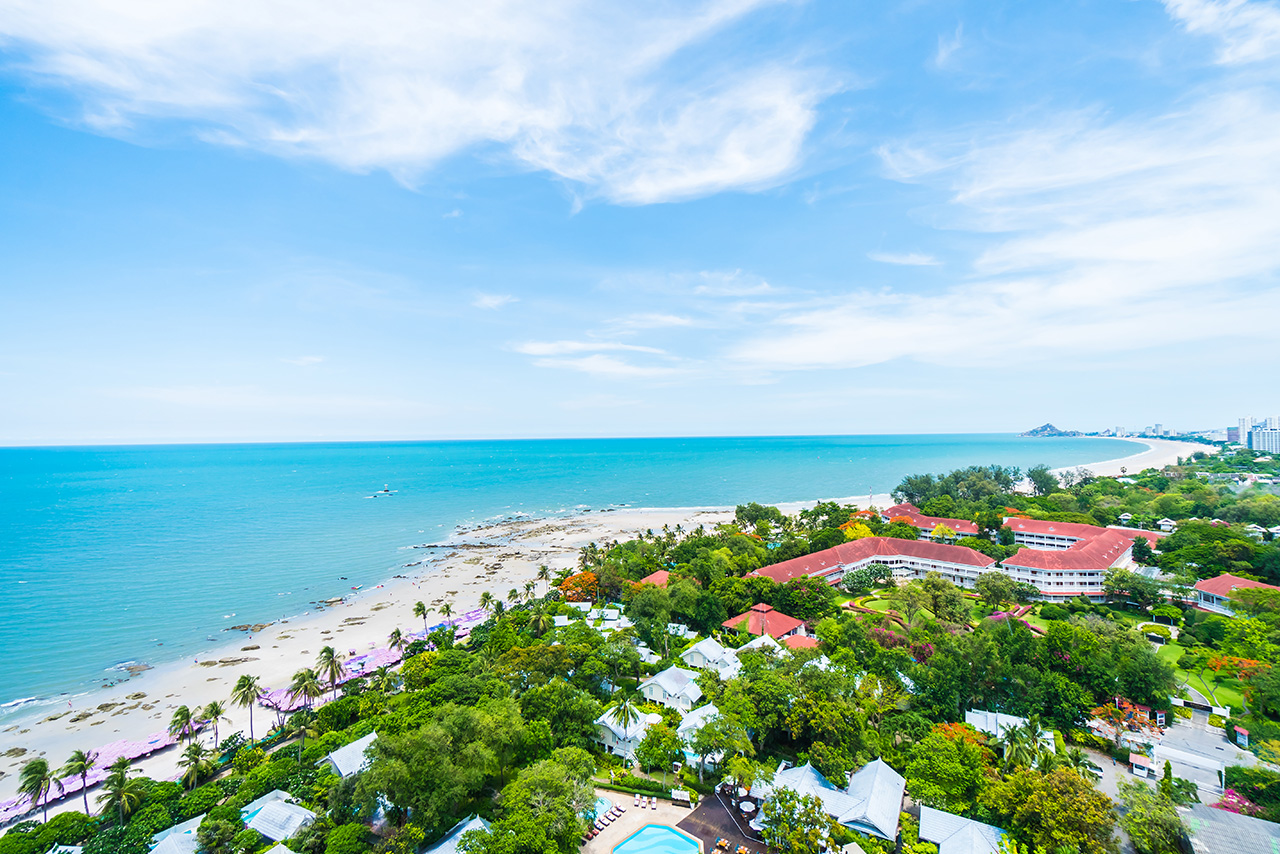
Why Early-Stage Coastal Destinations Create Long-Term Real Estate Curiosity
Real estate investment has always been closely linked to timing. While established markets often attract attention for their proven track records, many investors are increasingly studying Early-Stage Coastal Destinations to understand how emerging locations evolve.
Across the world, several coastal regions that were once relatively unknown have gradually transformed into thriving tourism, residential, and lifestyle hubs. These transitions often result from a combination of infrastructure development, tourism growth, improved connectivity, economic activity, and shifting lifestyle preferences.
The growing interest in Early-Stage Coastal Destinations is not necessarily about predicting rapid appreciation or chasing short-term gains. Instead, it is about understanding long-term patterns of development and how certain regions progress through different stages of growth.
According to research from organizations such as the World Bank, tourism boards, infrastructure agencies, and global real estate consultancies, connectivity and economic development frequently play a significant role in shaping real estate demand over time.
This article explores why Early-Stage Coastal Destinations continue to attract attention from investors, second-home buyers, entrepreneurs, and long-term planners while examining the factors that contribute to their evolution.
Understanding Early-Stage Coastal Destinations
Early-Stage Coastal Destinations are coastal regions that are in the initial phases of economic, tourism, and infrastructure development. These locations may possess natural advantages such as beaches, biodiversity, scenic landscapes, cultural heritage, or strategic positioning, yet remain less developed than mature coastal markets.
Unlike established destinations that have already undergone significant urbanization and commercialization, Early-Stage Coastal Destinations often offer an opportunity to observe development from its formative stages.
These locations generally exhibit characteristics such as:
- Emerging tourism activity
- Improving transportation networks
- New infrastructure investments
- Growing hospitality presence
- Increasing interest from developers
- Expanding local economic opportunities
- Rising visibility among travelers
Importantly, being “early-stage” does not imply underdevelopment or lack of potential. Rather, it indicates that the destination is still progressing through its growth cycle.
For reference, infrastructure investment is widely recognized as a key driver of regional development by institutions such as the World Bank.

The Development Lifecycle of Coastal Regions
Most successful coastal destinations follow a recognizable growth pattern.
Stage 1: Discovery
At this stage, travelers begin exploring the area due to natural attractions, local culture, or recreational opportunities.
Characteristics include:
- Limited tourism infrastructure
- Smaller hospitality ecosystem
- Strong local identity
- Relatively low visitor volumes
Stage 2: Connectivity Enhancement
Improved accessibility often becomes a turning point.
Examples include:
- New airports
- Highway expansions
- Port development
- Railway connectivity improvements
According to the Asian Development Bank, transport infrastructure can significantly improve regional accessibility and economic integration.
Stage 3: Tourism Expansion
As connectivity improves, tourism activity generally increases.
This often encourages:
- Hotels
- Resorts
- Restaurants
- Recreational facilities
- Local businesses
Stage 4: Residential Demand
As awareness grows, residential interest may follow.
Potential buyers often include:
- Lifestyle purchasers
- Second-home seekers
- Remote workers
- Retirees
- Entrepreneurs
Stage 5: Market Maturity
Eventually, the destination becomes widely recognized and enters a more mature phase of development.
Many of today’s globally recognized coastal locations followed a similar trajectory over several decades.
Why Investors Study Early-Stage Coastal Destinations
One reason investors monitor Early-Stage Coastal Destinations is the ability to observe emerging growth indicators before a market becomes widely recognized.
Rather than focusing solely on current conditions, investors often analyze:
- Infrastructure pipelines
- Government initiatives
- Tourism trends
- Population movement
- Business activity
- Hospitality investments
These factors help provide a broader perspective on how a destination may evolve.
The emphasis is often on understanding development patterns rather than seeking immediate returns.
The Role of Infrastructure in Shaping Coastal Growth
Infrastructure remains one of the most influential factors affecting regional development.
Major investments in transportation can improve accessibility, reduce travel time, and support economic activity.
Examples include:
Airports
Airports often expand tourism and business connectivity.
The International Air Transport Association highlights the strong relationship between aviation and economic development.
Highways
Improved road connectivity can:
- Increase tourism movement
- Facilitate trade
- Improve access to services
- Encourage business growth
Ports and Maritime Infrastructure
Coastal economies frequently benefit from maritime connectivity through:
- Trade
- Logistics
- Tourism
- Fisheries
- Cruise activity
When evaluating Early-Stage Coastal Destinations, infrastructure plans are often among the first indicators investors examine.
Tourism as a Long-Term Economic Catalyst
Tourism frequently serves as an important economic engine for coastal regions.
According to the United Nations World Tourism Organization (UN Tourism), tourism contributes significantly to employment, local business growth, and economic diversification.
For Early-Stage Coastal Destinations, tourism can create demand across multiple sectors:
- Hospitality
- Retail
- Transportation
- Food services
- Recreation
- Wellness
As visitor numbers grow, supporting industries often expand alongside them.
This creates broader economic activity that may contribute to regional development.
The Rise of Lifestyle-Based Real Estate Decisions
Over the last decade, buyer preferences have evolved significantly.
Increasingly, individuals are evaluating locations based on:
- Quality of life
- Natural surroundings
- Work-life balance
- Wellness opportunities
- Recreation access
This trend accelerated as remote and flexible work arrangements became more common.
Research by global consulting firms such as Deloitte and PwC suggests that lifestyle considerations are becoming increasingly influential in residential decision-making.
As a result, Early-Stage Coastal Destinations are often evaluated not only as investment opportunities but also as potential lifestyle locations.
Remote Work and the Geography Shift
The rise of digital work has altered traditional location preferences.
Previously, proximity to major urban business districts was often essential.
Today, many professionals can work from diverse locations while remaining connected through digital infrastructure.
This shift has increased interest in destinations that offer:
- Scenic environments
- Lower population density
- Improved quality of life
- Reliable internet connectivity
While remote work alone does not determine real estate performance, it has contributed to broader conversations about where people choose to live and work.
Second Homes and Coastal Living
Second-home ownership continues to be an important segment within many real estate markets.
Buyers may pursue second homes for:
- Personal recreation
- Family use
- Seasonal living
- Long-term planning
Knight Frank’s wealth reports have repeatedly highlighted growing interest in lifestyle-driven real estate among affluent buyers globally.
Many Early-Stage Coastal Destinations attract attention because they combine lifestyle appeal with long-term developmental potential.
Hospitality Development as a Market Signal
The hospitality sector often serves as an indicator of broader confidence in a destination.
When hotels, resorts, and tourism operators invest in a region, they typically conduct extensive feasibility studies before committing capital.
Hospitality growth can contribute to:
- Employment creation
- Visitor inflows
- Brand visibility
- Economic activity
Investors frequently monitor hospitality expansion as one of several indicators when evaluating Early-Stage Coastal Destinations.
Government Initiatives and Regional Development
Public-sector investment often influences regional growth trajectories.
Governments may focus on:
- Tourism promotion
- Transportation projects
- Environmental conservation
- Urban planning
- Industrial development
In India, information regarding infrastructure and regional development projects can often be tracked through:
Such initiatives can provide valuable insights into long-term development priorities.
Learning from Global Coastal Success Stories
Several globally recognized destinations illustrate how coastal regions can evolve.
Goa, India
Over several decades, improved connectivity, tourism growth, hospitality investment, and lifestyle appeal contributed to Goa’s transformation into a prominent coastal destination.
Phuket, Thailand
Phuket experienced significant growth through tourism, airport connectivity, hospitality expansion, and international visibility.
Algarve, Portugal
The Algarve developed into a globally recognized coastal market through sustained tourism activity and infrastructure investment.
Gold Coast, Australia
The Gold Coast evolved through tourism, education, infrastructure, and residential development.
These examples demonstrate that destination growth often occurs gradually rather than overnight.
Environmental Stewardship and Sustainable Development
Modern investors increasingly consider sustainability when evaluating opportunities.
Key considerations include:
- Coastal conservation
- Water management
- Green infrastructure
- Biodiversity protection
- Responsible development
Organizations such as the United Nations Environment Programme emphasize the importance of sustainable coastal management.
Long-term development is often most effective when economic progress aligns with environmental responsibility.
Evaluating Early-Stage Coastal Destinations Responsibly
Investors typically benefit from conducting comprehensive research before making decisions.
Areas to evaluate include:
Connectivity
Assess current and planned transportation networks.
Tourism Trends
Review visitor growth and tourism initiatives.
Regulatory Framework
Understand local regulations and compliance requirements.
Infrastructure
Analyze infrastructure investments and future projects.
Economic Activity
Examine employment trends and business development.
Review sustainability and conservation measures.
Responsible evaluation helps create a balanced understanding of market dynamics.
Common Misconceptions About Emerging Coastal Markets
Misconception 1: Growth Happens Overnight
In reality, destination development often unfolds over years or decades.
Misconception 2: Tourism Alone Drives Success
Tourism is important, but connectivity, governance, infrastructure, and economic diversification also play major roles.
Misconception 3: Every Coastal Region Follows the Same Path
Each destination possesses unique characteristics, opportunities, and challenges.
Misconception 4: Emerging Means Risk-Free
Every investment decision requires proper due diligence and professional guidance.
The Future Outlook for Early-Stage Coastal Destinations
Several long-term trends suggest continued interest in Early-Stage Coastal Destinations globally:
- Infrastructure expansion
- Lifestyle migration
- Remote work flexibility
- Tourism growth
- Wellness-focused living
- Sustainable development initiatives
As transportation networks improve and travel patterns evolve, more coastal regions may gradually enter the global spotlight.
However, success will likely depend on balanced development that combines economic growth, environmental stewardship, and community engagement.
FAQs
1. What are Early-Stage Coastal Destinations and why are they attracting investor attention?
Early-Stage Coastal Destinations are coastal regions that are in the early phases of infrastructure, tourism, and economic development. Investors often monitor these locations because they can provide insights into long-term regional growth patterns driven by connectivity improvements, tourism activity, and evolving lifestyle trends. Understanding how a destination develops over time helps investors make informed decisions based on market fundamentals rather than short-term speculation.
2. How does infrastructure influence the growth of Early-Stage Coastal Destinations?
Infrastructure is often one of the strongest indicators of future regional development. Airports, highways, rail networks, ports, and public utilities improve accessibility and support tourism, business activity, and residential demand. Many successful Early-Stage Coastal Destinations have experienced growth following significant transportation and infrastructure investments.
3. Why is tourism important for Early-Stage Coastal Destinations?
Tourism can serve as an economic catalyst by creating employment opportunities, supporting local businesses, and increasing regional visibility. As visitor numbers grow, hospitality, retail, transportation, and service sectors often expand. For many Early-Stage Coastal Destinations, tourism acts as an important foundation for broader economic activity and long-term development.
4. What role does connectivity play in the success of Early-Stage Coastal Destinations?
Connectivity significantly influences how easily people, goods, and services can access a region. Improved roads, airports, and transport networks can increase tourism, attract businesses, and enhance overall economic activity. Many investors evaluate transportation infrastructure when assessing Early-Stage Coastal Destinations because accessibility often shapes long-term growth potential.
5. Are Early-Stage Coastal Destinations suitable for second-home buyers?
Many Early-Stage Coastal Destinations appeal to second-home buyers because they often combine natural surroundings, recreational opportunities, and evolving infrastructure. Buyers interested in lifestyle-focused real estate frequently consider coastal locations that offer long-term livability while maintaining strong environmental and cultural appeal.
6. How has remote work increased interest in Early-Stage Coastal Destinations?
The rise of flexible and remote work has encouraged professionals to explore locations beyond traditional urban centers. As digital connectivity improves, many individuals seek destinations that offer quality of life, access to nature, and a balanced lifestyle. This shift has contributed to growing curiosity around Early-Stage Coastal Destinations across various regions.
7. What factors should investors evaluate before considering Early-Stage Coastal Destinations?
Investors often assess multiple indicators, including infrastructure projects, tourism growth, regulatory frameworks, environmental sustainability, local economic activity, and demographic trends. Evaluating these factors helps create a balanced understanding of how Early-Stage Coastal Destinations may evolve over the long term.
8. How do hospitality developments impact Early-Stage Coastal Destinations?
Hotels, resorts, wellness retreats, and tourism-related businesses can contribute to regional visibility and economic growth. Hospitality investments often indicate confidence in a destination’s future prospects because developers typically conduct extensive market research before entering a location. As a result, hospitality expansion is frequently monitored when evaluating Early-Stage Coastal Destinations.
9. Why is sustainability becoming important in Early-Stage Coastal Destinations?
Sustainable development helps ensure that economic growth aligns with environmental conservation and community well-being. Responsible planning, coastal ecosystem protection, water resource management, and green infrastructure are increasingly important considerations for both developers and investors studying Early-Stage Coastal Destinations.
10. What long-term trends are shaping the future of Early-Stage Coastal Destinations?
Several trends are influencing the evolution of Early-Stage Coastal Destinations, including infrastructure expansion, lifestyle migration, wellness-focused living, tourism diversification, digital connectivity, and sustainable development initiatives. These trends continue to shape how coastal regions attract residents, visitors, entrepreneurs, and investors in the years ahead.
The growing fascination with Early-Stage Coastal Destinations reflects a broader shift in how people evaluate places, lifestyles, and long-term opportunities.
Rather than focusing solely on established markets, investors increasingly study the factors that influence regional evolution, including infrastructure, tourism, connectivity, sustainability, and economic development.
History shows that many successful coastal destinations were once relatively undiscovered. Their transformation often occurred through years of strategic investment, improved accessibility, and growing awareness.
For investors, planners, and observers alike, understanding Early-Stage Coastal Destinations offers valuable insight into how regions develop over time and how long-term growth stories are often shaped by a combination of vision, infrastructure, and changing human preferences.