Why Sindhudurg Is Moving from a Hidden Coastline to an Investment Watchlist
For decades, India’s coastal investment narrative revolved around a handful of well-known destinations. While these regions attracted tourism, hospitality brands, and real estate development, several coastal districts with strong long-term fundamentals remained largely underexplored. Among them, Sindhudurg stands out as one of the most interesting emerging growth stories.
Located along Maharashtra’s scenic Konkan coastline and sharing proximity with Goa, Sindhudurg combines natural beauty, cultural heritage, marine tourism potential, and improved infrastructure. What was once perceived primarily as a leisure destination is increasingly being viewed through a broader economic lens—one that includes tourism-led development, connectivity upgrades, hospitality expansion, entrepreneurship, and long-term real estate opportunities.
The growing conversation around Sindhudurg Investment is not being driven by speculation alone. Instead, it reflects a convergence of infrastructure projects, policy support, tourism growth, and changing lifestyle preferences among investors, NRIs, entrepreneurs, and second-home buyers.
As India continues investing in regional connectivity and tourism infrastructure, Sindhudurg is gradually moving from a hidden coastline to an emerging investment watchlist.
Understanding Sindhudurg: Maharashtra’s Strategic Coastal Gateway
Situated in the southern part of Maharashtra, Sindhudurg occupies a unique geographic position along the Arabian Sea. The district shares its southern boundary with Goa and forms an important part of India’s Konkan coastal belt.
This location provides a combination of advantages that few emerging coastal destinations possess. Sindhudurg benefits from access to Maharashtra’s large economic ecosystem while simultaneously leveraging the tourism visibility and connectivity generated by neighboring Goa.
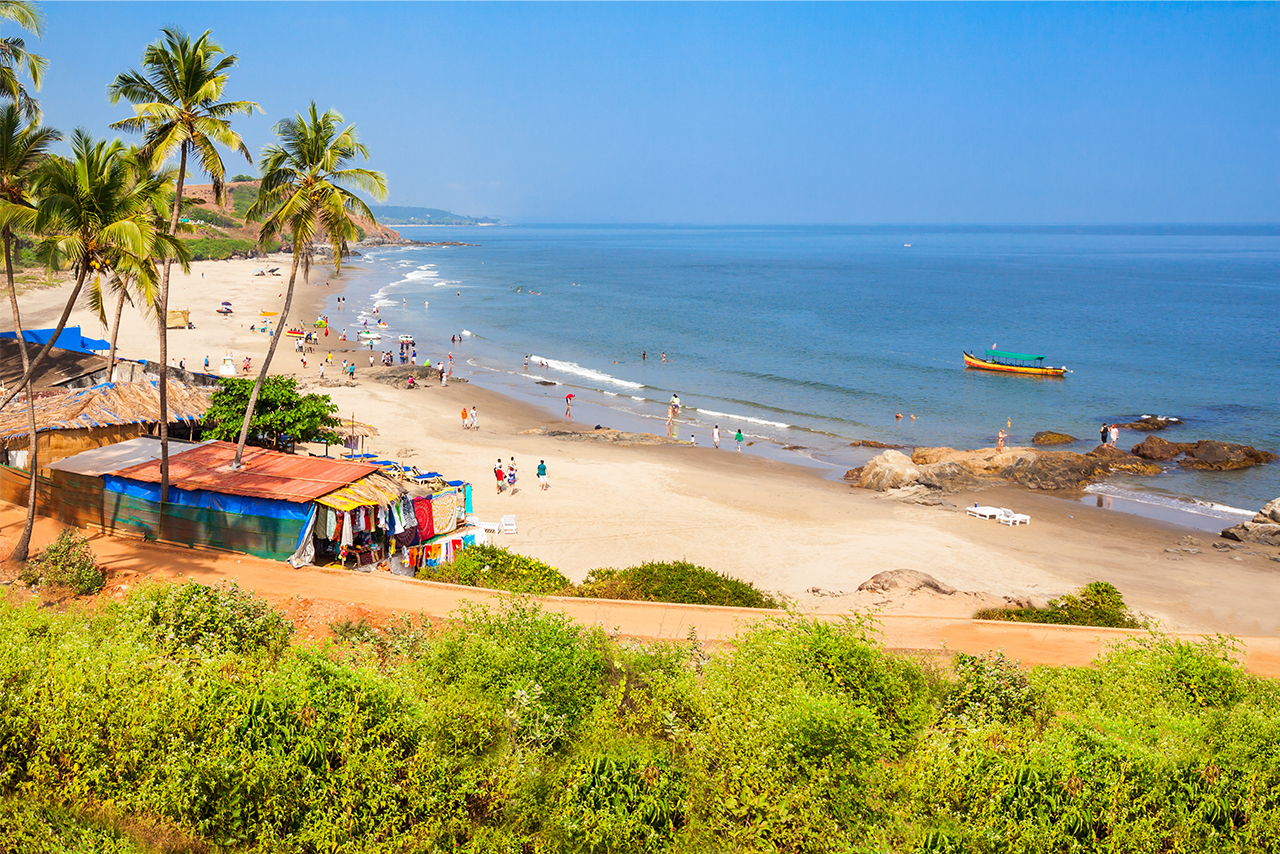
The district is home to some of India’s most pristine beaches, coastal villages, marine tourism destinations, and historic landmarks. Destinations such as Tarkarli, Malvan, Vengurla, Sawantwadi, and the historic Sindhudurg Fort have long attracted travelers seeking authentic coastal experiences.
According to the official website of the Ministry of Tourism, Government of India, coastal and experiential tourism continue to play an increasingly important role in India’s tourism growth strategy. Sindhudurg aligns closely with these emerging trends.
What distinguishes the district is its relatively low-density development pattern. Unlike many mature tourism markets, large portions of Sindhudurg continue to retain their natural landscapes, agricultural zones, coastal ecosystems, and cultural character. For investors evaluating long-term opportunities, such preservation often becomes a significant competitive advantage.
Why Sindhudurg Remained Under the Radar for Decades
To understand the current momentum around Sindhudurg Investment, it is important to understand why the region remained relatively underexplored for so long.
Historically, connectivity was the primary challenge. Reaching Sindhudurg often required long road journeys or rail travel. The absence of a nearby international airport restricted accessibility for domestic and international tourists alike.
At the same time, neighboring Goa emerged as India’s most recognized coastal tourism destination. As tourism capital flowed toward established destinations, many investors overlooked nearby regions that possessed comparable natural assets but lacked infrastructure support.
Institutional hospitality investment also remained limited. Large hotel chains, resort operators, and tourism developers traditionally focused on established markets with proven visitor demand.
Interestingly, this slower pace of development helped preserve many of Sindhudurg’s natural strengths. Beaches remained less crowded, ecosystems experienced lower development pressure, and local communities retained much of their cultural identity.
Today, these same characteristics are increasingly viewed as valuable assets in an era where travelers seek authenticity, sustainability, wellness, and experiential tourism.
The Infrastructure Revolution Reshaping Sindhudurg Investment
Infrastructure development is often the foundation of regional economic transformation. Across India and globally, improved connectivity tends to precede tourism growth, business activity, hospitality expansion, and real estate demand.
Sindhudurg is currently benefiting from several major infrastructure catalysts.
Mopa International Airport: A Regional Game Changer
One of the most significant developments affecting the region is the operationalization of Manohar International Airport (Mopa Airport) in North Goa.
Official information and traffic updates from airport authorities indicate that passenger traffic has grown rapidly since operations began, significantly enhancing accessibility across the wider Goa-Sindhudurg corridor.
Official airport information is available through Manohar International Airport (Mopa).
For investors, the importance of airport connectivity extends far beyond tourism.
Improved air access influences:
- Business travel
- Hospitality demand
- Second-home purchases
- NRI accessibility
- Corporate investment interest
- Weekend tourism
Many parts of northern Sindhudurg can now be reached far more efficiently than before, fundamentally changing how the region is perceived by both visitors and investors.
Mumbai-Goa Highway Upgrades
Another major driver of Sindhudurg Investment is the ongoing modernization of National Highway 66.
The Mumbai-Goa Highway is among western India’s most important transport corridors, connecting major urban centers with the Konkan region.
Project updates can be tracked through the National Highways Authority of India (NHAI) and the Ministry of Road Transport and Highways.
As highway upgrades continue, expected benefits include:
- Reduced travel times
- Better logistics movement
- Improved tourism accessibility
- Enhanced regional commerce
- Increased investor confidence
Historically, infrastructure corridors have played a significant role in unlocking new investment geographies across India.
Konkan Railway Connectivity
The Konkan Railway remains one of India’s most significant railway achievements.
Stations such as Sawantwadi and Kudal provide connectivity to Mumbai, Goa, Karnataka, and Kerala.
Official information can be accessed through Konkan Railway Corporation Limited.
Rail infrastructure continues to support tourism mobility, workforce movement, trade, and regional economic integration.
Marine and Coastal Infrastructure
Sindhudurg is also benefiting from growing attention toward marine tourism and coastal experiences.
Projects related to scuba diving, maritime heritage, water sports, and underwater tourism have increased the region’s visibility.
India’s broader Blue Economy initiatives, promoted through organizations such as NITI Aayog, are creating additional opportunities for coastal districts like Sindhudurg.

Tourism Growth: The Economic Engine Behind Sindhudurg Investment
Tourism often acts as the first major catalyst for coastal economic transformation.
In Sindhudurg’s case, tourism growth is increasingly supported by improved connectivity, digital visibility, and evolving traveler preferences.
The district offers a diverse tourism ecosystem that includes:
- Beach tourism
- Heritage tourism
- Adventure tourism
- Eco-tourism
- Culinary tourism
- Wellness tourism
- Marine tourism
Destinations such as Tarkarli have gained recognition for scuba diving and water sports, while Vengurla and Malvan continue attracting travelers seeking less commercialized coastal experiences.
According to the Maharashtra Tourism Development Corporation (MTDC), coastal tourism remains an important component of Maharashtra’s tourism strategy.
What makes Sindhudurg particularly interesting is the diversity of tourism experiences available within a relatively compact geographic region.
As tourism volumes increase, supporting sectors also benefit:
- Hospitality
- Restaurants
- Transportation
- Retail
- Local entrepreneurship
- Real estate services
This multiplier effect is one of the reasons why tourism-led regions often attract long-term investor attention.
Hospitality Expansion Signals Growing Confidence
The hospitality sector often serves as an early indicator of future regional growth.
When established hotel operators commit capital to a destination, it typically reflects confidence in long-term tourism demand.
One notable example is the announcement of a luxury resort project in Shiroda by the Indian Hotels Company Limited.
Details can be found through Indian Hotels Company Limited (IHCL).
Such investments contribute to:
- Destination branding
- Employment generation
- Tourism infrastructure
- Higher visitor spending
- Enhanced market visibility
Beyond large hospitality brands, there is also growing interest in boutique resorts, wellness retreats, experiential stays, and eco-luxury accommodation formats.
This diversification creates opportunities for entrepreneurs, hospitality operators, and investors exploring tourism-linked assets.
The Rise of Luxury Tourism and Experiential Living
Consumer preferences have evolved significantly over the past decade.
Many travelers now prioritize experiences over conventional tourism. Wellness, sustainability, authenticity, and privacy have become important decision-making factors.
This shift is influencing destination development across India.
The rise of work-from-anywhere culture, hybrid work models, and lifestyle migration has also expanded interest in locations that offer quality of life alongside connectivity.
For many professionals and entrepreneurs, coastal destinations are no longer viewed solely as vacation locations. They are increasingly considered places for extended stays, remote work, and second-home ownership.
These broader lifestyle trends contribute to the growing relevance of Sindhudurg Investment within India’s evolving tourism and real estate landscape.
How the Second-Home Economy Is Influencing Sindhudurg Investment
The second-home market has emerged as one of the most important segments within Indian real estate.
Research from leading advisory firms including Knight Frank India, JLL India, and ANAROCK Research highlights increasing demand for lifestyle-oriented residential assets.
Several factors are driving this trend:
- Wealth creation
- Lifestyle diversification
- Remote work flexibility
- Wellness-focused living
- Portfolio diversification
Sindhudurg’s coastal setting, improving accessibility, and lower-density environment align with many of these emerging preferences.
In addition, the growth of vacation rental platforms has created alternative income opportunities for property owners.
While investors should always conduct independent financial analysis, tourism-linked residential assets increasingly form part of broader wealth management discussions among HNIs and NRIs.
Real Estate Trends and Long-Term Investment Potential
The discussion around Sindhudurg Investment increasingly includes real estate considerations.
Several drivers are influencing market interest:
Connectivity-Led Demand
Infrastructure improvements generally increase the attractiveness of previously underconnected locations.
Tourism-Led Demand
As visitor numbers grow, demand often expands across accommodation, hospitality, retail, and residential segments.
Lifestyle Migration
Professionals seeking alternative living environments are increasingly considering coastal destinations.
Land Banking Interest
Emerging regions often attract investors looking for long-term exposure to future growth corridors.
However, investors should maintain realistic expectations.
Real estate markets evolve gradually and are influenced by multiple variables including infrastructure execution, policy frameworks, tourism growth, economic cycles, and environmental considerations.
Prudent due diligence remains essential.
Learning from India’s Coastal Growth Stories
Several Indian coastal destinations provide useful insights into how tourism and infrastructure can influence long-term development.
Goa demonstrates how connectivity and tourism can create a globally recognized destination ecosystem.
Alibaug illustrates the impact of proximity to major metropolitan regions.
Gokarna highlights how experiential tourism can support hospitality growth.
The Konkan coastline more broadly demonstrates how infrastructure improvements can unlock previously underexplored destinations.
For Sindhudurg, the opportunity lies not in replicating any specific market but in leveraging its own unique combination of natural assets, connectivity improvements, and sustainable development potential.
Sustainability Will Shape the Future of Sindhudurg Investment
No discussion of Sindhudurg Investment is complete without addressing sustainability.
The district’s natural environment is one of its greatest strengths.
Its future competitiveness will depend on balancing growth with conservation.
Key priorities include:
- Coastal ecosystem protection
- Responsible tourism development
- Water resource management
- Waste management systems
- Climate resilience planning
- Biodiversity conservation
Organizations such as the Ministry of Environment, Forest and Climate Change and UN Tourism continue emphasizing sustainable tourism frameworks globally.
Destinations that successfully balance development and environmental stewardship often achieve stronger long-term outcomes.
What Could the Next 10–15 Years Look Like?
While future projections always involve uncertainty, several trends appear likely to shape Sindhudurg’s trajectory over the coming decade.
Tourism is expected to continue diversifying beyond traditional beach travel.
Hospitality investment may expand across luxury, wellness, experiential, and boutique segments.
Improved connectivity is likely to support broader economic integration with neighboring regions.
Entrepreneurial activity may increase in sectors such as:
- Tourism services
- Hospitality
- Food and beverage
- Marine recreation
- Wellness experiences
- Digital businesses
The second-home market may continue evolving as lifestyle preferences change among urban professionals and NRIs.
Most importantly, the region’s development story will likely be influenced by how effectively stakeholders balance growth with sustainability.
Opportunities and Challenges for Investors
Every emerging destination presents both opportunities and challenges.
Potential Opportunities
- Tourism-linked businesses
- Hospitality development
- Second-home markets
- Lifestyle-driven real estate
- Entrepreneurship opportunities
- Long-term land banking strategies
Key Challenges
- Regulatory approvals
- Environmental compliance
- Infrastructure execution timelines
- Market fluctuations
- Tourism seasonality
- Economic cycles
A balanced investment approach requires evaluating both sides of the equation.
FAQs
1. Why is Sindhudurg Investment gaining attention among investors?
Sindhudurg Investment is attracting interest due to a combination of improving infrastructure, growing tourism, enhanced connectivity, and increasing hospitality development. Major projects such as Mopa International Airport and upgrades to NH-66 are improving accessibility and supporting long-term economic growth.
2. How has Mopa International Airport impacted Sindhudurg Investment?
The operationalization of Mopa International Airport has significantly improved access to the Sindhudurg region for domestic and international travelers. Better connectivity can support tourism growth, hospitality demand, and broader economic activity, making Sindhudurg Investment increasingly relevant to long-term investors.
3. Is Sindhudurg becoming a major coastal investment destination in India?
Sindhudurg is gradually emerging as a notable coastal growth corridor due to its strategic location, tourism potential, infrastructure improvements, and proximity to Goa. While still developing, the region is increasingly being evaluated by investors seeking long-term opportunities in coastal India.
4. What infrastructure projects are driving Sindhudurg Investment growth?
Key infrastructure projects supporting Sindhudurg Investment include Mopa International Airport, Mumbai-Goa Highway (NH-66) upgrades, Konkan Railway connectivity, marine tourism initiatives, and coastal infrastructure development. These projects aim to improve accessibility and regional economic integration.
5. How important is tourism to the future of Sindhudurg Investment?
Tourism plays a significant role in the region’s growth story. Beaches, scuba diving, marine tourism, heritage attractions, eco-tourism, and wellness experiences are contributing to increased visitor interest, which can support hospitality, retail, and real estate sectors over time.
6. Is Sindhudurg Investment suitable for NRIs and second-home buyers?
Many NRIs and second-home buyers are exploring emerging coastal destinations that offer lifestyle benefits, improved connectivity, and long-term growth potential. Sindhudurg’s coastal environment and increasing accessibility have placed it on the radar of this investor segment.
7. What role does the Mumbai-Goa Highway play in Sindhudurg Investment?
The ongoing modernization of NH-66 is expected to reduce travel times, improve logistics efficiency, and strengthen tourism movement across the Konkan region. Better road infrastructure often acts as a catalyst for regional development and investment activity.
8. How is the hospitality sector influencing Sindhudurg Investment?
Growing interest from hospitality operators, boutique resorts, wellness retreats, and branded hotel groups reflects increasing confidence in the region’s tourism potential. Hospitality expansion can contribute to employment generation, destination branding, and economic development.
9. What sustainability factors should investors consider in Sindhudurg Investment?
Investors should evaluate environmental regulations, coastal development guidelines, water resource management, biodiversity conservation, and sustainable tourism practices. Long-term value creation in coastal destinations is often linked to responsible development.
10. What is the long-term outlook for Sindhudurg Investment?
The long-term outlook for Sindhudurg Investment is closely tied to infrastructure execution, tourism growth, hospitality expansion, economic diversification, and sustainable development. While every market carries risks, the region is increasingly being monitored as a developing coastal growth corridor with multi-sector potential.
Key Takeaways for Investors
The growing interest in Sindhudurg Investment reflects broader structural trends rather than short-term market enthusiasm.
Infrastructure upgrades are improving accessibility.
Tourism continues to diversify.
Hospitality investment is increasing.
Second-home demand is expanding.
Entrepreneurial opportunities are emerging.
At the same time, sustainability, due diligence, and long-term planning remain critical.
For investors, NRIs, HNIs, business leaders, and policymakers, Sindhudurg represents an evolving regional growth story that merits close observation.
Sindhudurg’s transformation is not the result of a single project or announcement. Rather, it is the outcome of multiple forces working together—improved connectivity, tourism expansion, hospitality investment, lifestyle migration, and growing economic integration.
For years, the district remained a hidden gem along India’s western coastline. Today, improving infrastructure, increasing visibility, and evolving market dynamics are bringing it onto the radar of investors, entrepreneurs, and tourism stakeholders.
The future of Sindhudurg Investment will ultimately depend on how effectively growth is managed, infrastructure is executed, and sustainability is prioritized.
What is becoming increasingly clear, however, is that Sindhudurg is no longer simply a scenic coastal district. It is gradually emerging as one of India’s most closely watched coastal growth corridors—offering valuable insights into how connectivity, tourism, and responsible development can reshape regional economies over the coming decade.