INS Guldar and the Rise of Marine Tourism in Sindhudurg: How India’s First Underwater Museum Is Reshaping Coastal Tourism and Investment Potential
A New Chapter in India’s Coastal Tourism Story
India’s coastline stretches more than 7,500 kilometers, touching some of the country’s most vibrant economic zones, cultural regions, and tourism destinations. Yet for decades, the majority of coastal tourism development remained concentrated around beaches, heritage sites, and hospitality infrastructure. Today, a new trend is emerging—one that combines marine conservation, adventure tourism, maritime heritage, and economic development.
At the center of this transformation is Marine Tourism in Sindhudurg, a region that is increasingly attracting attention from policymakers, tourism planners, investors, and infrastructure developers alike.
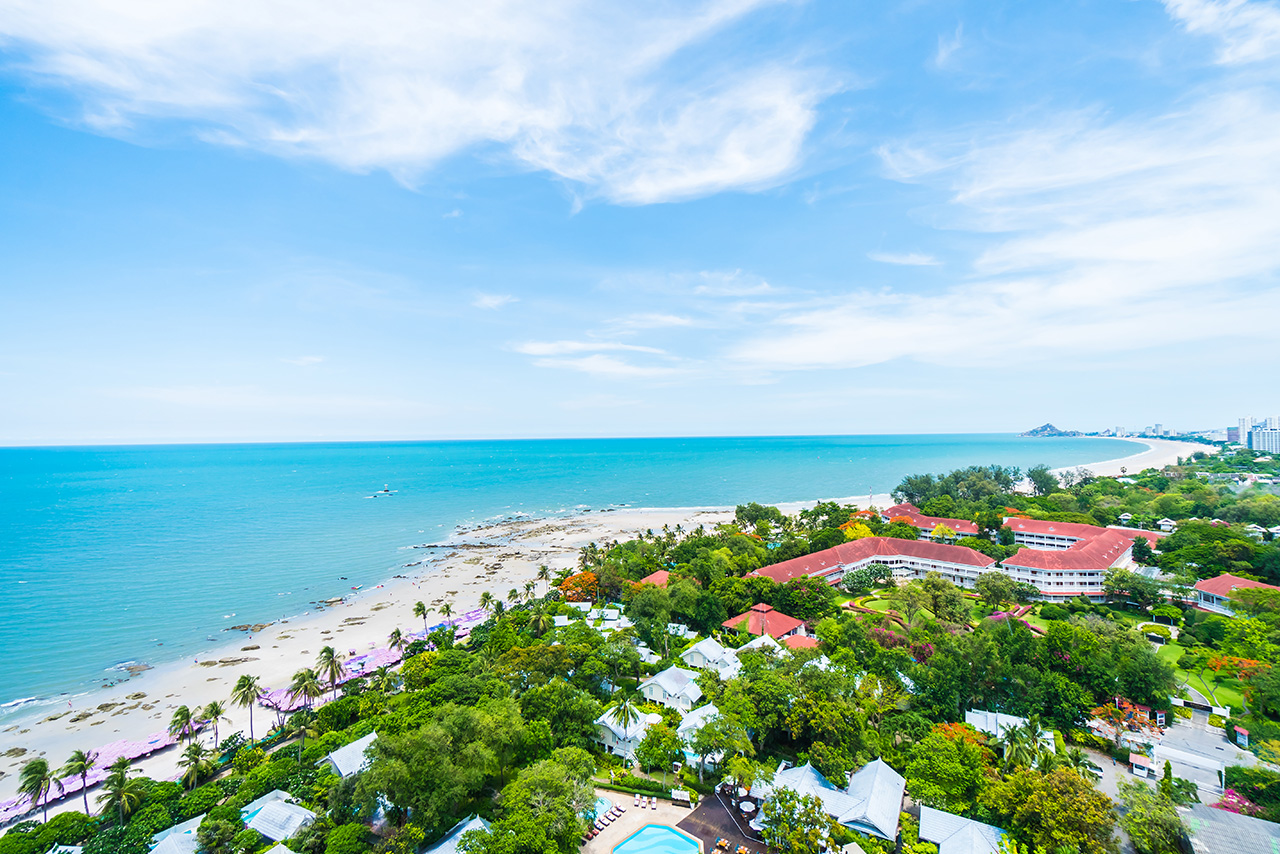
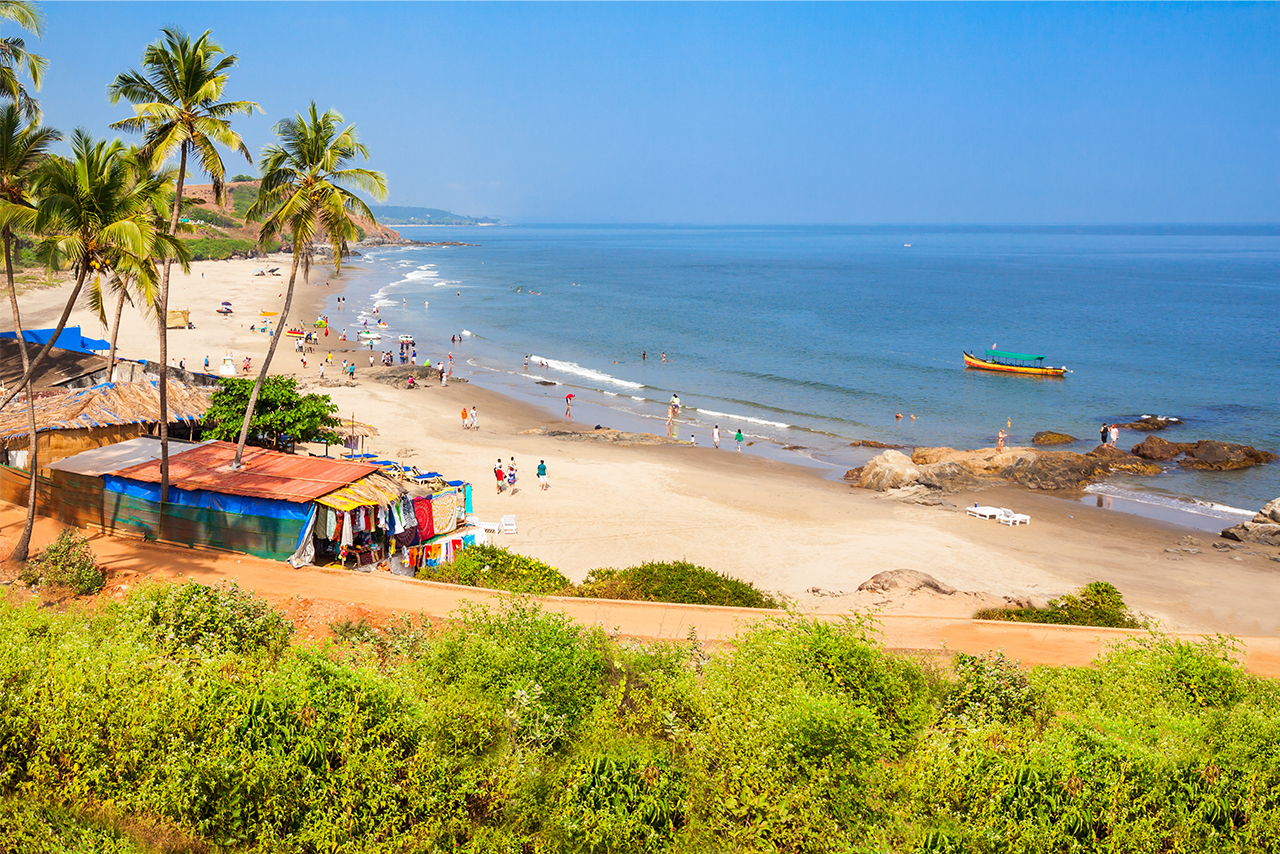
Located along Maharashtra’s scenic Konkan coastline, Sindhudurg has long been known for its pristine beaches, historic forts, rich Malvani culture, and relatively untouched natural beauty. Destinations such as Tarkarli, Malvan, Devbagh, and Vengurla have built strong reputations among travelers seeking authentic coastal experiences. However, recent developments indicate that the region is entering a new phase of tourism-led growth.
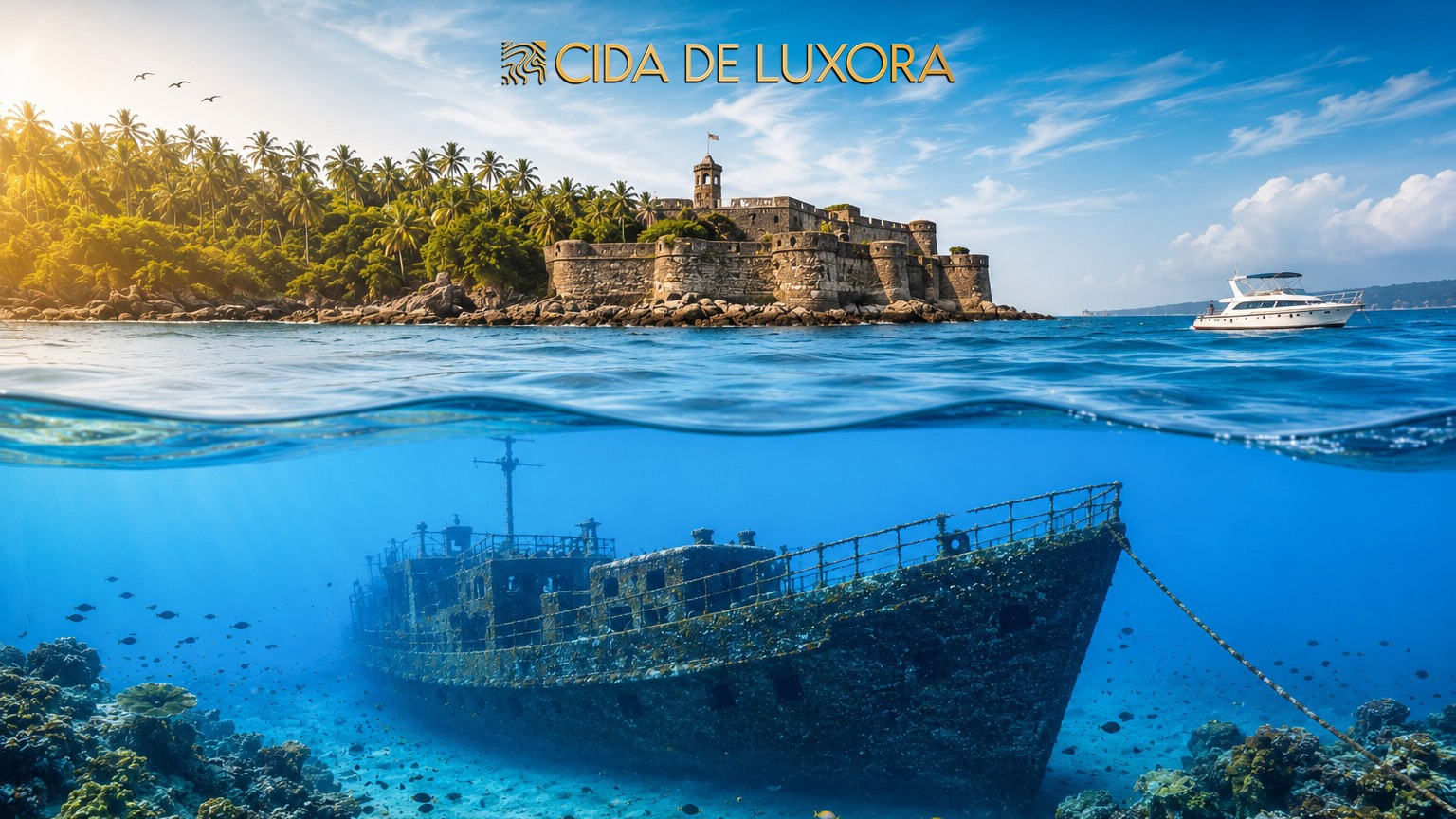
One of the most significant milestones in this evolution is the transformation of INS Guldar, a former Indian Navy warship, into India’s first underwater museum and artificial reef project. Supported by government agencies and tourism authorities, this initiative represents far more than a unique tourist attraction. It is a strategic investment in Marine Tourism in Sindhudurg and an important step toward strengthening India’s blue economy ambitions.
For investors, the significance of this development extends beyond tourism. Around the world, successful marine tourism destinations have demonstrated the ability to stimulate local economies, support infrastructure development, generate employment, encourage hospitality investment, and increase demand for second homes and experiential travel.
The story of INS Guldar therefore offers a fascinating case study in how a single tourism asset can influence the trajectory of an entire region.
Understanding INS Guldar: From Naval Service to Tourism Asset
Before becoming a tourism landmark, INS Guldar served the Indian Navy for nearly four decades.
Commissioned in December 1985, INS Guldar was a Kumbhir-class Landing Ship Tank (Medium) built in Poland. Throughout its operational life, the vessel supported amphibious operations, logistics missions, and troop transportation. The ship played an important role in strengthening India’s maritime capabilities and served across various naval commands.
Like many naval vessels worldwide, INS Guldar eventually reached the end of its operational lifecycle. Rather than dismantling the ship entirely, authorities identified an alternative use that could preserve its legacy while creating economic and environmental value.
This approach follows a model that has been successfully adopted in several international destinations. Former military vessels have been transformed into underwater museums and artificial reefs in countries such as the United States, Australia, Egypt, and Thailand. These projects often become major attractions for divers, marine researchers, and tourists seeking unique experiences.
The decision to repurpose INS Guldar reflects a broader understanding that maritime heritage can become an important component of tourism infrastructure.
Instead of remaining a retired naval asset, the vessel is now positioned to become a centerpiece of Marine Tourism in Sindhudurg.
India’s First Underwater Museum: Why It Matters
The conversion of INS Guldar into an underwater museum is a landmark development for Indian tourism.
Unlike traditional museums, underwater museums create immersive experiences that combine education, recreation, and conservation. Visitors do not simply observe artifacts; they become part of the environment itself.
The INS Guldar project has been designed around three key objectives:
Preserving Maritime Heritage
The ship continues to tell the story of India’s naval history even after its decommissioning.
Supporting Marine Conservation
The vessel will function as an artificial reef, creating habitats for marine organisms and encouraging biodiversity growth.
Driving Tourism Development
The project introduces a globally recognized category of tourism attraction that has the potential to attract domestic and international visitors.
The Ministry of Tourism approved financial support for the project, recognizing its potential to establish a unique tourism offering that does not currently exist elsewhere in India.
For Marine Tourism in Sindhudurg, this development provides a strong differentiator. While many coastal destinations offer beaches and water sports, very few can offer a purpose-built underwater museum centered around a former naval vessel.
Why Sindhudurg Was Chosen
The success of underwater tourism depends heavily on geography, environmental conditions, and accessibility.
Sindhudurg possesses several advantages that make it particularly suitable for marine tourism initiatives.
Clear Coastal Waters
Areas around Tarkarli, Malvan, and Vengurla are known for relatively clear underwater visibility during much of the tourism season. This visibility is critical for scuba diving, snorkeling, underwater photography, and educational marine tourism activities.
Existing Water Sports Ecosystem
The district already supports:
- Scuba diving
- Snorkeling
- Parasailing
- Dolphin safaris
- Jet skiing
- Coastal boating experiences
Because an adventure tourism ecosystem already exists, the introduction of INS Guldar can build upon an established foundation rather than creating demand from scratch.
Strong Connectivity Improvements
The region is benefiting from several infrastructure developments, including:
- Mopa International Airport
- Mumbai-Goa Highway upgrades
- Improved regional road networks
- Proposed coastal transportation projects
These improvements are making Marine Tourism in Sindhudurg more accessible to travelers from major Indian cities and international destinations.
Strategic Location
Situated near the Maharashtra-Goa border, Sindhudurg benefits from tourism spillover from Goa while maintaining a distinct identity and comparatively lower levels of congestion.
This positioning creates opportunities for diversified tourism growth.

Marine Tourism in Sindhudurg: From Niche Activity to Economic Driver
Marine tourism is no longer viewed merely as a recreational sector. Across the world, it has become a significant contributor to regional economic development.
According to various international tourism studies, marine and coastal tourism represent one of the largest segments of the global tourism industry. Coastal destinations generate employment, attract investment, support local businesses, and stimulate infrastructure improvements.
Marine Tourism in Sindhudurg is increasingly following this trajectory.
Historically, tourism in the district centered around beaches, cultural experiences, and heritage attractions such as the famous Sindhudurg Fort built by Chhatrapati Shivaji Maharaj.
Over time, the tourism profile evolved.
Adventure tourism operators introduced scuba diving experiences in Tarkarli. Snorkeling activities gained popularity among domestic travelers. Dolphin safaris attracted families and nature enthusiasts.
As visitor preferences shifted toward experiential travel, the demand for marine-based activities increased.
Today, Marine Tourism in Sindhudurg encompasses a broader ecosystem that includes:
- Adventure tourism
- Eco-tourism
- Heritage tourism
- Marine conservation experiences
- Water sports
- Coastal hospitality
The addition of INS Guldar further strengthens this ecosystem by introducing wreck-diving tourism and underwater heritage experiences.
The Rise of Scuba Diving in Sindhudurg
Scuba diving has become one of the most visible indicators of the growth of Marine Tourism in Sindhudurg.
A decade ago, scuba diving was often associated with international destinations such as Thailand, Indonesia, Egypt, and the Maldives. In India, awareness was largely limited to the Andaman Islands and Lakshadweep.
However, improved tourism infrastructure and growing interest in adventure travel have expanded the market significantly.
Tarkarli emerged as one of Maharashtra’s most recognized diving destinations due to:
- Accessible diving locations
- Favorable underwater conditions
- Relatively affordable experiences
- Rich marine biodiversity
As more domestic travelers seek experiential vacations, scuba diving participation has increased steadily.
The arrival of INS Guldar is expected to further elevate the region’s appeal.
Globally, shipwreck diving represents one of the most sought-after segments of scuba tourism. Divers often travel significant distances specifically to explore historic wrecks and artificial reefs.
By introducing India’s first underwater museum centered around a former naval vessel, Sindhudurg gains a unique asset capable of attracting a broader audience of adventure travelers.
For tourism stakeholders, this creates opportunities across multiple sectors, including:
- Dive training centers
- Equipment rentals
- Boat operations
- Hospitality businesses
- Travel services
- Marine education programs
The economic benefits therefore, extend far beyond the attraction itself.
Artificial Reefs and Environmental Benefits
An important aspect of the INS Guldar project is its role as an artificial reef.
Artificial reefs are human-made structures intentionally placed underwater to promote marine life. When designed and managed correctly, these structures provide surfaces for coral growth and habitats for various aquatic species.
Around the world, artificial reefs have demonstrated positive environmental outcomes.
Former ships, aircraft, and specially designed structures have been used to support biodiversity while simultaneously creating tourism attractions.
Before submersion, vessels undergo extensive environmental preparation to remove hazardous materials and minimize ecological risks.
Once submerged, marine organisms gradually colonize the structure.
Over time, the vessel can become an underwater ecosystem supporting fish populations, coral formations, and other marine life.
For Marine Tourism in Sindhudurg, this creates a valuable combination of conservation and tourism objectives.
Visitors gain access to a unique experience, while the marine environment benefits from additional habitat creation.
This balance between economic development and environmental stewardship is increasingly important in modern tourism planning.
The Economic Impact of Marine Tourism in Sindhudurg
The significance of INS Guldar extends well beyond tourism marketing. Across the world, marine tourism projects have demonstrated their ability to create economic activity across multiple sectors. From hospitality and transportation to retail, recreation, and real estate, tourism spending often produces a multiplier effect that benefits entire regional economies.
Marine Tourism in Sindhudurg is increasingly being viewed through this broader economic lens.
Every tourist visiting a coastal destination contributes to a network of local businesses. Accommodation providers, restaurants, transport operators, water sports businesses, guides, retailers, fishermen, and tourism service providers all participate in the value chain.
The introduction of a nationally significant attraction such as INS Guldar has the potential to increase:
- Tourist arrivals
- Average visitor spending
- Length of stay
- Repeat visitation
- Tourism-related employment
These outcomes can have a meaningful impact on local economic development.
Employment Generation
Tourism remains one of the world’s largest employment-generating industries.
As Marine Tourism in Sindhudurg expands, demand is expected to grow for:
- Certified scuba instructors
- Marine guides
- Boat captains
- Hospitality professionals
- Tourism managers
- Diving equipment specialists
- Marine conservation experts
- Adventure tourism operators
Importantly, many of these jobs are locally anchored and cannot be outsourced.
This creates opportunities for sustainable community development while reducing migration pressures often experienced in coastal districts.
Supporting Local Entrepreneurship
Tourism growth also encourages entrepreneurship.
New opportunities may emerge for:
- Boutique hotels
- Homestays
- Cafés
- Marine activity operators
- Local handicraft businesses
- Coastal wellness retreats
Globally, marine tourism destinations frequently witness the development of small and medium enterprises that cater to visitor demand.
As Marine Tourism in Sindhudurg evolves, local entrepreneurship could become one of the most important drivers of economic resilience.
The Blue Economy Opportunity
In recent years, policymakers have increasingly emphasized the concept of the Blue Economy.
The Blue Economy refers to the sustainable use of ocean resources for economic growth, improved livelihoods, and environmental protection.
According to policy discussions by NITI Aayog, sectors linked to coastal and marine ecosystems can play a significant role in India’s future development strategy.
Marine Tourism in Sindhudurg aligns directly with this vision.
The INS Guldar initiative demonstrates how marine heritage, conservation, tourism, and economic development can work together within a single framework.
The project contributes to:
- Sustainable tourism
- Coastal employment
- Marine awareness
- Biodiversity enhancement
- Destination branding
Rather than relying solely on conventional tourism models, Sindhudurg is gradually building a more diversified coastal economy.
This evolution is particularly important because modern travelers increasingly seek experiences that combine learning, sustainability, and adventure.
Infrastructure Developments Supporting Marine Tourism in Sindhudurg
Tourism growth rarely happens in isolation.
The success of destinations is often determined by infrastructure investments that improve accessibility and visitor convenience.
One reason Marine Tourism in Sindhudurg is attracting growing attention is the scale of infrastructure development currently underway across the wider Maha-Goa region.
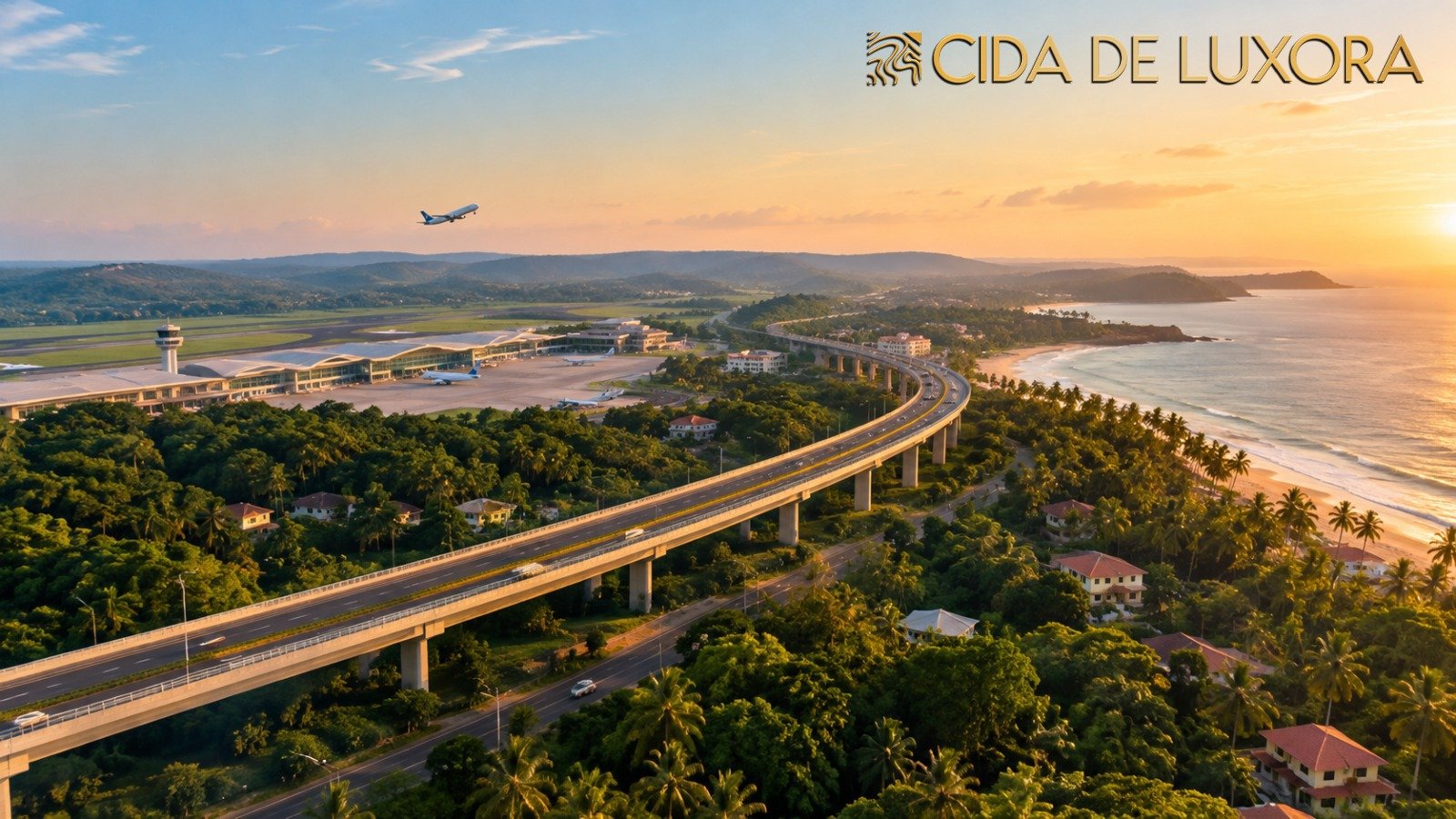
Mopa International Airport
Among the most transformative developments is the opening of Manohar International Airport (Mopa).
The airport has significantly improved regional connectivity by increasing access for both domestic and international travelers.
For tourism destinations located in northern Goa and southern Maharashtra, improved air connectivity can substantially reduce travel friction.
This accessibility is particularly important for:
- Weekend travelers
- High-net-worth individuals
- International visitors
- Experience-seeking tourists
Enhanced connectivity supports higher tourism volumes and contributes to destination competitiveness.
Mumbai-Goa Highway Upgrades
Road infrastructure continues to play a critical role in tourism development.
Ongoing improvements to National Highway 66 are expected to improve travel efficiency and reduce journey times between major urban centers and the Konkan coast.
Better roads typically lead to:
- Increased visitor frequency
- More self-drive tourism
- Greater accessibility for investors
- Stronger regional integration
These factors collectively support the long-term growth of Marine Tourism in Sindhudurg.
Ro-Ro and Coastal Connectivity
The proposed expansion of coastal transportation systems, including Ro-Ro ferry services, represents another important development.
Globally, coastal transport often strengthens tourism by creating new travel routes and improving access to destinations.
Enhanced coastal connectivity could further integrate Sindhudurg into western India’s broader tourism network.
How Tourism Infrastructure Influences Investment Patterns
History demonstrates that major tourism infrastructure projects often influence broader investment trends.
Examples can be observed in:
- Bali
- Phuket
- Maldives
- Dubai
- Mauritius
In each case, tourism development was accompanied by investments in hospitality, transportation, services, and residential real estate.
While every market is unique, certain patterns frequently emerge.
Increased Visitor Demand
Successful tourism attractions attract visitors.
Hospitality Expansion
Growing visitor numbers encourage hotel and resort development.
Service Ecosystem Growth
Restaurants, entertainment venues, wellness centers, and retail businesses expand to meet demand.
Residential Demand
Some visitors eventually transition into second-home owners, long-stay residents, or investors.
These dynamics help explain why policymakers often view tourism infrastructure as a catalyst for wider economic activity.
Marine Tourism in Sindhudurg is beginning to display characteristics commonly associated with emerging tourism destinations.
Tourism-Led Real Estate Trends: Lessons from Global Markets
Tourism and real estate frequently share a close relationship.
In many coastal regions around the world, tourism growth has influenced demand for:
- Vacation homes
- Rental properties
- Boutique hospitality assets
- Wellness retreats
- Mixed-use developments
The mechanism is relatively straightforward.
As visitor numbers increase, awareness grows.
As awareness grows, ownership interest often follows.
While tourism alone does not determine property market performance, it can contribute to increased demand when combined with strong infrastructure, connectivity, and economic fundamentals.
For investors analyzing Marine Tourism in Sindhudurg, it is therefore important to understand tourism as one component of a broader regional growth story.
Key factors to monitor include:
- Visitor arrivals
- Infrastructure investments
- Hospitality announcements
- Government tourism initiatives
- Airport passenger growth
- Transportation upgrades
Taken together, these indicators provide insight into the long-term direction of regional development.
Environmental Sustainability: The Foundation of Long-Term Success
No discussion about Marine Tourism in Sindhudurg would be complete without addressing sustainability.
Tourism growth can create economic opportunities, but it must be managed responsibly.
The success of the INS Guldar project will depend not only on visitor numbers but also on environmental stewardship.
Responsible Diving Practices
Diving operators must maintain high standards regarding:
- Reef protection
- Visitor safety
- Marine conservation
- Waste management
Biodiversity Monitoring
Regular monitoring will be essential to evaluate:
- Coral growth
- Fish populations
- Habitat development
- Water quality
Community Participation
Successful marine tourism destinations often involve local communities in conservation efforts.
When residents benefit directly from tourism, support for environmental protection tends to increase.
This alignment between economic incentives and conservation goals is one of the most promising aspects of Marine Tourism in Sindhudurg.
Challenges That Must Be Addressed
Although the outlook remains promising, several challenges deserve attention.
Seasonal Dependence
Marine activities are influenced by weather conditions and monsoon cycles.
This creates seasonal fluctuations in tourism demand.
Skill Development Requirements
As tourism becomes more sophisticated, workforce training becomes increasingly important.
The region will require:
- Certified diving professionals
- Hospitality specialists
- Marine tourism experts
Environmental Protection
Tourism growth must be balanced with ecological preservation.
Poor management can undermine the very assets that attract visitors.
Infrastructure Readiness
Continued investment will be necessary to support future visitor growth.
Areas such as transportation, healthcare, safety systems, and hospitality infrastructure will remain important priorities.
Addressing these challenges effectively will determine how successfully Marine Tourism in Sindhudurg evolves over the coming decade.
The Future of Marine Tourism in Sindhudurg
The future of Marine Tourism in Sindhudurg appears increasingly linked to a broader vision of coastal development.
INS Guldar is not simply a standalone attraction.
It represents a larger shift toward experiential tourism, marine conservation, and destination diversification.
Looking ahead, several trends are likely to shape the region.
India’s First Submarine Tourism Experience
Plans for submarine-based tourism could make underwater experiences accessible even to visitors who do not dive.
This would significantly expand the potential audience for marine attractions.
International Visibility
Unique attractions often generate media attention and destination awareness.
India’s first underwater museum has the potential to attract interest from domestic and international tourism markets alike.
Growth of Experience-Based Travel
Travelers increasingly prioritize memorable experiences over traditional sightseeing.
Marine tourism aligns strongly with this trend.
Expansion of Coastal Tourism Ecosystems
As visitor numbers grow, additional opportunities may emerge across hospitality, recreation, wellness, education, and conservation sectors.
The result could be a more diversified and resilient regional tourism economy.
A Defining Moment for Sindhudurg’s Coastal Future
The transformation of INS Guldar into India’s first underwater museum marks an important milestone in the evolution of Marine Tourism in Sindhudurg.
What began as a retired naval vessel is now poised to become a symbol of how maritime heritage, environmental stewardship, and tourism innovation can work together to create long-term value.
The significance of this project extends far beyond the attraction itself.
It reflects broader trends shaping India’s coastal regions, including the rise of experiential tourism, increased infrastructure investment, stronger connectivity, and growing interest in sustainable economic development.
For policymakers, the project demonstrates how strategic tourism assets can support regional growth.
For entrepreneurs, it creates opportunities within hospitality, recreation, and marine services.
For investors, it offers insight into how infrastructure and tourism initiatives can influence the long-term trajectory of emerging destinations.
Most importantly, INS Guldar highlights the growing importance of Marine Tourism in Sindhudurg as a component of the district’s future economic identity.
As tourism, connectivity, and infrastructure continue to evolve across the Maha-Goa corridor, Sindhudurg is increasingly positioning itself as one of India’s most interesting coastal growth stories.
The next chapter is no longer about whether marine tourism will shape the region’s future.
It is about how far that transformation can go.
FAQ
1. What is Marine Tourism in Sindhudurg and why is it becoming popular?
Marine Tourism in Sindhudurg refers to tourism activities centered around the district’s coastal and marine resources, including scuba diving, snorkeling, dolphin safaris, boating, beach tourism, underwater exploration, and marine conservation experiences.
The region is gaining national attention because of its pristine coastline, relatively clear waters, growing adventure tourism ecosystem, and the development of India’s first underwater museum through INS Guldar. Combined with improved connectivity through Mopa International Airport and highway upgrades, Marine Tourism in Sindhudurg is emerging as one of Maharashtra’s most promising tourism segments.
2. What is INS Guldar and how does it contribute to Marine Tourism in Sindhudurg?
INS Guldar was a Kumbhir-class Landing Ship Tank of the Indian Navy that served the country for nearly four decades. After being decommissioned, it was selected for transformation into India’s first underwater museum and artificial reef project.
Its conversion creates a unique attraction that combines maritime heritage, marine conservation, and adventure tourism. This project is expected to attract divers, marine enthusiasts, researchers, photographers, and travelers seeking unique experiences, thereby strengthening Marine Tourism in Sindhudurg.
3. Where is the INS Guldar Underwater Museum located?
The INS Guldar underwater museum project is located near Nivati Rocks off the coast of Sindhudurg district, close to Vengurla in Maharashtra.
Its strategic location allows visitors to access the attraction while also exploring other popular destinations including Tarkarli, Malvan, Devbagh, and Vengurla Beach, all of which contribute significantly to Marine Tourism in Sindhudurg.
4. How does an underwater museum work?
An underwater museum is a submerged structure that can be explored by divers or viewed through specialized tourism experiences such as submarines or underwater observation systems.
In the case of INS Guldar, the vessel has been prepared to function both as an underwater heritage attraction and an artificial reef. Over time, marine organisms colonize the structure, creating a living ecosystem that supports Marine Tourism in Sindhudurg while encouraging marine conservation.
5. Why is Marine Tourism in Sindhudurg considered important for the local economy?
Marine Tourism in Sindhudurg generates economic activity across multiple sectors including:
- Hospitality
- Restaurants
- Local transportation
- Water sports operations
- Boat services
- Retail businesses
- Homestays
- Adventure tourism companies
6. What role does scuba diving play in Marine Tourism in Sindhudurg?
Scuba diving is one of the fastest-growing components of Marine Tourism in Sindhudurg.
Destinations such as Tarkarli and Malvan have already established themselves as popular diving locations. The addition of INS Guldar introduces a wreck-diving attraction that could significantly enhance the region’s appeal among domestic and international divers.
Globally, shipwreck diving is considered one of the most sought-after forms of marine adventure tourism.
7. How does the INS Guldar project support marine conservation?
One of the key objectives of the project is the creation of an artificial reef.
Artificial reefs provide habitats for marine organisms, encourage biodiversity growth, and create additional surfaces for coral development. When managed responsibly, projects like INS Guldar can contribute positively to marine ecosystems while supporting Marine Tourism in Sindhudurg.
The project demonstrates how tourism and conservation can coexist when environmental planning is prioritized.
8. What infrastructure developments are supporting Marine Tourism in Sindhudurg?
Several major infrastructure projects are enhancing accessibility and supporting the long-term growth of Marine Tourism in Sindhudurg:
- Manohar International Airport (Mopa)
- Mumbai–Goa Highway upgrades
- Improved regional road networks
- Proposed Ro-Ro ferry services
- Coastal tourism development initiatives
Improved connectivity typically increases tourist arrivals, encourages investment, and strengthens regional competitiveness.
9. How is Marine Tourism in Sindhudurg linked to India’s Blue Economy vision?
India’s Blue Economy strategy focuses on the sustainable use of marine resources for economic growth, employment generation, and environmental protection.
Marine Tourism in Sindhudurg aligns closely with this vision by combining:
- Sustainable tourism
- Marine conservation
- Coastal development
- Employment opportunities
- Maritime heritage preservation
Projects such as INS Guldar demonstrate how coastal districts can participate in the broader Blue Economy framework.
10. What makes Marine Tourism in Sindhudurg different from other coastal destinations in India?
Several factors distinguish Marine Tourism in Sindhudurg:
- India’s first underwater museum
- Established scuba diving ecosystem
- Artificial reef development
- Relatively less crowded beaches
- Strong marine biodiversity
- Proximity to Goa
- Growing tourism infrastructure
Together, these factors create a unique positioning that combines adventure tourism, heritage tourism, eco-tourism, and marine conservation.