Why Invest in Maha Goa: The Rise of a 12-Month Tourism and Real Estate Growth Corridor
A Coastal Economy That Is Changing Faster Than Expected
For decades, Goa was largely viewed as a seasonal tourism destination — a market driven mainly by winter holidays, festive travel, New Year celebrations, and short-term leisure tourism. However, over the last few years, a major structural transformation has begun reshaping the entire North Goa–Sindhudurg belt into what many investors and market observers now describe as the emerging Maha Goa corridor.
Today, to invest in maha goa is no longer simply about buying coastal property near beaches. It is increasingly about understanding a larger tourism-led economic shift powered by infrastructure, aviation connectivity, hospitality expansion, luxury tourism, wellness travel, hybrid work culture, Airbnb demand, and the movement of tourism beyond traditional peak seasons.
Goa officially recorded more than 1 crore tourist arrivals in 2024 and continued strong momentum in 2025, according to the Goa Tourism Department. The state has also been actively repositioning itself from a seasonal beach destination into an experience-led tourism economy focused on wellness tourism, regenerative tourism, eco-tourism, heritage tourism, luxury hospitality, and experiential travel.
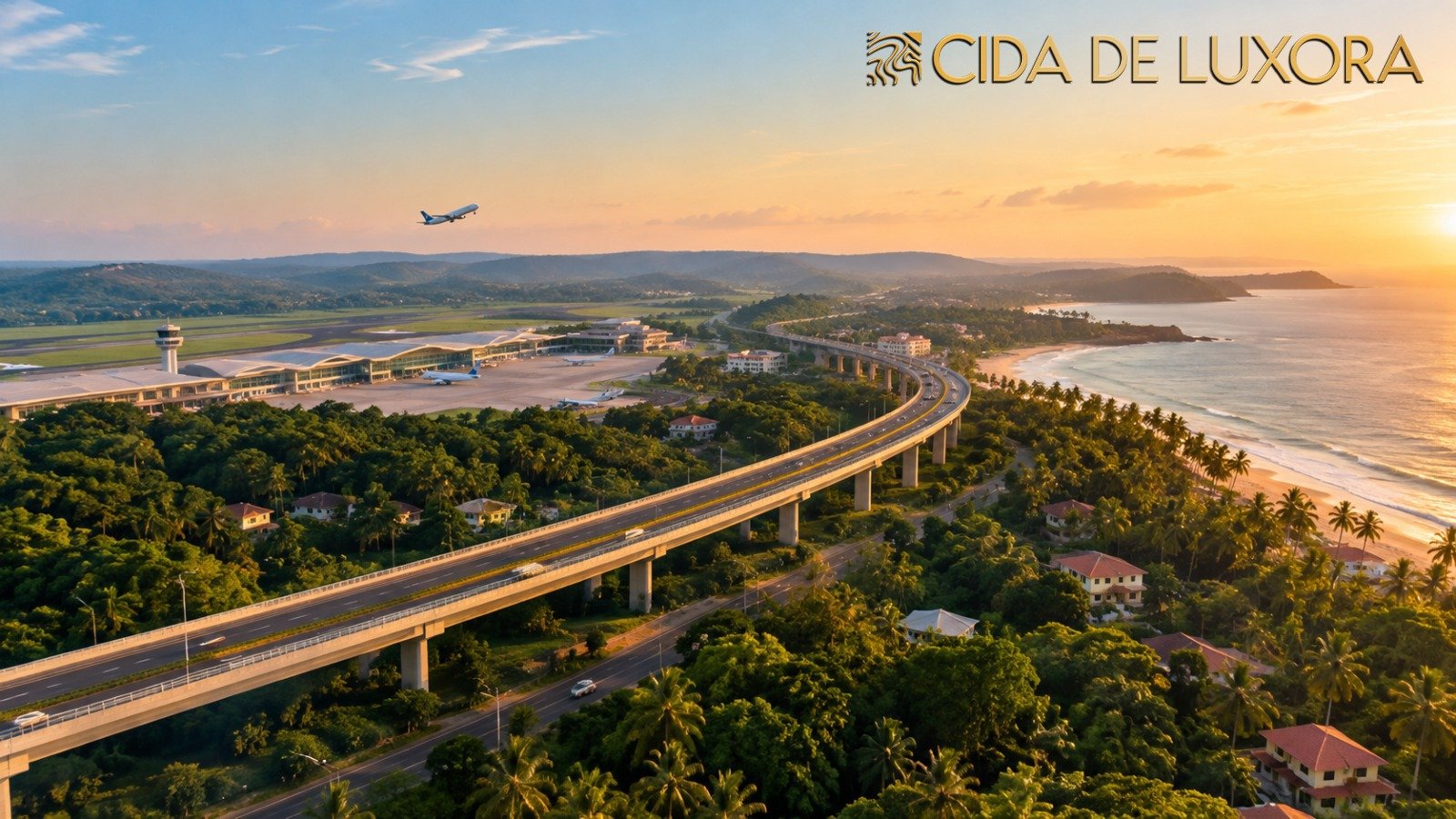
At the same time, nearby regions such as Sawantwadi, Vengurla, Shiroda, and Sindhudurg are increasingly benefiting from Goa’s tourism spillover. Improved connectivity through Mopa International Airport, NH-66 upgrades, and regional airport access through Chipi Airport are bringing a new layer of investor attention toward the broader Maha Goa region.
This transformation matters because tourism growth directly influences hospitality demand, land values, rental yields, luxury villa markets, commercial development, employment generation, and long-term infrastructure investment.
For HNIs, NRIs, businessmen, policymakers, second-home buyers, and strategic investors, the decision to invest in Maha Goa is increasingly becoming a long-term infrastructure and tourism story rather than a short-term speculative opportunity.
India’s Tourism Economy Is Entering a New Phase
India’s tourism sector is evolving rapidly. Earlier, tourism was primarily associated with annual vacations and peak holiday seasons. Today, tourism behavior has changed significantly due to changing lifestyles, hybrid work culture, rising disposable income, digital travel planning, and the increasing demand for experience-led travel.
According to the Ministry of Tourism, domestic tourism continues to remain one of the strongest contributors to India’s travel economy. Travelers are increasingly choosing short-duration trips, weekend getaways, premium experiences, wellness retreats, nature-based tourism, destination weddings, luxury villas, and coastal escapes.
This macro shift is important when evaluating why investors increasingly want to invest in maha goa.
Unlike traditional tourism cycles that depended heavily on winter travel, modern travel demand is distributed more evenly across the year. Long weekends, hybrid work flexibility, remote work culture, wellness retreats, monsoon tourism, music festivals, luxury stays, and social media-driven travel trends are helping tourism destinations remain active for all 12 months.
Goa naturally benefits from this transformation because it already possesses:
- Strong tourism recall value
- International brand recognition
- Established hospitality infrastructure
- Coastal lifestyle appeal
- Nightlife and café culture
- Luxury resort ecosystem
- Airport connectivity
- High repeat tourist inflow
Now, the tourism ecosystem is gradually expanding beyond traditional Goa hotspots into nearby Maha Goa regions including Sindhudurg.
This is one of the strongest reasons investors are beginning to invest in maha goa with a long-term perspective.
Why Maha Goa Is Becoming a 12-Month Tourism Economy
One of the biggest changes taking place in the region is the reduction of tourism seasonality.
Historically, coastal tourism in Goa was heavily concentrated between November and February. However, the tourism economy is now active throughout the year due to multiple new demand drivers.
The Rise of Experience-Led Tourism
Travelers no longer visit coastal destinations only for beaches.
Modern tourists increasingly seek:
- Wellness retreats
- Boutique luxury stays
- Nature-based experiences
- Work-friendly villas
- Long-stay accommodations
- Cultural tourism
- Adventure tourism
- Slow travel experiences
- Private luxury spaces
- Wellness and yoga retreats
- Remote work destinations
This shift is fundamentally changing tourism economics.
Instead of short 2–3 day peak-season visits, many tourists now stay for extended durations, especially remote professionals, startup founders, NRIs, digital entrepreneurs, and luxury travelers.
As a result, investors looking to invest in maha goa are increasingly evaluating opportunities connected to villa plots, boutique hospitality, second homes, wellness spaces, and Airbnb-style accommodations.
Monsoon Tourism Is Becoming Stronger
Monsoon tourism has become another major growth driver.
Goa’s monsoon season now attracts travelers interested in:
- Nature retreats
- Rain experiences
- Wellness stays
- Green landscapes
- Eco-tourism
- Café culture
- Forest experiences
- Luxury privacy stays
- Slow living experiences
This trend reduces dependency on only winter tourism.
For real estate investors, this matters significantly because a destination with year-round tourism creates stronger rental demand and better long-term occupancy potential.
To invest in maha goa today is to participate in a tourism economy that increasingly operates throughout the calendar year.
Workcation Culture Has Changed Coastal Tourism
One of the most powerful post-pandemic shifts has been the rise of workcation culture.
Hybrid work and remote work have allowed professionals to stay longer in scenic destinations while continuing their business operations digitally.
Coastal destinations with airport connectivity, cafés, wellness spaces, villas, strong internet infrastructure, and peaceful surroundings have become highly attractive.
The Maha Goa corridor naturally fits this demand profile.
Travelers increasingly prefer:
- Low-density communities
- Private villas
- Green surroundings
- Better quality of life
- Wellness-oriented environments
- Work-friendly living spaces
- Nature-connected lifestyles
This creates long-term support for plotted developments, luxury villas, second homes, and hospitality-driven real estate.

Goa’s Tourism Growth Numbers Explain the Bigger Story
The numbers coming from Goa Tourism reflect the scale of the transformation taking place.
According to official tourism data:
- Goa recorded more than 1.04 crore tourist arrivals in 2024
- Tourism momentum continued strongly in 2025
- Domestic tourists accounted for the majority of arrivals
- International tourism also showed strong recovery
Domestic Tourism Is Now the Strongest Growth Engine
Domestic tourism is playing a major role in stabilizing Goa’s tourism economy.
Tourists from Mumbai, Pune, Bengaluru, Hyderabad, Delhi, Ahmedabad, and other urban centers increasingly travel to Goa multiple times annually.
Weekend travel culture has expanded significantly due to:
- Better flight connectivity
- Highway improvements
- Rising disposable income
- Hybrid work culture
- Social media influence
- Luxury lifestyle travel trends
This creates a continuous tourism movement throughout the year.
For investors who want to invest in maha goa, this is important because domestic tourism provides recurring and predictable demand.
International Tourism Recovery
International tourism is also recovering steadily.
Goa remains globally recognized for:
- Coastal tourism
- Luxury hospitality
- Nightlife
- Wellness tourism
- Music festivals
- Luxury villas
- Beach tourism
- Experiential travel
As international tourism strengthens further, premium hospitality and luxury rental demand are likely to rise across North Goa and nearby Maha Goa regions.
Infrastructure Is Reshaping the Maha Goa Corridor
Infrastructure development is one of the strongest reasons investors increasingly want to invest in maha goa.
Tourism growth alone does not create long-term investment potential. Sustainable growth happens when tourism expansion is supported by aviation infrastructure, highways, hospitality projects, and connectivity upgrades.
The Maha Goa region is currently witnessing all of these simultaneously.
Mopa International Airport Is Changing Tourism Geography
The development of Manohar International Airport (Mopa Airport) has significantly altered the tourism and investment narrative of North Goa and nearby Maharashtra regions.
Mopa Airport improves access not only to Goa but also to:
- Sawantwadi
- Sindhudurg
- Vengurla
- Shiroda
- North Goa
- Konkan coastal belt
Official aviation data suggests that airport traffic is expected to increase substantially in the coming years.
Airport-led growth often creates long-term impact on:
- Hospitality demand
- Tourism activity
- Commercial development
- Luxury real estate
- Land appreciation
- Rental markets
- Infrastructure investments
This is one of the biggest reasons many long-term investors are beginning to invest in maha goa before the corridor reaches mature pricing levels.
Chipi Airport Adds Another Layer of Connectivity
Sindhudurg Airport (Chipi Airport) further strengthens regional accessibility.
Improved regional air connectivity helps support:
- Weekend tourism
- Business travel
- Hospitality expansion
- Coastal tourism
- Second-home demand
- Premium villa rentals
Dual airport connectivity gives the Maha Goa corridor a strategic advantage that many emerging coastal destinations do not possess.
NH-66 and Highway Connectivity
The Mumbai–Goa Highway and NH-66 connectivity upgrades are also critical.
Improved road infrastructure reduces travel time and increases tourism movement from major urban centers.
Road-based tourism is extremely important for:
- Weekend visitors
- Family travel
- Luxury road trips
- Tourism dispersal
- Villa stays
- Boutique tourism
Better connectivity often accelerates tourism-led real estate growth because accessibility directly influences land demand.
This is why infrastructure development remains central to the decision to invest in maha goa.
Sindhudurg Is Emerging as a Major Tourism Spillover Zone
One of the most important developments taking place is the gradual tourism spillover from Goa into Sindhudurg.
As North Goa becomes more active, many travelers increasingly seek:
- Cleaner beaches
- Lower-density environments
- Nature-led experiences
- Peaceful stays
- Boutique hospitality
- Private luxury spaces
- Eco-tourism
- Wellness retreats
Sindhudurg naturally offers these experiences.
Coastal Destinations in Sindhudurg Are Gaining Visibility
- Vengurla
- Tarkarli
- Malvan
- Shiroda
- Sawantwadi
are increasingly appearing in tourism discussions due to their coastal beauty and lower-density environment.
Adventure Tourism and Marine Tourism Potential
The region is also benefiting from rising interest in:
- Scuba diving
- Water sports
- Marine tourism
- Underwater attractions
- Eco-tourism
- Coastal exploration
The proposed underwater museum and marine tourism initiatives in Sindhudurg could further increase tourism visibility.
As tourism visibility increases, demand for hospitality spaces, villas, plotted developments, and premium land typically strengthens over time.
This is one of the strongest structural reasons why strategic investors increasingly want to invest in maha goa.
Luxury Tourism Is Reshaping Coastal Real Estate Demand
Luxury tourism is becoming one of the defining characteristics of modern coastal destinations.
Travelers increasingly prioritize:
- Privacy
- Space
- Personalized experiences
- Wellness
- Curated hospitality
- Boutique stays
- Long-stay comfort
- Nature-led luxury
This trend has accelerated demand for:
- Luxury villas
- Second homes
- Private estates
- Boutique hospitality projects
- Premium plotted developments
Airbnb and Villa Rental Culture
The rise of Airbnb and short-term rental platforms has transformed coastal tourism economics.
Modern travelers increasingly prefer villas and private stays because they provide:
- Better privacy
- Family-friendly accommodation
- Work-friendly environments
- Group travel flexibility
- Long-stay comfort
- Premium lifestyle experiences
Airbnb India travel trends also show growing demand for group bookings and experiential travel.
This creates long-term support for villa-oriented real estate markets.
For many investors, the ability to combine personal use, rental potential, and long-term land appreciation makes the decision to invest in maha goa increasingly attractive.
HNIs and NRIs Are Looking Beyond Traditional Urban Assets
High-net-worth individuals and NRIs increasingly evaluate real estate through a lifestyle lens.
Many investors now seek assets that provide:
- Lifestyle value
- Emotional value
- Legacy ownership
- Nature access
- Rental potential
- Long-term appreciation
- Multi-generational use
Coastal land markets connected to strong tourism economies often benefit from this shift.
Wellness Tourism and Eco-Tourism Are Supporting Long-Term Demand
Wellness tourism is becoming a major global travel trend.
Travelers increasingly seek:
- Yoga retreats
- Ayurveda experiences
- Slow living
- Nature immersion
- Mental wellness spaces
- Digital detox environments
- Green communities
- Sustainable hospitality
Goa has already established strong recognition in wellness tourism.
Nearby Maha Goa regions, including Sindhudurg, are well positioned to benefit because they offer:
- Coastal greenery
- Lower-density environments
- Natural landscapes
- Peaceful surroundings
- Nature-driven living
This strengthens long-term tourism demand beyond traditional party tourism.
Eco-Tourism Is Expanding
Eco-tourism and responsible tourism are becoming increasingly important among younger travelers and global tourists.
Tourists now value:
- Sustainable travel
- Eco-sensitive hospitality
- Nature conservation
- Green landscapes
- Local culture
- Authentic experiences
As tourism preferences evolve, destinations that preserve natural character often attract premium tourism segments.
This can positively influence hospitality demand, villa markets, and premium plotted developments.
For investors evaluating long-term opportunities, the wellness and eco-tourism ecosystem is another major reason to invest in maha goa.
The Coastal Economy Is Bigger Than Tourism Alone
Tourism-led growth creates ripple effects across multiple sectors.
A growing tourism economy supports:
- Hotels and resorts
- Cafés and restaurants
- Retail businesses
- Co-working spaces
- Wellness centers
- Event venues
- Adventure tourism
- Local transport
- Commercial development
- Employment generation
- Construction demand
- Hospitality jobs
- Lifestyle businesses
This creates a wider coastal economy.
Why Policymakers and Bureaucrats Are Watching Tourism Corridors
Infrastructure-led tourism corridors often generate:
- Regional employment
- Higher economic activity
- Hospitality growth
- Local business expansion
- Better infrastructure development
- Tourism diversification
The Maha Goa region is strategically positioned because it combines tourism potential with infrastructure expansion.
Why Businessmen and Strategic Investors Are Watching Maha Goa
Many businessmen increasingly evaluate tourism corridors through the lens of:
- Long-term land value
- Hospitality demand
- Retail expansion
- Commercial frontage
- Tourism-led consumption
- Emerging infrastructure corridors
The Maha Goa region still remains relatively early in its growth cycle compared to mature coastal tourism markets.
This creates a strategic entry opportunity for investors who prefer long-term positioning.
Why Tourism-Led Real Estate Markets Appreciate Differently
Tourism-led real estate markets behave differently from purely residential urban markets.
Their growth is often driven by:
- Tourism visibility
- Infrastructure expansion
- Accessibility
- Lifestyle demand
- Land scarcity
- Hospitality demand
- Rental economics
- Brand value of the destination
Coastal land remains finite.
As tourism and infrastructure expand, strategically located land parcels often become increasingly valuable over time.
This is one of the core reasons investors continue to invest in maha goa.
Land Offers Long-Term Flexibility
Many investors prefer land because it offers flexibility.
Land can potentially be:
- Held long term
- Developed later
- Used for villas
- Used for hospitality
- Monetized through rentals
- Positioned for second homes
- Passed across generations
In tourism-led corridors, land often benefits from both infrastructure growth and lifestyle demand.
Early Entry Matters in Emerging Corridors
Most mature tourism destinations eventually reach higher pricing levels.
Strategic investors often focus on identifying:
- Emerging tourism belts
- Infrastructure growth zones
- Airport-led corridors
- Coastal expansion regions
- Early-stage hospitality ecosystems
The Maha Goa corridor increasingly fits these characteristics.
This is why many long-term investors view the opportunity to invest in maha goa through a multi-year perspective rather than short-term speculation.
What Could Shape Maha Goa by 2030
Several structural factors could continue supporting growth in the coming years.
Airport Traffic Growth
As aviation traffic increases through Mopa and regional connectivity improves, tourism movement across North Goa and nearby Maharashtra regions could continue expanding.
Hospitality Expansion
Luxury resorts, boutique hospitality, villas, wellness spaces, cafés, and tourism infrastructure are likely to grow further.
Workcation and Lifestyle Migration
Hybrid work culture may continue encouraging professionals to spend longer durations in coastal destinations.
Tourism Diversification
Tourism may continue expanding across:
- Wellness tourism
- Eco-tourism
- Luxury tourism
- Marine tourism
- Adventure tourism
- Cultural tourism
- Long-stay travel
Land Scarcity
Coastal land connected to infrastructure and tourism ecosystems often becomes increasingly limited over time.
For investors evaluating long-term opportunities, these structural drivers continue strengthening the case to invest in maha goa.
Where Cida de Luxora Fits Into the Maha Goa Growth Story
Within this larger tourism and infrastructure transformation, certain locations are increasingly gaining relevance because of their strategic positioning between Goa and Sindhudurg.
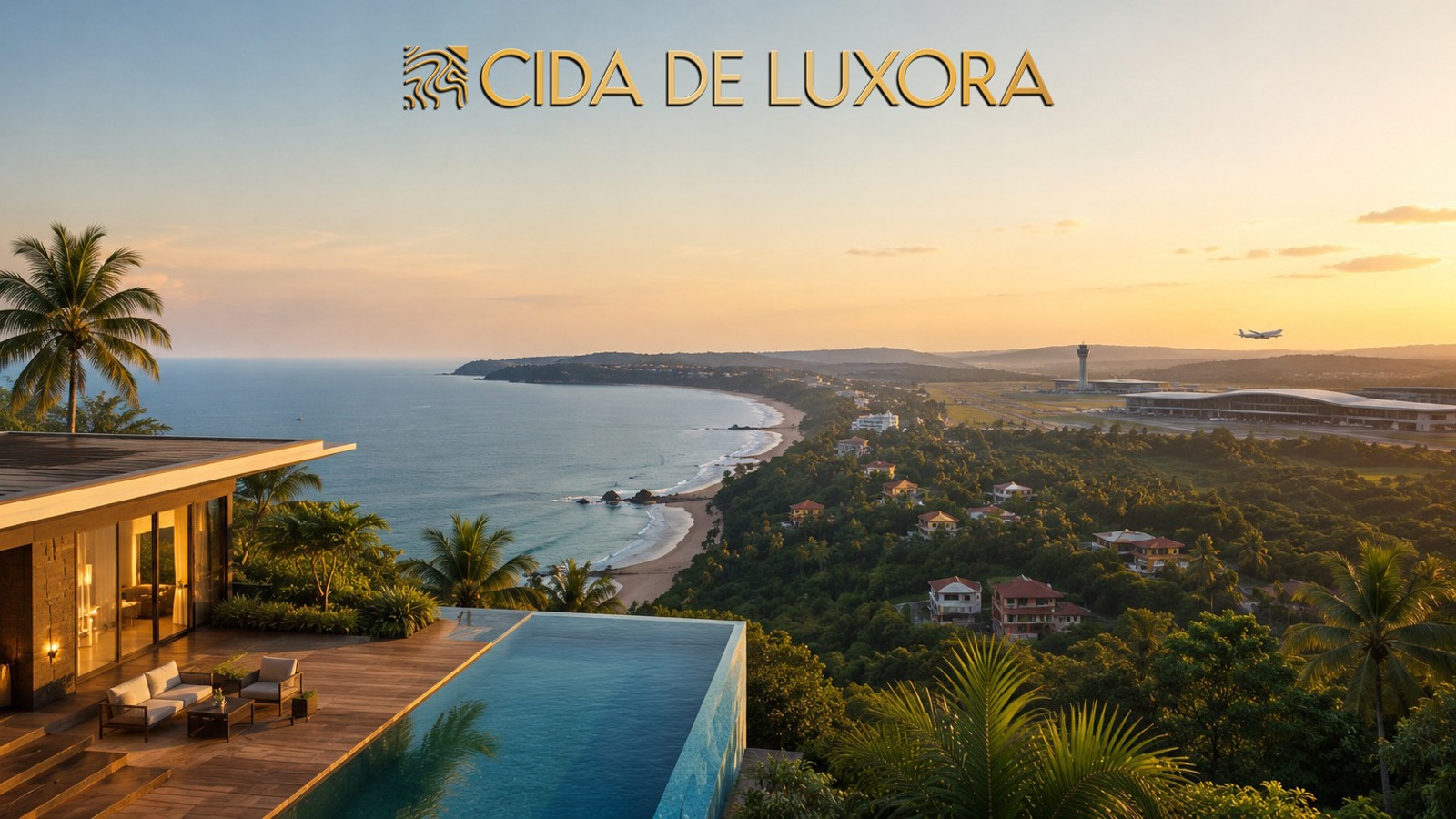
Cida de Luxora is positioned in Sawantwadi near the Maharashtra–Goa border, directly connected to the broader Maha Goa corridor.
According to the project’s investor and buyer documents, the development is located on SH-180 and approximately:
- 2 minutes from NH-66
- Around 30 minutes from Mopa International Airport
- Near Vengurla Beach and coastal tourism zones
The project is designed around luxury villa plots, wellness-oriented living, second-home potential, and low-density community planning.
As the larger Maha Goa tourism economy continues expanding through airport connectivity, hospitality growth, wellness tourism, and lifestyle migration, projects located within this corridor may increasingly benefit from regional tourism momentum.
FAQs
1. Why are investors increasingly choosing to invest in Maha Goa?
The decision to invest in maha goa is increasingly driven by long-term tourism growth, airport connectivity, infrastructure expansion, luxury tourism demand, and rising interest in coastal second homes. Unlike traditional seasonal tourism markets, the Maha Goa corridor — including North Goa and nearby Sindhudurg — is evolving into a year-round tourism and lifestyle destination supported by domestic travel, wellness tourism, Airbnb culture, and workcation trends.
2. What makes Maha Goa different from traditional Goa tourism markets?
Maha Goa represents the larger North Goa–Sindhudurg growth corridor rather than only the traditional Goa tourism belt. The region benefits from Goa’s global tourism visibility while also offering emerging destinations such as Sawantwadi, Vengurla, Tarkarli, Shiroda, and Sindhudurg that provide lower-density environments, cleaner coastal experiences, eco-tourism opportunities, and long-term land potential.
For investors looking to invest in maha goa, this creates a combination of tourism demand and early-stage growth positioning.
3. How is tourism becoming active across all 12 months in Maha Goa?
Tourism in the region is no longer dependent only on winter holidays and festive seasons. The rise of monsoon tourism, wellness retreats, destination weddings, workcations, boutique hospitality, luxury villas, eco-tourism, and long-stay travel is helping tourism remain active throughout the year.
This is one of the biggest reasons strategic investors continue to invest in maha goa as a long-term tourism-led real estate opportunity.
4. How does Mopa International Airport impact Maha Goa real estate?
Mopa International Airport has significantly improved connectivity for North Goa and nearby Maharashtra regions such as Sawantwadi and Sindhudurg. Better airport access generally increases tourism flow, hospitality demand, luxury travel movement, and second-home interest.
Airport-led growth often influences:
- Tourism activity
- Land appreciation
- Villa demand
- Hospitality expansion
- Commercial growth
This is why infrastructure remains a major reason investors want to invest in maha goa.
5. Why is Sindhudurg becoming important in the Maha Goa growth story?
Sindhudurg is benefiting from Goa’s tourism spillover as travelers increasingly explore quieter beaches, eco-tourism zones, marine tourism, and nature-driven destinations outside crowded urban tourism pockets.
Locations such as Vengurla, Malvan, Tarkarli, and Sawantwadi are gaining visibility due to:
- Coastal tourism
- Scuba diving
- Wellness tourism
- Lower-density environments
- Better airport connectivity
This strengthens the long-term case to invest in maha goa.
6. Is Maha Goa suitable for Airbnb and villa rental investments?
Yes. The rise of Airbnb culture, experiential travel, and group tourism has increased demand for private villas, boutique stays, and second homes across coastal destinations.
Travelers increasingly prefer:
- Private villas
- Long-stay accommodations
- Nature-oriented spaces
- Remote-work-friendly homes
- Luxury boutique stays
This trend supports rental-driven investment models for those planning to invest in maha goa.
7. Why are HNIs and NRIs interested in Maha Goa?
Many HNIs and NRIs now evaluate real estate through both financial and lifestyle perspectives. Coastal destinations connected to tourism economies are increasingly viewed as:
- Legacy assets
- Lifestyle investments
- Wellness-oriented escapes
- Long-term land holdings
- Rental-generating second homes
The Maha Goa corridor combines tourism visibility with emerging infrastructure growth, making it attractive for long-term ownership.
8. How do workcation and wellness tourism trends support Maha Goa?
Hybrid work culture has changed travel behavior significantly. Many professionals now stay for extended periods in coastal destinations while continuing to work remotely.
At the same time, wellness tourism is rising globally through:
- Yoga retreats
- Ayurveda tourism
- Nature stays
- Slow living experiences
- Eco-conscious travel
This helps tourism remain active throughout the year and supports long-term hospitality and villa demand across the Maha Goa corridor.
9. Why do tourism-led real estate corridors appreciate differently?
Tourism-driven real estate markets often grow through a combination of:
- Infrastructure expansion
- Accessibility improvements
- Hospitality demand
- Land scarcity
- Lifestyle migration
- Tourism visibility
- Rental potential
Coastal land connected to airports, highways, and tourism ecosystems can benefit from long-term appreciation cycles. This is why many investors strategically choose to invest in maha goa before the corridor matures fully.
10. What is the long-term future outlook for Maha Goa?
The long-term outlook for Maha Goa is closely connected to infrastructure growth, airport traffic expansion, tourism diversification, hospitality development, and increasing demand for premium coastal experiences.
Future growth drivers may include:
- Mopa Airport expansion
- NH-66 upgrades
- Wellness tourism
- Luxury hospitality
- Marine tourism
- Eco-tourism
- Boutique villas
- Workcation demand
- Coastal second-home ownership
For long-term investors, the opportunity to invest in maha goa lies in understanding how tourism, infrastructure, and land value creation evolve together over time.
Why Investors Are Closely Watching Maha Goa
The decision to invest in maha goa is increasingly being driven by long-term structural changes rather than temporary tourism trends.
The region is evolving through a rare combination of:
- Tourism diversification
- Infrastructure growth
- Airport connectivity
- Hospitality expansion
- Wellness tourism
- Luxury travel
- Airbnb culture
- Coastal lifestyle demand
- Workcation trends
- Emerging real estate activity
Importantly, the Maha Goa corridor is still relatively early in its broader growth cycle compared to many mature tourism destinations.
For HNIs, NRIs, policymakers, businessmen, luxury second-home buyers, and long-term investors, the opportunity lies not only in tourism growth itself, but in understanding how tourism, infrastructure, and coastal real estate ecosystems evolve together over time.
Projects such as Cida de Luxora represent how this new generation of tourism-led coastal development is beginning to take shape across the Maha Goa region — where luxury living, wellness-oriented environments, connectivity, and long-term land ownership are increasingly becoming part of a larger lifestyle and investment narrative.