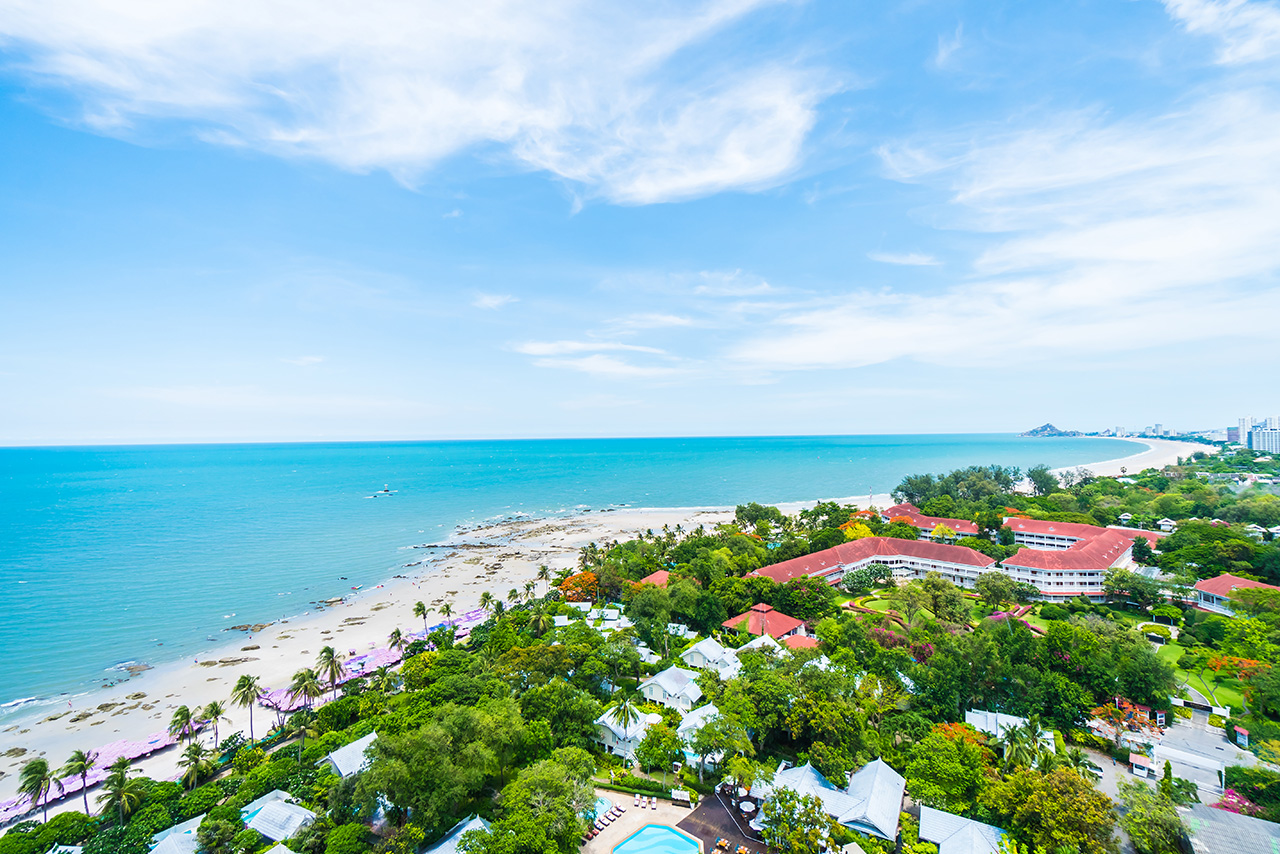
Goa Plots: Why Winter 2025 Is the Best Time to Invest in India’s Cleanest Coastal Realty Zone
Winter is when India’s air-quality divide becomes impossible to ignore. While Delhi-NCR and several northern metros often slip into “Very Poor” and “Severe” AQI bands, Goa typically stays in the “Good” range, with clear skies and comfortable temperatures. That difference isn’t just about comfort—it moves families, reshapes long-term housing demand, and steadily redirects capital into Goa plots across North Goa and the adjoining Sindhudurg (Maha-Goa) belt. This comprehensive guide explains the “why now” with data you can verify, a due-diligence checklist you can use on site this winter, and an evidence-based look at risk, regulation, and appreciation drivers.
The Winter Reality Check: AQI, Visibility, and Why Site Visits Matter
Why winter checks beat monsoon checks for most buyers:
- True day-to-day experience: In winter, you feel the ambient environment you’ll live with most of the year—breezes off the sea, midday warmth, evening quiet.
- Infrastructure clarity: Dry roads and open skies make it easy to inspect internal lanes, streetlighting, and power/water provisioning.
- Safety and timing: You can test commute times to/from MOPA or Sawantwadi Road station during actual tourist flows, not theoretically.
Air Quality = Asset Quality (And Why It Shapes Price Trajectories)
Clean air now functions like a moat. Even if reports vary on precise “x-times” multipliers, the directional conclusion is consistent across market intelligence: Goa plots in low-AQI belts attract more end-use demand and stickier long-term occupancy. Families who relocate for health and lifestyle don’t churn quickly; they build lives—schools, routines, micro-businesses—around cleaner air and lower stress.
How low AQI compounds value over time:
- Demand resilience: In downturns, healthy-living geographies remain on buyer shortlists.
- Health economics: Lower incidence of respiratory illness and better wellbeing correlate with reduced household healthcare spend (see NITI Aayog dashboards).
- Tenant quality: For villa-style assets, long-stay guests and WFH professionals prefer breathable microclimates.
- Intergenerational appeal: Parents care about kids’ lungs; retirees care about comfort and access. Both find answers in Goa plots.
From “Holiday Address” to “Connected Capital”: Airports, Highways, and Rail
Infrastructure has altered the Goa equation. With two airports serving the belt, a strengthened highway spine, and the Konkan Railway’s reliability, the region sustains not only seasonal tourism but also year-round living.
Airports
- Manohar International Airport (MOPA): Expands direct domestic/international connectivity for North Goa and border zones.
- Sindhudurg Airport (Chipi): Serves Pune/Mumbai and central Maharashtra, enabling quick winter getaways and faster site access.
Road
- NH-66 Mumbai–Goa corridor: Four-lane improvements across key sections smoothen travel from Mumbai and Pune.
- State highways such as SH-180: Stitch inland green areas to beaches and the national corridor.
Rail
- Konkan Railway (KRCL): Sawantwadi Road, Pernem, Thivim—linking neighbourhoods with reliability and scenic commutes.
Bottom line for Goa plots: improved access expands the buyer pool, supports build timelines, and enhances both resale and rental prospects.
Policy Guardrails That Protect Your Money: CZMP, TCP, and Coastal Planning
Unlike markets where speculative supply outruns infrastructure, Goa’s policy framework emphasises low-rise forms, environmental buffers, and regulated growth.
- Coastal Zone Management Plan (CZMP): Defines permissible development near the coast; protects critical ecosystems.
- Goa Town and Country Planning (TCP): Governs zoning, density, and building controls that keep neighbourhoods liveable.
- Sagarmala (Coastal Connectivity): Improves mobility without inviting heavy industrial sprawl into sensitive cells.
- Sindhudurg District Development orientation (Maharashtra): Prioritises eco-tourism, plotted housing, and boutique, low-impact commercial clusters.
Takeaway: In the long run, policy predictability reduces risk and preserves the character that sustains premiums for Goa plots.
Economics in Plain Sight: How Goa Plots Stack Up vs Major Metros
When you compare land in low-density, clean-air regions with land in high-density, polluted metros, the logic of appreciation becomes visible.
Directional comparison (indicative, for framing):
- AQI and liveability: Goa winters commonly sit in the “Good” band; NCR spends weeks in “Very Poor/Severe.”
- Density: Goa’s low people-per-km² means infrastructure isn’t constantly overwhelmed.
- Yield: Well-located villas or studios in coastal belts can tap a mix of medium/long-stay demand.
- Hold quality: End-use buyers and long-stay tenants anchor stability better than transient users.
Core insight: The “premium” in Goa plots isn’t a marketing trick. It’s a function of clean air, finite land, and improved access colliding at the right moment.
The Green Infrastructure Edge: Forest Cover, Rain, and Groundwater
The Forest Survey of India (2023) confirms Goa’s high green-cover ratio. Combine that with ~2,500–2,800 mm of annual rainfall (IMD), a lateritic geology that supports percolation, and daily sea-breeze circulation, and you get a micro-climate that stays verdant through the winter and resets itself during the monsoon.
Why this matters to buyers of Goa plots:
- Landscape that lasts: Mature trees, shaded by-lanes, and robust gardens are not seasonal illusions.
- Resource resilience: Rain harvesting, percolation pits, and native landscapes ease long-term water stress.
- Thermal comfort: Cross-ventilation and shading strategies deliver naturally cooler interiors.
Who’s Buying—and What They Value
A post-pandemic JLL India readout shows a decisive tilt toward health, nature access, and flexible work-life setups. That sentiment shows on the ground in Goa: more families deciding that clean air and a calmer rhythm are worth re-anchoring around.
Buyer profiles across the belt (not developer-specific):
- Hybrid-work families (30–45): Seeking a “primary-plus” life—good schools, hospital access, fiber internet, and a garden.
- NRIs/HNIs: Diversifying into physical assets that defend against currency swings and inflation with a lifestyle upside.
- Retirees: Prioritising oxygen-rich mornings, walkability, and year-round climate comfort.
- Entrepreneurial buyers: Building flexible villas that can host boutique workspaces or rentable annexes where permissible.
Emotional truth: Many buyers reach for Goa plots when they realise they’re done trading their lungs for commutes. “I want my kids to cycle outside,” as one father put it. That’s not romance—it’s a plan.
The “Green Economy” Effect on Returns
UNEP’s work on sustainable real estate indicates that assets in cleaner, climate-resilient geographies tend to attract stickier capital and maintain occupancy advantages. In practical terms, that’s fewer vacant months, more repeat stays, and better tenant profiles for villas or home-office hybrids. It also amplifies resale narratives because you’re selling not just a built form, but an everyday breathing experience future buyers increasingly prioritise.
Goa plots benefit from structural inflows—domestic end-users, wellness relocators, and long-stay professional segments—not just tourist weekend swings.
Winter 2025 Field Checklist: How to Evaluate Goa Plots Like a Pro
Carry this list on your phone and tick it off on site:
Access & mobility
- Time the drive from MOPA and from Sawantwadi Road / Thivim at noon and at 6–7 pm.
- Verify last-mile road width, shoulders, and streetlighting.
- Confirm consistent ride-hailing and delivery-service coverage.
Land & engineering
- Identify the plot’s highest/lowest points; walk natural drainage lines.
- Ask for contour maps or grading/road-section drawings if available.
- Check culverts, scuppers, and outfalls—where does stormwater go?
Utilities
- Inspect power cable routes, transformer siting, and water line proximity.
- Confirm fiber internet options and mobile signal strength at the plot.
- Ask about backup power norms in the locality.
Legal & regulatory
- Cross-verify title, mutation, survey plan, zoning/TCP letters, and encumbrance certificate with an independent advocate.
- Understand any CRZ implications; verify buffers if near a beach, creek, or river.
Environmental comfort
- Use a portable AQI meter; aim for readings under ~60 on normal days.
- Track wind corridors and shade from existing trees.
- Visit again at dusk to assess ambient noise and light.
Neighbourhood signals
- Medical access (clinic/hospital), groceries, and pharmacies within practical reach.
- School routes and bus connectivity.
- Signs of year-round living (not just holiday-season houses).
Risk Controls Specific to Coastal Land
CRZ & setbacks: Respect High Tide Line (HTL) buffers and stream margins. Always ask to see demarcation pegs on ground.
Soil & subsoil: Lateritic soils perform well with proper grading; avoid low bowls with no engineered outfalls.
Encumbrances: Seek a 30-year title search; scrutinise any overlapping claims, easements, or rights-of-way.
Operations & maintenance: Clarify who maintains internal roads, lights, and greens post-handover.
Material durability: Plan coastal-grade finishes—anti-corrosive treatments, stainless/UPVC fittings, breathable external paints.
Building Better on Goa Plots: Coastal-Grade Design Notes
Structure & envelope
- Increase reinforcement cover and specify corrosion-resistant steel where exposed.
- Use deep eaves and verandahs; prioritise cross-ventilation over blind mechanical cooling.
- Choose breathable plasters/finishes suited to humidity and salt air.
Drainage & water
- Design swales, rain gardens, and percolation pits to slow, spread, and sink runoff.
- Capture roof water into storage or recharge pits; dedicate a line for landscape irrigation.
- Ensure plinth height and patio falls direct water away from the home.
Landscape & biodiversity
- Layer native species—coconut, areca, casuarina, frangipani—suited to salt spray and wind.
- Plant for shade, wind-breaks, and wildlife value; avoid water-hungry lawns.
Energy & digital
- Plan for rooftop PV, inverter rooms, EV charging, and mesh Wi-Fi.
- Add acoustic insulation to a dedicated home-office room to enable calls during windy evenings.
These details reduce long-term OPEX, raise comfort, and help preserve resale desirability.
The Six-Point Appreciation Flywheel
- Clean-air moat: Not replicable in dense metros; demand concentrates where people breathe better.
- Two-airport access: MOPA and Chipi expand reach; more buyers can visit, rent, or live year-round.
- Finite coastal land: Scarcity, especially near beaches and state highways, intensifies as interest climbs.
- Hybrid-work migration: Converts seasonal use into primary living for a subset of households—stabilises demand.
- Hospitality halo: Boutique hotels/cafés elevate neighbourhood brand and convenience.
- Policy guardrails: CZMP/TCP frameworks reduce risk of chaotic oversupply.
Implication: Over 5–10 years, well-chosen Goa plots benefit from both end-use stickiness and capital appreciation driven by quality-of-life arbitrage.
Micro-Market Shortlisting Framework (Project-Neutral)
Use these filters to shortlist Goa plots without naming brands:
- ≤45 minutes to an airport (MOPA/Chipi) and ≤15 minutes to a Konkan Railway node.
- Direct or quick access to NH-66 or SH-180, not a maze of unlit lanes.
- Gentle elevation with drainable slopes; avoid deep bowls unless engineered.
- Amenity belt within 10–20 minutes: beaches, groceries, a clinic, a school, and a police outpost.
- Documentation discipline: clean 7/12s, mutation entries, survey accuracy, and clear zoning.
- Year-round life: evidence of daily services, not just seasonal operations.

Holding, Operating, Exiting: Practical Strategies
Hold & enjoy
- Primary residence with a guest suite for family or caregivers.
- “Primary-plus” living (8–10 months) with city travel as needed.
Operate (where zoning permits)
- Boutique long-stays for winter retirees or WFH professionals.
- Wellness-oriented residencies with garden studios or yoga decks.
Exit
- Land-bank pure plot for 3–7 years tied to clear infrastructure milestones (route expansions, junction upgrades).
- Develop a finished villa with coastal-grade detailing and exit to end-users for a higher blended IRR.
Always validate permissions and business models with local counsel and by-laws.
Cost Heads You Should Budget For (Beyond the Land Cheque)
Acquisition
- Stamp duty, registration, legal diligence, and surveying.
- Share of internal infrastructure (if a serviced plotted development).
Build
- Architectural, structural, MEP, and landscape consultants.
- Coastal-grade finishes, rain harvesting, wastewater systems, solar readiness.
- Security, gates, and perimeter lighting.
Ongoing
- Property tax, caretaker wages, garden and façade upkeep (coastal exposure).
- Utility bills and community association fees (if gated).
Contingency
- Keep 10–12% for unknowns: subsoil surprises, spec upgrades, or code changes.
Why 2025 Is a Smart Entry Window
- Policy stability + new connectivity are already in place; this isn’t speculative.
- Demand visibility is strong—winter traffic is not just tourist-led, but also family relocations and NRI site visits.
- Denser metros face liveability constraints that redirect a slice of qualified demand to low-AQI coasts.
- Public data access (CPCB/IMD) has made due diligence transparent for end buyers, lifting confidence.
Add to this the consistent narrative in market research (Knight Frank, CREDAI, JLL) that wellness-aligned assets remain on buyer shortlists, and you have a durable, verifiable case for well-located Goa plots in 2025.
(FAQ)
1) Why are winters the best time to evaluate Goa plots?
Because visibility, climate comfort, and access are at their best—so you can judge real conditions.
2) Is Goa’s air quality truly better than in northern metros during winter?
Yes. CPCB data shows Goa often in the “Good” band while northern metros face “Very Poor/Severe” spells.
3) Can NRIs buy Goa plots?
NRIs of Indian origin can buy non-agricultural property under FEMA/RBI norms; always consult a local advocate for documentation and taxes.
4) What appreciation should I realistically expect?
Depends on micro-market and access. Well-connected corridors historically show stronger trajectories than isolated pockets.
5) What risks should I watch near the coast?
CRZ buffers, encumbrances, poor drainage, and unlit last-mile access. Validate with MoEFCC references and TCP letters.
6) Are there incentives for green buildings?
While direct subsidies vary, IGBC/GRIHA-aligned design reduces OPEX and improves long-term comfort—valuable at resale.
7) Is fiber internet reliable?
Main corridors and many gated layouts have fiber; confirm providers on ground and test speeds at the plot.
8) Should I buy a smaller apartment or a larger plot?
If you want custom design, gardens, and air/space control, Goa plots provide flexibility apartments can’t match; if low maintenance is priority, compare total lifecycle costs.
9) How important is elevation?
Very. Prefer gentle, drainable slopes with engineered outfalls. Avoid low bowls or sites with no evident grade management.
10) How close should I be to airports/rail?
As a rule of thumb, ≤45 minutes to an airport and ≤15 minutes to a Konkan Railway node keeps mobility practical year-round.
If you’re shortlisting Goa plots this winter, anchor your decision on what endures: air quality, access, policy clarity, and everyday liveability. These are not soft factors; they are the invisible engines of long-term appreciation and life satisfaction.
For a guided, transparent experience of this corridor, you can schedule a winter site visit at Cida De Luxora—an 11-acre, Roman-inspired gated ecosystem near NH-66/SH-180 that brings together luxury villa plots, boutique retail, and premium office spaces in an eco-sensitive masterplan.
See What Clean Air Feels Like.
When Delhi hides behind haze, Goa opens its skies.
This winter, don’t just scroll through listings — walk the land, breathe the difference, and feel what ‘Good AQI’ truly means.
Visit the Cida De Luxora estate — a Roman-inspired, eco-planned 11-acre community on NH-66 and SH-180 that defines sustainable luxury.
Schedule a Winter Site Visit
Experience 45 minutes of fresh air that could change how you think about real estate.