The Future of Tourism Is Experience-Led — Why Vengurla Fits the Trend
The New Era of Travel Has Arrived
The global tourism industry is undergoing a profound transformation. For decades, travel was largely centered around iconic landmarks, sightseeing itineraries, and checking destinations off a bucket list. Today, however, travelers are seeking something far more meaningful. They are looking for authentic connections, immersive cultural encounters, wellness experiences, and destinations that offer a sense of place rather than simply a place to visit.
This shift has given rise to experience-led tourism, one of the most influential forces shaping the future of global travel.
According to the World Travel & Tourism Council (WTTC), the travel and tourism sector contributed more than US$11 trillion to the global economy in 2025, representing nearly 10% of global GDP. Increasingly, this growth is being driven by travelers prioritizing experiences over traditional tourism products.
As travelers redefine what makes a destination valuable, emerging coastal regions that offer authenticity, nature, culture, and wellness are gaining attention. Among them, Vengurla, located along Maharashtra’s scenic Konkan coastline, stands out as a destination naturally aligned with the future of experience-led tourism.
Understanding the Rise of Experience-Led Tourism
What Is Experience-Led Tourism?
Experience-led tourism refers to travel that focuses on meaningful participation, personal enrichment, and authentic engagement with local communities, culture, and environments.
Instead of simply observing a destination, travelers want to:
- Learn local traditions
- Explore regional cuisine
- Connect with communities
- Participate in cultural activities
- Experience wellness and nature
- Create memorable stories
The concept is closely linked to the “Experience Economy,” where consumers increasingly value memorable experiences over material possessions.
Why Experiences Matter More Than Destinations
Modern travelers are increasingly asking:
“What can I experience?”
rather than
“Where should I go?”
Research from Booking.com indicates that travelers are becoming more intentional about the impact, meaning, and quality of their journeys.
Travel today is associated with:
- Personal growth
- Well-being
- Learning
- Community engagement
- Environmental awareness
This evolution has accelerated the growth of experience-led tourism across global markets.
Tourism Trends Defining the Future
The Rise of Slow Travel
One of the strongest drivers of experience-led tourism is the growing popularity of slow travel.
Rather than rushing through multiple destinations, travelers increasingly prefer:
- Longer stays
- Fewer locations
- Deeper engagement
- Local immersion
Slow travel encourages visitors to understand a destination’s culture, cuisine, people, and rhythms.
This trend has created demand for destinations offering peace, authenticity, and natural beauty—qualities increasingly difficult to find in highly commercialized tourism hubs.
Wellness Tourism Becomes Mainstream
Wellness tourism has evolved from a niche market into a major global industry.
Travelers now seek:
- Yoga retreats
- Ayurveda programs
- Meditation experiences
- Digital detox escapes
- Nature-based healing
According to the Global Wellness Institute, wellness tourism continues to outperform many traditional travel segments.
The growth of wellness-focused travel further reinforces the expansion of experience-led tourism, where emotional and physical well-being become central travel motivations.
Sustainability Influences Travel Decisions
Sustainability is becoming a defining factor in tourism planning.
Booking.com research found:
- 73% of travelers want tourism spending to benefit local communities.
- 69% want to leave destinations better than they found them.
- 53% are increasingly aware of tourism’s impact on residents.
As a result, travelers are rewarding destinations that protect:
- Natural ecosystems
- Local culture
- Community livelihoods
This trend is reshaping the future of experience-led tourism worldwide.
Cultural Immersion Is the New Luxury
Luxury today is increasingly defined by access to authentic experiences.
Affluent travelers are seeking:
- Local storytelling
- Heritage experiences
- Indigenous traditions
- Regional cuisines
- Artisan craftsmanship
Authenticity has become one of the most valuable assets in experience-led tourism, particularly among HNIs, UHNWIs, entrepreneurs, and global travelers.
Why Affluent Travelers Are Driving Experience-Led Tourism
Luxury Has Been Redefined
Traditional luxury focused on:
- Five-star hotels
- Premium shopping
- Urban prestige
Modern luxury emphasizes:
- Privacy
- Nature
- Space
- Wellness
- Personalization
- Exclusivity
This shift is a major catalyst behind the growth of experience-led tourism.
Today’s affluent traveler often prioritizes:
- Private villas
- Wellness retreats
- Boutique hospitality
- Nature-rich destinations
over conventional tourism experiences.
The Rise of Lifestyle-Driven Travel
Millennials, Gen Z professionals, entrepreneurs, and NRIs increasingly blend work, leisure, and lifestyle.
Popular trends include:
- Workcations
- Remote working
- Flexible living
- Seasonal relocation
- Second-home ownership
Destinations capable of supporting these evolving lifestyles are becoming important beneficiaries of experience-led tourism demand.
The Emergence of New Coastal Destinations
A Global Tourism Pattern
Across the world, many successful tourism markets have followed a similar journey:
- Discovery
- Infrastructure growth
- Hospitality development
- Lifestyle migration
- Real estate expansion
Destinations such as:
- Algarve
- Costa Rica
- Bali
- Phuket
experienced significant growth after travelers began seeking authentic experiences beyond traditional tourism hotspots.
This pattern demonstrates the long-term economic impact of experience-led tourism.

Why Vengurla Fits the Experience-Led Tourism Trend
A Destination Defined by Authenticity
Situated along Maharashtra’s Konkan coastline, Vengurla offers a rare combination of:
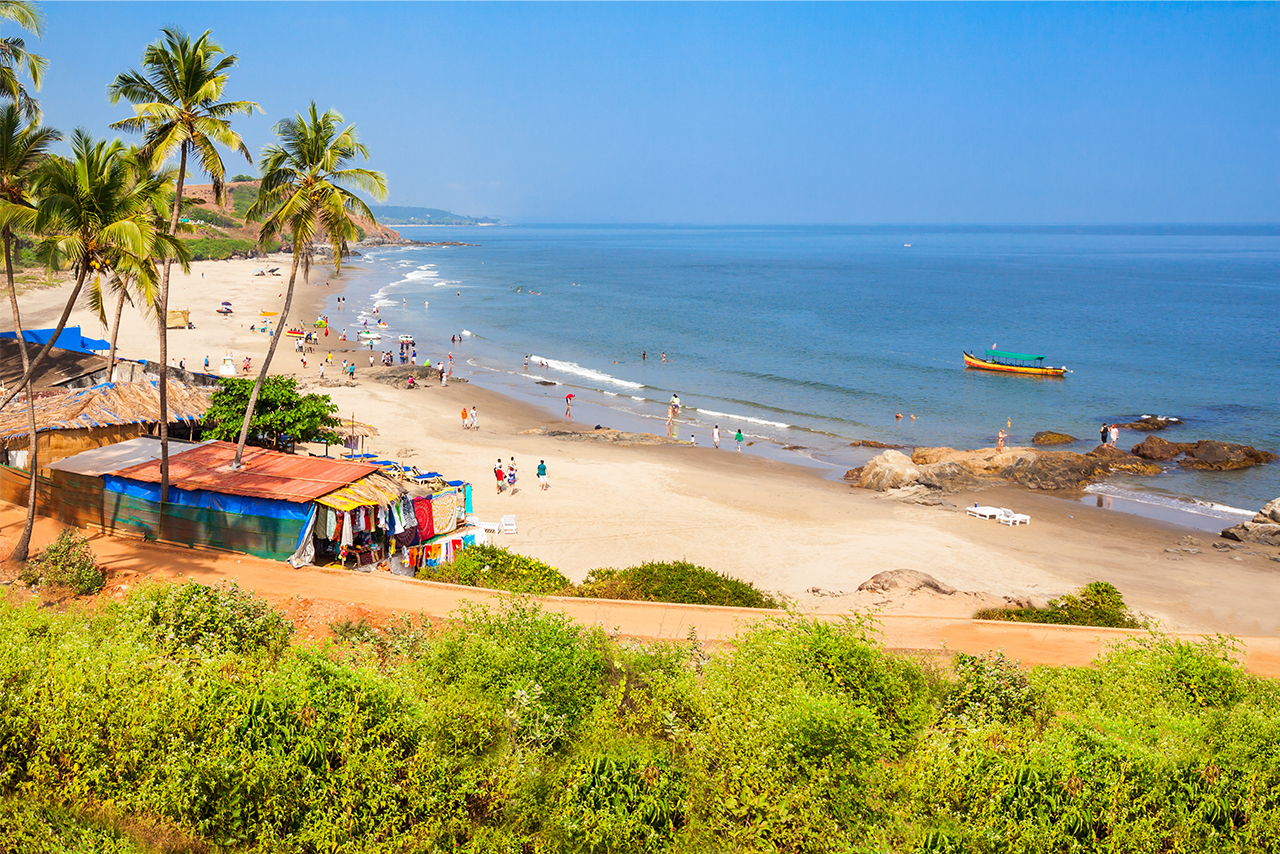
- Untouched beaches
- Coastal landscapes
- Traditional communities
- Rich cultural heritage
- Slow-paced lifestyle
These qualities align perfectly with the principles of experience-led tourism.
Unlike destinations built around tourism, Vengurla’s appeal emerges organically from its natural and cultural assets.
Natural Beauty and Biodiversity
Vengurla is surrounded by:
- White-sand beaches
- Coconut groves
- Cashew plantations
- Coastal forests
- Marine ecosystems
The region’s connection to the Western Ghats biodiversity corridor further enhances its ecological significance.
These natural assets create opportunities for:
- Eco-tourism
- Nature retreats
- Coastal exploration
- Wildlife observation
- Regenerative tourism
As travelers increasingly prioritize nature, Vengurla’s appeal within experience-led tourism continues to strengthen.
Cultural Richness and Konkani Heritage
Culture plays a central role in experience-led tourism.
Vengurla offers visitors opportunities to experience:
- Konkani traditions
- Coastal village life
- Local festivals
- Traditional architecture
- Regional crafts
Such experiences provide the authenticity modern travelers increasingly seek.
Culinary Experiences Rooted in Place
Food tourism has become one of the fastest-growing segments within experience-led tourism.
The Vengurla region is known for:
- Malvani cuisine
- Fresh seafood
- Kokum-based dishes
- Cashew products
- Mango orchards
- Traditional Konkani recipes
For travelers, food is no longer simply part of a trip—it often becomes a reason for travel itself.
Wellness and Slow Living Appeal
The rise of wellness travel has created demand for destinations offering tranquility and rejuvenation.
Vengurla naturally supports:
- Yoga retreats
- Meditation programs
- Ayurveda experiences
- Nature-based wellness
- Digital detox tourism
Its peaceful coastal setting aligns strongly with future experience-led tourism preferences.
Infrastructure Supporting Future Growth
Improved Connectivity
Accessibility is one of the most important factors influencing tourism growth.
The broader Maha-Goa region benefits from:
- Improved road connectivity
- National Highway access
- Enhanced regional transportation
- Improved airport connectivity
The opening of Manohar International Airport has significantly improved access to North Goa and the surrounding coastal regions, including Vengurla.
Growing Hospitality Ecosystem
As experience-led tourism grows, destinations often see expansion in:
- Boutique hotels
- Wellness resorts
- Homestays
- Luxury villas
- Experience-focused hospitality
Such developments contribute to tourism diversification while creating local employment opportunities.
Tourism as an Economic Catalyst
Beyond Visitor Spending
Tourism creates value across multiple sectors:
- Hospitality
- Transportation
- Retail
- Food services
- Construction
- Local entrepreneurship
According to the WTTC, tourism remains one of the world’s strongest economic multipliers.
The growth of experience-led tourism further amplifies these benefits by encouraging longer stays and deeper local engagement.
Community-Centered Development
One of the defining characteristics of experience-led tourism is its ability to distribute economic benefits more broadly.
Visitors increasingly spend money on:
- Local guides
- Artisans
- Family-run businesses
- Cultural experiences
- Regional food producers
This creates more inclusive and sustainable tourism ecosystems.
What Experience-Led Tourism Means for Real Estate
The Tourism-Real Estate Connection
Globally, tourism often acts as a catalyst for real estate demand.
Travelers frequently evolve into:
- Repeat visitors
- Seasonal residents
- Lifestyle buyers
- Second-home owners
- Investors
This relationship has been observed across numerous tourism-driven markets.
Growing Demand for Experiential Hospitality
The expansion of experience-led tourism is creating opportunities in:
- Wellness resorts
- Boutique hospitality
- Eco-retreats
- Branded residences
- Luxury villa communities
Travelers increasingly seek accommodations that become part of the experience itself.
The Rise of Coastal Lifestyle Assets
Coastal regions are benefiting from growing demand for:
- Lifestyle-oriented investments
- Wellness-focused living
- Flexible work environments
- Nature-connected communities
As experience-led tourism continues to expand, destinations that combine accessibility, authenticity, and sustainability are likely to attract increasing interest.
Why Vengurla Represents a Destination to Watch
Several powerful trends are converging simultaneously:
- Experience-led tourism
- Wellness travel
- Sustainable tourism
- Coastal living
- Lifestyle migration
- Improved accessibility
Vengurla’s appeal lies not in mass tourism but in its ability to deliver the qualities modern travelers increasingly value.
Its combination of:
- Natural beauty
- Cultural authenticity
- Coastal charm
- Wellness potential
- Tourism growth
positions it within some of the strongest trends shaping the future of experience-led tourism.
The future of global travel is increasingly being shaped by experiences rather than attractions. Travelers today seek authenticity, connection, wellness, culture, and meaningful engagement with destinations.
This transformation has established experience-led tourism as one of the most important forces influencing tourism development, hospitality investment, and destination growth worldwide.
As the travel industry continues evolving, destinations that offer genuine cultural richness, natural beauty, sustainable practices, and immersive experiences are likely to play a larger role in the tourism landscape.
Vengurla reflects many of these emerging characteristics. Its blend of coastal tranquility, Konkani heritage, biodiversity, wellness potential, and improving accessibility positions it naturally within the broader movement toward experience-led tourism.
For investors, business leaders, hospitality operators, policymakers, and travelers alike, the story of future tourism may increasingly be found in destinations that prioritize meaningful experiences—and Vengurla is a compelling example of that trend in action.
FAQs
1. What is experience-led tourism and why is it becoming important?
Experience-led tourism focuses on meaningful, immersive, and authentic travel experiences rather than traditional sightseeing alone. Modern travelers increasingly seek cultural engagement, wellness retreats, local cuisine, and nature-based activities that create lasting memories. According to UN Tourism (UNWTO), changing traveler preferences are driving destinations to offer deeper and more personalized experiences.
2. How does experience-led tourism differ from traditional tourism?
Traditional tourism often revolves around visiting landmarks and attractions, while experience-led tourism emphasizes participation, learning, and connection with local communities. Travelers today want to experience a destination’s culture, traditions, food, and lifestyle rather than simply observe them. Insights from Booking.com Travel Research show that experiential travel continues to influence destination choices worldwide.
3. Why are travelers increasingly choosing authentic destinations?
Authenticity has become one of the most valuable aspects of experience-led tourism. Travelers are looking for destinations that offer genuine cultural heritage, local traditions, and unique stories. Emerging coastal regions like Vengurla appeal to travelers seeking meaningful and less-commercialized travel experiences. Learn more from Maharashtra Tourism.
4. How is wellness tourism connected to experience-led tourism?
Wellness tourism is a major segment within experience-led tourism, focusing on physical, mental, and emotional well-being. Activities such as yoga retreats, meditation programs, Ayurveda therapies, and digital detox experiences are increasingly influencing travel decisions. According to Global Wellness Institute, wellness tourism continues to be one of the fastest-growing sectors in global travel.
5. Why is slow travel becoming a major tourism trend?
Slow travel encourages visitors to spend more time in one destination, engage with local communities, and enjoy a deeper travel experience. This trend aligns perfectly with experience-led tourism, where quality of experience is valued over the number of destinations visited. Industry insights from World Travel & Tourism Council (WTTC) highlight growing demand for longer and more immersive travel experiences.
6. What makes Vengurla suitable for experience-led tourism?
Vengurla offers many characteristics associated with successful experience-led tourism destinations, including pristine beaches, biodiversity, Konkani culture, local cuisine, wellness potential, and a relaxed coastal lifestyle. Its authentic environment allows visitors to connect with nature and local traditions in meaningful ways. Explore more at Maharashtra Tourism – Vengurla.
7. How does sustainable tourism support local communities?
Sustainable tourism encourages responsible travel practices that benefit local residents, businesses, and ecosystems. Within experience-led tourism, travelers increasingly seek experiences that positively contribute to destinations. Research from Booking.com Sustainability Research shows growing traveler interest in supporting local communities and preserving cultural heritage.
8. What role does infrastructure play in the growth of experience-led tourism?
Infrastructure improvements such as airports, highways, and hospitality facilities improve destination accessibility and visitor experiences. Enhanced connectivity helps emerging destinations participate in the growing experience-led tourism economy while supporting long-term tourism development. Tourism infrastructure updates can be explored through Ministry of Tourism, Government of India.
9. How does experience-led tourism influence hospitality and real estate development?
As experience-led tourism grows, demand increases for boutique resorts, wellness retreats, eco-lodges, luxury villas, and experiential accommodations. Travelers increasingly seek stays that become part of the overall experience, creating opportunities for tourism-driven hospitality and lifestyle-focused real estate development. Industry analysis can be found through Deloitte Travel and Hospitality Insights.
10. Why is experience-led tourism expected to shape the future of global travel?
The future of travel is increasingly driven by travelers seeking authenticity, sustainability, wellness, cultural immersion, and personal enrichment. These preferences are at the heart of experience-led tourism, making it one of the most influential trends shaping tourism strategies worldwide. Global tourism insights are regularly published by UN Tourism (UNWTO) and World Economic Forum Travel & Tourism Insights.