Why Luxury Villa Plots in Maha Goa Are Becoming a Breathing Investment in 2025
When Breathing Turns Into a Daily Negotiation, Real Estate Choices Change
For decades, real estate decisions in India revolved around jobs, schools, commute time, and resale value.
Air was never part of the calculation.
In 2025, that has changed.
Across Delhi NCR, winter mornings now begin with AQI alerts instead of weather updates. Parents check pollution apps before sending children outdoors. Morning walks are postponed. Construction halts. Offices issue work-from-home advisories—not because of productivity concerns, but because the air itself becomes unfit to inhale.
This is not a temporary phase.
It is a new urban reality.
And whenever a basic human need becomes scarce, it begins to influence capital movement.
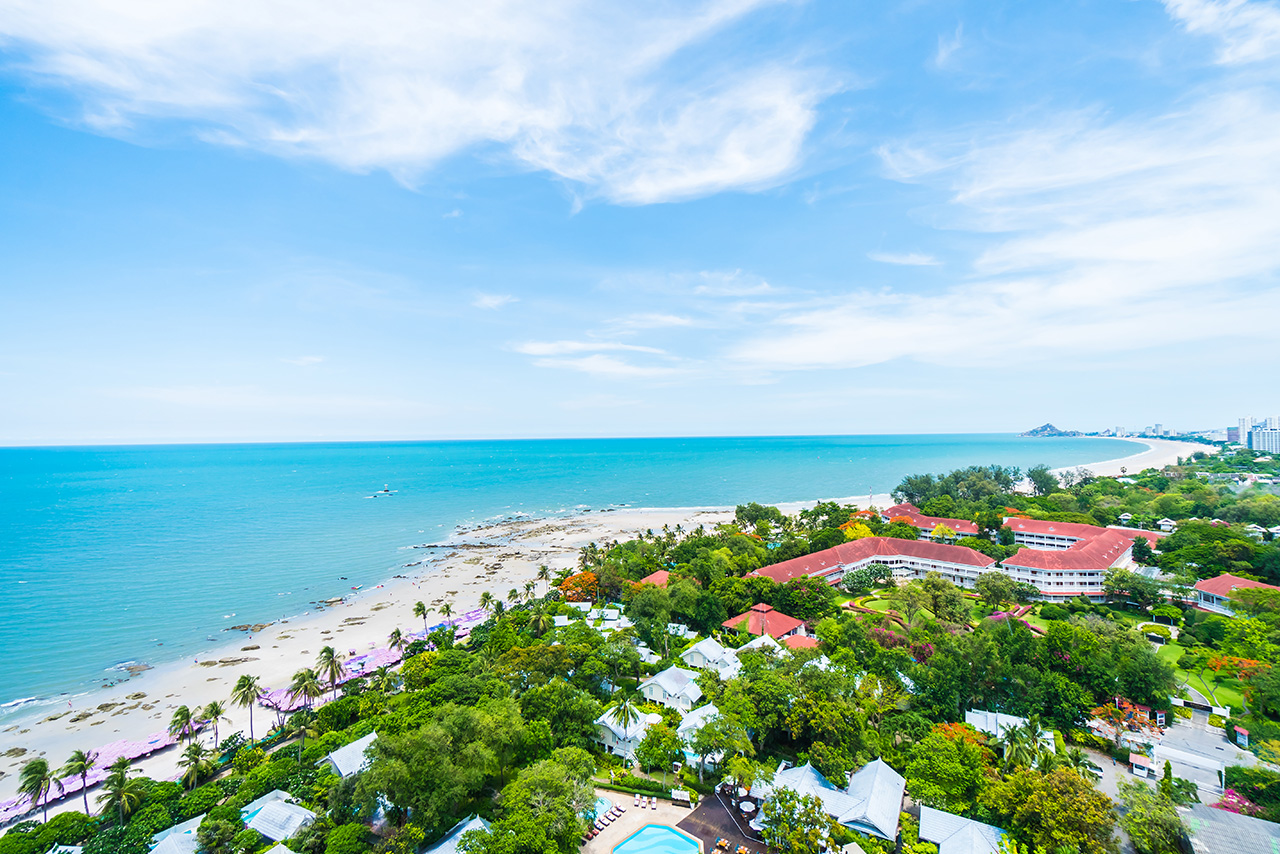
This is why luxury villa plots in maha goa are no longer being discussed as holiday assets. They are being evaluated as breathing investments—locations where quality of life, environmental resilience, and long-term land value intersect.
Delhi’s Air Crisis Is Now a Policy Failure, Not a Seasonal Problem
AQI Is an Official Government Measurement — Not Media Sensationalism
India’s Central Pollution Control Board (CPCB) defines air quality using a nationally standardized Air Quality Index (AQI):
- 0–50: Good
- 51–100: Satisfactory
- 101–200: Moderate
- 201–300: Poor
- 301–400: Very Poor
- 401–500: Severe
During peak winter months, Delhi’s AQI has consistently crossed 400, entering the Severe category for extended periods.
This classification is not symbolic. Once AQI breaches certain thresholds, government emergency protocols activate automatically.
GRAP Stage IV: When a City Enters Emergency Mode
Under India’s Graded Response Action Plan (GRAP), Stage IV is the highest level of response. It includes:
- Suspension of construction activities
- Ban on diesel vehicles (except essential services)
- Fuel denial to non-compliant vehicles
- Closure or limitation of industrial operations
- Official work-from-home advisories
When air pollution forces economic and social restrictions, it stops being an environmental issue and becomes a livability crisis.
This is the backdrop against which people are reassessing where they want to place long-term capital and family life.
WHO Guidelines vs Delhi Reality: A 10–20× Exposure Gap
The World Health Organization (WHO) revised its Air Quality Guidelines in 2021, based on global health evidence:
- PM2.5 annual mean safe limit: 5 µg/m³
- PM2.5 24-hour safe limit: 15 µg/m³
By contrast, winter PM2.5 levels in Delhi frequently range between 150 and 300 µg/m³, according to multiple independent assessments and monitoring stations.
This means residents are routinely exposed to 10 to 20 times the recommended safe limits.
No amount of lifestyle optimization can fully neutralize this disparity.
The Illusion of Indoor Safety: Why Air Purifiers Are Not a Complete Solution
In response, urban households have adapted defensively:
- High-capacity air purifiers in every room
- Sealed windows for months
- Reduced outdoor exposure
- Modified daily routines
However, even government-linked agencies caution against over-reliance on indoor devices.
According to the United States Environmental Protection Agency (EPA):
- Portable air cleaners can reduce particle concentration
- They do not remove all pollutants
- Many do not address gases or continuous outdoor infiltration
- Effectiveness depends on room size, sealing, and airflow
In practical terms:
Air purifiers mitigate damage; they do not restore environmental quality.
This turns clean air into a recurring expense, not a permanent condition.
The Hidden Economic Cost of Polluted Urban Living
Beyond health discussions, pollution imposes real financial and lifestyle costs:
- Capital expenditure on devices
- Recurring filter replacement costs
- Higher electricity usage
- Loss of outdoor living space
- Reduced productivity during severe AQI days
- Travel and mobility disruptions
These costs rarely appear in property brochures—but they quietly shape buyer behavior.
As a result, investors and end-users are beginning to value environmental stability as much as square footage.
This is where luxury villa plots in maha goa enter the strategic conversation.
Understanding Maha Goa: Geography, Not Marketing
“Maha Goa” refers to the coastal belt spanning North Goa and southern Maharashtra, particularly Sindhudurg district and Sawantwadi.
This region benefits from:
- Coastal wind patterns aiding air dispersion
- Lower industrial concentration
- Absence of dense vehicular corridors
- Lower population density
Importantly, this does not mean the air is “perfect.”
It means the region avoids chronic severe pollution episodes seen in landlocked megacities.
According to Goa State Pollution Control Board (GSPCB) bulletins, AQI levels in coastal regions frequently remain in Good to Moderate bands, even when northern metros enter Very Poor or Severe categories.
This relative stability is what makes luxury villa plots in maha goa attractive for long-term habitation—not speculation.
Why Open-Air Living Is Becoming a Premium Asset Class
Historically, luxury was defined by interiors.
In 2025, luxury is increasingly defined by outdoor access.
Villa plots provide:
- Independent ventilation
- Private gardens and courtyards
- Cross-breeze orientation
- Lower shared air circulation
Apartments, by contrast, rely heavily on:
- Central ventilation
- Shared corridors
- Vertical density
This structural difference explains why demand for luxury villa plots in maha goa is rising among:
- NCR families seeking partial relocation
- Mumbai professionals planning second bases
- NRIs prioritizing land over vertical assets

Infrastructure Has Removed the “Remote” Penalty
For years, coastal Maharashtra suffered from perception gaps, not potential gaps.
That has changed.
NH-66: The Connectivity Backbone
The Mumbai–Goa Expressway (NH-66) has significantly upgraded access across the Konkan coast.
According to National Highways Authority of India (NHAI) updates, continuous upgrades and widening projects have reduced travel time and improved reliability.
What was once considered distant is now weekend-accessible.
This directly supports appreciation prospects for luxury villa plots in maha goa.
MOPA Airport: A Demand Multiplier
The Manohar International Airport (MOPA) has shifted traffic patterns decisively toward North Goa and adjoining Maharashtra districts.
According to disclosures from the Ministry of Civil Aviation, passenger volumes are rising steadily, increasing demand for:
- Residential bases
- Weekend homes
- Long-stay villas
As saturation increases in North Goa, demand naturally spills into Sindhudurg and Sawantwadi, where land availability and regulatory clarity still exist.
Why Land Beats Apartments in the Next Decade
From an investment perspective:
- Apartments depreciate physically
- Maintenance costs rise
- Supply is elastic
Land, especially plotted developments:
- Is finite
- Appreciates with infrastructure
- Carries lower long-term maintenance
This is why seasoned investors are consolidating into luxury villa plots in maha goa rather than chasing short-term rental yields.
Cida De Luxora: Planned Open Living, Not Unstructured Sprawl
Within this macro shift, Cida De Luxora stands out as a regulated, master-planned ecosystem, not fragmented land selling.
Key Project Fundamentals
- 11 acres of gated development
- Only 50 luxury villa plots
- Plot sizes starting from 600 sq. yards
- Located 2 minutes from NH-66
- Connected via State Highway 180
- Integrated luxury retail and office spaces
- Roman-inspired planning with modern infrastructure
This model aligns perfectly with buyers seeking luxury villa plots in maha goa that offer planning certainty, not speculation.
Scarcity, Compliance, and Long-Term Appreciation
Three forces are now shaping coastal land values:
- Environmental regulation tightening
- Limited government-approved layouts
- Rising demand for low-density living
Together, they create a structural appreciation thesis for luxury villa plots in maha goa.
The Long View: Why Breathing Will Always Command a Premium
Markets fluctuate.
Interest rates rise and fall.
Trends come and go.
But certain fundamentals never change.
When air quality determines:
- How children play
- How seniors move
- How families live
Land that supports open, breathable living becomes inherently valuable.
This is not a trend.
It is a re-prioritization of life choices.
From Pollution Management to Life Design
If urban living now requires:
- Devices to clean air
- Apps to check safety
- Policies to restrict movement
Then it’s reasonable to ask whether that environment deserves long-term capital commitment.
For many investors, the answer is increasingly no.
That is why luxury villa plots in maha goa are emerging not as escapes—but as strategic reallocations of lifestyle, health, and wealth.
In the decades ahead, land that lets you breathe will not just hold value.
It will define it.
FAQ
1. Why are luxury villa plots in Maha Goa gaining attention from Delhi and NCR buyers?
Luxury villa plots in Maha Goa are attracting strong interest from Delhi and NCR buyers due to a combination of chronic air pollution in North Indian metros and improved connectivity to the western coastal belt. According to the Central Pollution Control Board (CPCB), Delhi regularly enters the “Very Poor” and “Severe” AQI categories during winter months, triggering government-mandated restrictions under GRAP protocols.
In contrast, coastal regions in and around Goa and southern Maharashtra generally experience better air dispersion due to sea-breeze patterns and lower industrial density, as reflected in state pollution control board bulletins.
As a result, buyers are reassessing long-term liveability, not just property prices—making luxury villa plots in Maha Goa a preferred choice for families planning partial relocation or future retirement.
CTA:
If you’re evaluating alternatives to high-density metro living, exploring government-approved luxury villa plots in Maha Goa can help you future-proof both lifestyle and investment decisions.
2. Is air quality really influencing real estate investment decisions in India?
Yes. Air quality has become a material factor in real estate decision-making, particularly among HNIs, NRIs, and long-term end users. The World Health Organization (WHO) revised its air quality guidelines in 2021, sharply lowering safe PM2.5 exposure limits—bringing global attention to the long-term risks of polluted urban environments.
In India, recurring pollution emergencies in Delhi NCR have shifted buyer preferences toward regions offering environmental stability, open layouts, and lower population density. This shift is directly benefiting low-density developments such as luxury villa plots in Maha Goa.
CTA:
Investing early in regions aligned with future liveability trends—like luxury villa plots in Maha Goa—can position buyers ahead of the next real estate demand cycle.
3. How does Maha Goa compare to Delhi NCR in terms of AQI levels?
Delhi NCR frequently records AQI values above 300–400, categorised as Very Poor to Severe by CPCB standards. These levels often persist for weeks during winter, prompting emergency measures under GRAP.
Maha Goa, encompassing North Goa and southern Maharashtra districts like Sindhudurg, typically records lower AQI bands, supported by coastal airflow and lower industrial concentration. While no region is completely pollution-free, government monitoring shows significantly fewer severe episodes compared to landlocked metros.
CTA:
For buyers prioritizing environmental consistency over short-term convenience, luxury villa plots in Maha Goa offer a compelling alternative to high-pollution metros.
4. Are air purifiers enough to manage pollution in city apartments?
Air purifiers can reduce indoor particulate matter but do not eliminate all indoor pollutants, according to the US Environmental Protection Agency (EPA). Their effectiveness depends on room size, filter quality, maintenance, and external air infiltration.
Importantly, purifiers do not address:
- Continuous outdoor pollution entry
- Gaseous pollutants
- Lifestyle limitations caused by sealed indoor living
CTA:
Instead of continuously managing pollution indoors, buyers are increasingly choosing luxury villa plots in Maha Goa that naturally support open-air living and better ventilation.
5. Why are plotted developments preferred over apartments in emerging regions?
Plotted developments offer independent air circulation, lower density, and long-term land appreciation, while apartments involve shared infrastructure, rising maintenance costs, and physical depreciation.
From an investment standpoint, land remains finite—especially in coastal and regulated zones. This makes luxury villa plots in Maha Goa structurally more resilient over long holding periods.
CTA:
If your investment horizon spans 10–20 years, luxury villa plots in Maha Goa provide both asset stability and lifestyle flexibility.
6. How has NH-66 improved the investment outlook for Maha Goa?
The Mumbai–Goa Expressway (NH-66) has significantly enhanced accessibility across the Konkan belt. According to the National Highways Authority of India (NHAI), continuous upgrades have reduced travel time and improved logistical reliability.
Improved connectivity has transformed Maha Goa from a perceived “remote region” into a weekend-accessible, investment-viable corridor.
CTA:
Connectivity is a key driver of appreciation—making luxury villa plots in Maha Goa increasingly relevant for both end users and investors.
7. What role does MOPA Airport play in boosting Maha Goa real estate demand?
The Manohar International Airport (MOPA) has reoriented demand toward North Goa and adjoining Maharashtra districts. As per the Ministry of Civil Aviation, passenger volumes are rising steadily, increasing demand for residential and long-stay properties.
This spillover effect is directly benefiting nearby regions with available land and regulatory clarity—such as Sindhudurg.
CTA:
Early-stage investments in luxury villa plots in Maha Goa can benefit from airport-driven appreciation before full market saturation.
8. Are luxury villa plots in Maha Goa suitable for primary living or only second homes?
Initially viewed as second-home destinations, luxury villa plots in Maha Goa are increasingly being planned for primary or semi-primary living. Improved roads, airport connectivity, healthcare access, and educational institutions are enabling longer stays and full-time habitation.
CTA:
Whether you’re planning phased relocation or long-term settlement, luxury villa plots in Maha Goa offer adaptable living models.
9. Is investing in land safer than apartments during market volatility?
Historically, land assets have shown lower volatility and stronger inflation hedging compared to built-up apartments. Apartments depreciate physically, while land values rise with infrastructure, scarcity, and regulatory tightening.
This makes luxury villa plots in Maha Goa particularly attractive during uncertain economic cycles.
CTA:
For investors seeking capital preservation with upside potential, luxury villa plots in Maha Goa align well with long-term wealth strategies.
10. What makes Cida De Luxora a credible choice among luxury villa plots in Maha Goa?
Cida De Luxora is a government-approved, master-planned gated development spread across 11 acres, offering limited luxury villa plots starting from 600 sq. yards, located just 2 minutes from NH-66.
Unlike fragmented land parcels, it offers:
- Legal clarity
- Infrastructure readiness
- Integrated lifestyle planning
This makes it a structured entry point into luxury villa plots in Maha Goa for serious buyers.
The “Breathing Investment” CTA (Primary Blog Ending)
If you’re already spending your life managing pollution—checking AQI apps, replacing air filters, sealing windows, and planning days around smog alerts—it may be time to ask a deeper question:
Is your home working for you, or against you?
Across India, discerning buyers are quietly shifting from high-density apartments to luxury villa plots in Maha Goa—not as an escape, but as a strategic upgrade in how they live, invest, and plan their future.
With improving connectivity, airport-led growth, and limited availability of government-approved plotted developments, this region is no longer a speculative bet. It is a measured, long-term reallocation of lifestyle and capital.
If you’re exploring:
- Cleaner, open-air living
- Land-backed assets with appreciation potential
- A future-ready alternative to polluted metros
Then now is the right time to evaluate luxury villa plots in Maha Goa—before demand catches up with reality.
👉 Explore Cida De Luxora and understand how a breathing-first location can become part of your long-term wealth and wellness strategy.