From Delhi Smog to Goa Breeze: Why Plot Investment in Sindhudurg, Goa Makes Sense Now
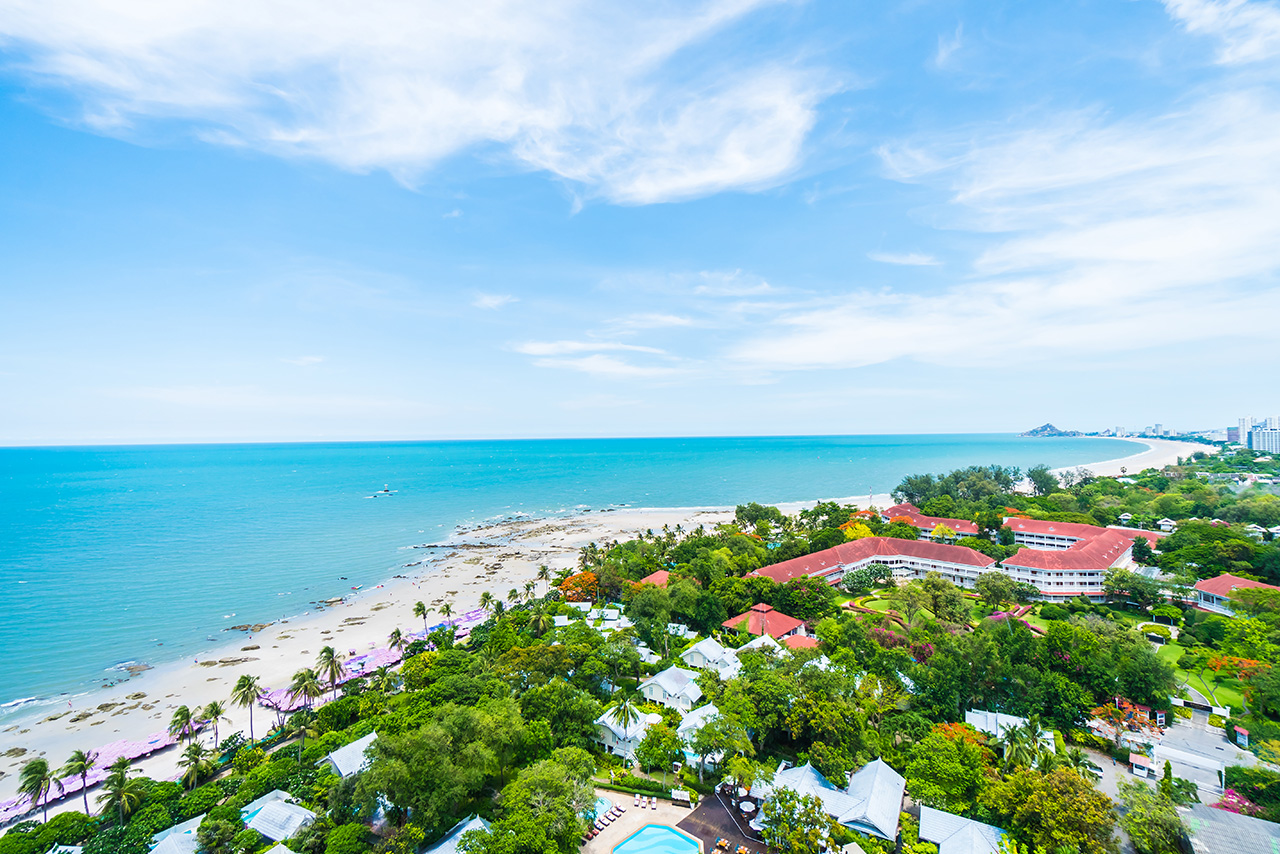
Close your eyes for a moment and picture the familiar start to a winter day in Delhi-NCR: a sallow sky, the faint chemical tang of air you can “taste,” and the resigned shuffle to the air purifier before the morning coffee. Now picture a different morning: palm-lined roads, a blue horizon, the hush of a gated neighbourhood where the breeze moves freely and your lungs notice the difference before your mind does. That contrast isn’t mere lifestyle marketing—it’s becoming an investment signal.
In this essay, we take a hard look at the numbers and the narrative. We’ll contrast Delhi-NCR’s winter smog with the coastal clarity of the Sindhudurg–North Goa corridor, examine airport and highway catalysts that are reshaping demand, and map those facts to a practical checklist for buyers who want more than a holiday home. By the end, you’ll see why a plot investment in Sindhudurg, Goa—especially inside a limited-edition, mixed-use, luxury gated community—can be a rare blend of clean air, connectivity, and capital appreciation.
The Air Reality: Delhi’s “Severe” vs Goa’s “Satisfactory/Moderate”
Each winter, Delhi steps into the headlines with a grim routine: AQI levels tipping into “severe”, weekend protests for clean air, and emergency curbs on construction and traffic. In early November, monitoring stations across the capital crossed 400 AQI in multiple pockets—officially “severe,” triggering Stage-3 actions under GRAP like bans on non-essential construction and restrictions on polluting industries.
Independent and global agencies reported the same surge: AQI readings in the “hazardous” zone and public demonstrations at India Gate underscored citizen fatigue with an annual crisis that blends crop-burning plumes with vehicular emissions and cold-weather inversions.
Now compare that to the Goa/Sindhudurg belt. Goa’s state pollution board (GSPCB) releases periodic air-quality reports; recent summaries and media coverage show “satisfactory” to “moderate” conditions across key stations, with PM levels typically within or near permissible ranges—worlds apart from NCR’s winter spike.
Real-time trackers echo the same pattern: Goa’s AQI often sits in the 80–95 band (moderate) with PM2.5 around the high-20s to low-30s μg/m³—still a concern for sensitive groups, but a vastly different daily reality than a capital under “severe.”
Why it matters to investors: A clean-air premium is not hype—it’s a live variable that influences health-driven migration, second-home demand, and time-on-market for quality plots. Where the air is better, hold times feel shorter and site visits convert faster. If the lifestyle delta is this obvious, the pricing delta often follows.
Connectivity Catalysts: Airports + NH-66 Are Turning “Weekendable” into “Livable”
Great plots languish when they’re hard to reach. Sindhudurg–North Goa is winning because access is no longer a someday promise—it’s happening.
Two Airports, One Corridor
Chipi (Sindhudurg) Airport has changed search maps for buyers. A recent developers’ and brokers’ study highlights how Chipi is actively driving real-estate growth across Malvan, Vengurla, Sasoli and adjoining micro-markets—validating what residents and hospitality operators have sensed for two seasons now.
Further south, Manohar International Airport (MOPA) in North Goa is scaling rapidly: ~47.2 lakh passengers in 2024, up ~26.6% YoY, alongside a ~22.7% jump in aircraft movements—clear evidence that the wider region’s tourism and business travel engines are humming. Multiple local outlets and compiled briefs track the surge and associated job creation.
Investment reading: Airports don’t just bring tourists. They bring ease, which brings repeat usage, which brings liquidity. For a plot buyer, every new flight is an incremental nudge toward rental viability, resale depth, and steady appreciation.
NH-66 (Mumbai–Goa) + SH-180: The Arteries That Matter
The NH-66 upgrade has been the Konkan’s long, patient story. Snackable updates have promised six-hour Mumbai–Goa drives; equally, sober trackers flag ongoing delays pushing full completion further out. Both signals matter: usability is improving in stretches and headlines are drawing attention—fuel for early-mover demand that rewards well-located, gated land.
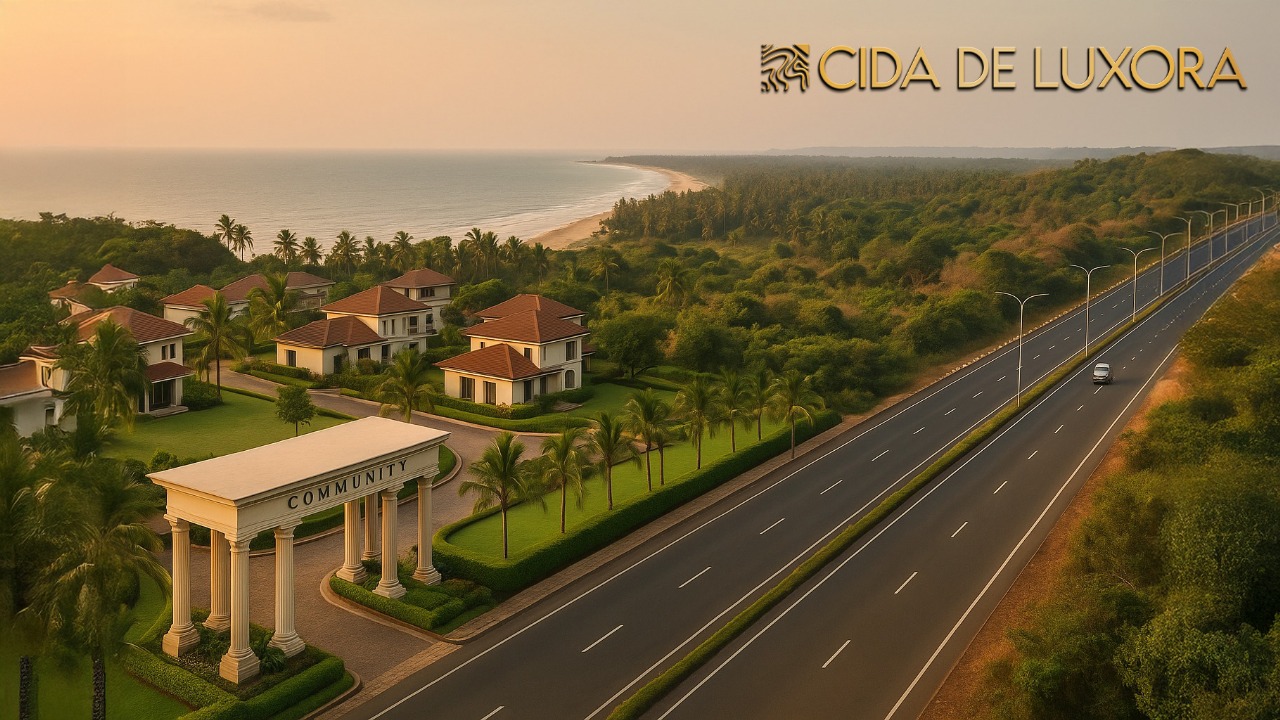
For Cida De Luxora, being just ~2 minutes off NH-66 and along SH-180 folds the project into this arterial logic. The difference between “almost connected” and “plugged into the mainline” shows up in drive-time, renter willingness, and exit options.
Value Logic: Why Plot Investment in Sindhudurg, Goa Beats a Like-for-Like in NCR (Right Now)
Let’s strip it down to first principles investors understand:
(a) Quality of life is capital. If a micro-market offers visibly better air, green coverage, and lower density, it bakes into willingness to pay—initially in rentals, and then in sale comps.
(b) Pricing is path-dependent. NCR’s land prices are mature; new upside is specific (rare pockets or amenity-driven). In Sindhudurg–North Goa, we’re earlier in the curve. Airports and highways are “unlock” events that move a market from “nice holiday home” to serious live-work alternative.
(c) Scarcity beats scale. The coast has a finite, regulated supply of plots that can sit inside gated, mixed-use, well-amenitised communities. As awareness rises, rare inventory gets bid up first.
Multiple industry round-ups frame Sindhudurg as a “new dawn” market where tourism-hospitality growth and infrastructure investment have begun to translate into real-estate momentum—a narrative now converting into actual absorption.
What to Buy (and Where): A 7-Point Checklist for 2025
Use this checklist to evaluate any option, starting with your focus on plot investment in Sindhudurg, Goa:
- Plot Size & Proportions: Luxury experience begins around 600 sq. yards and up. Bigger pads enable meaningful landscape architecture, privacy courts, and future flexibility.
- Gate, Brand, Governance: Look for gated masterplans with strong DLP/AMC frameworks, defined architectural guidelines, and active OA/Society governance. This protects streetscapes, rental quality, and resale value.
- Mixed-Use Inside the Gate: Retail and office components (curated scale, not a mall) future-proof the community—think coffee, fitness, concierge, and “walk-to-work” suits. That’s literal yield diversity.
- Arterial Access (NH-66/SH-180): Proximity to the highway matters more than raw distance. Two minutes vs 12 is the difference between “oh yes, let’s go” and “maybe next month.”
- Airport Reach: 45–60 minutes to either Chipi or MOPA is ideal; it supports weekend usage by owners/guests and keeps last-mile logistics sensible.
- Regulatory Clarity: Demand clear title, applicable RERA coverage, NA/residential conversion where relevant, drainage design, and coastal regulation compliance. The goal is frictionless possession and bank-funding comfort.
- Scarcity & Story: Prefer limited-edition communities (tight cap on villas/plots) with a credible design story. The Roman-inspired language at Cida De Luxora, for instance, is more than aesthetics—it’s a brand moat.

A Concrete Illustration: How Cida De Luxora Fits the Thesis
Cida De Luxora (CDL) is positioned as a modern reinterpretation of Roman grandeur—an 11-acre, gated, mixed-use enclave combining luxury villa plots (starting at 600 sq. yards) with curated retail and office spaces. The masterplan leans on privacy, bespoke architecture, and limited availability—only 50 villas—which we like because it preserves exclusivity and community character over time.
Geography strengthens the promise: CDL sits ~2 minutes off NH-66 and along SH-180, the corridor that runs toward white-sand beaches like Vengurla and Shiroda, while enjoying dual-airport reach (Chipi in Maharashtra; MOPA in North Goa). That combination—cleaner air profile, arterial plug-in, airport proximity, and gated mixed-use—is textbook for a now investment.
Add lifestyle/club, spa/fitness, landscaped trails, 24/7 concierge, smart-home/security, and the on-site Luxora Forum (the commercial hub), and the thesis upgrades from “good plot” to future-ready habitat.
Risk Radar (And How to De-Risk)
No coastal or up-and-coming corridor is risk-free. A professional buyer acknowledges the following and prepares for them:
- Infrastructure Slippage: NH-66 completion headlines have oscillated—some outlets project big gains soon; others flag extended timelines into 2026–27. Read both, budget conservatively for full benefits, and buy where current usability is already strong. Curly Tales+1
- Policy & Environmental Norms: Coastal regulation and state environmental clearances can be complex. Stick to transparent, approval-ready communities.
- Tourism Cyclicality: Shoulder seasons may soften rentals. Mixed-use (retail/office) can smooth cash flows.
- Over-Supply Pockets: Not all “near-Goa” plots are equal. Prefer gated, curated projects with brand intent and architecture controls over “open” plot sprawl.
- Liquidity: Exit improves in communities that manage enforcement (by-laws), landscape upkeep, and security—and that are easy to show (highway access + concierge).
Bottom line: Choose quality, approvals, and access over bargain density. That’s how you hold an asset you’re proud to use—and not just own.
Timing: Why “Now” Is Rational (Not Rash)
- Clean-Air Differential Is Peaking in Awareness: NCR’s winter cycle is predictable; buyer fatigue is real and trending. Policy curbs reaffirm the severity each year, keeping the relocation conversation hot.
- MOPA’s passenger surge (and aircraft movements) isn’t forecast—it’s in the books. That’s the sort of backbone investors crave.
- Chipi’s Pull Is Spreading: Markets north of North Goa—Malvan, Vengurla, Sasoli—are now part of regular site-visit itineraries, shifting “search gravity” from just Calangute–Baga to a broader coastal belt.
- Highway Narrative Creates Demand Even Before Handover: Each month of incremental improvement, YouTube updates, and travel blogs extends the “mental map” of weekenders. Buy where your weekend already works; treat full express speeds as upside optionality.
Practical Playbooks: How Different Buyers Can Use CDL
- A) The Weekender with a Plan
You want a seaside life without a re-location. A 600–800 sq. yd plot gives you garden depth, a plunge pool, and the ability to hold quiet family weeks. Retail on site means coffee, errands, and dinner are walkable; concierge simplifies everything else. - B) The Work-From-Anywhere Professional
A private study and fast fiber turn your villa into a living office; smart home systems safeguard security when you travel. Airports + NH-66/SH-180 keep client meetings feasible. You get a Monday that starts with birdsong—not honking. - C) The Hybrid Investor
Use the home part of the year; holiday-rent (professionally managed) the rest. Lease a small office/retail unit inside the enclave for a boutique wellness brand or co-working pod—an internal yield stack that isn’t hostage to one demand stream.
The CDL Edge: Brand, Curation, and Legacy
In real estate, edges compound:
- Design Language: CDL’s Roman-inspired intent isn’t a pastiche—done right, it creates timelessness. Timelessness resists trend decay, elevates photography, and sets resale expectations.
- Limited Edition: Only 50 villas means your neighbours are curated by price point and taste, not chance. Liquidity must be balanced with community character; small (but not tiny) is ideal.
- On-Site Commercial (Luxora Forum): Smartly scaled retail + office inside the gate de-frictions daily living and future-proofs value. The “live-work-earn” triad is no longer a fad; it’s an expectation.
- Approvals + Security: Government-approved with 24/7 surveillance, access control, and smart-home provisions—all the unglamorous details that protect glamour where it matters.
What to Do Next (A Short, Actionable Checklist)
- Run a Two-Airport Test: Check flight options to Chipi and MOPA from your city over two sample weekends; measure door-to-door. Expectation-setting upfront makes you a stickier owner.
- Drive the NH-66 Reality: Don’t rely on headlines alone—drive the approach you’ll actually use. Note time, fuel, and fatigue. Balance optimistic and conservative updates.
- Read the Latest GSPCB Note: Familiarise yourself with Goa’s recent state bulletins; learn station names and typical ranges. This builds your own clean-air thesis (and talking points).
- Demand the Dossier: Ask for title/NA/RERA status, layout controls, drainage and flood studies, and an amenity operations plan.
- Walk the Site Twice: First for emotion (sun, wind, views). Second for logistics (ingress/egress, slope, utility points, construction access).
- Think in 10 Years: Legacy assets are built, not bought. Pick the plot that tells a story your family will still love in 2035.
Breathe First, Then Buy
Real estate has always been about land and time. The Sindhudurg–North Goa belt adds a third axis: air. When you can buy plots where air feels like a daily advantage, where connectivity is no longer hypothetical, and where a gated, design-forward community limits inventory by choice, you’re looking at more than a property. You’re looking at a place to belong—and an asset to hold.
Cida De Luxora sits right at that intersection: 11 acres of meticulously planned terrain, villa plots starting at 600 sq. yards, curated retail and offices, Roman-inspired architecture, smart-home systems, and a 2-minute link to NH-66 via SH-180—all in a limited-edition format of just 50 villas. If you’ve been waiting for a signal that unites head and heart, this might be it.
FAQs
1) How bad is Delhi’s air right now, really?
Delhi’s winter AQI has repeatedly hit “severe” levels (>400 at many stations), prompting Stage-3 GRAP actions like bans on non-essential construction and restrictions on polluting fuels. Independent outlets also reported “hazardous” spikes and rare public protests, underscoring the health risk and citizen fatigue.
2) Is Goa’s/Sindhudurg’s air actually better or just “less bad”?
Official GSPCB notes and local reportage highlight “satisfactory” to “moderate” conditions across major stations—with particulate matter mostly within permissible limits in recent analyses. Real-time trackers often show Goa in the ~80–95 AQI band (moderate). It’s not pristine wilderness, but it’s a marked, daily-life difference versus NCR’s winter.
3) What proves that connectivity is truly improving?
Two data-points: MOPA handled about 47.2 lakh passengers in 2024 (up ~26.6% YoY) with a ~22.7% jump in aircraft movements—hard evidence of region-wide travel growth. Chipi is explicitly tied to rising property interest across nearby towns per a developers’/brokers’ study.
4) I keep hearing “Mumbai–Goa in 6 hours.” Is NH-66 done?
Some media promise big reductions; others flag fresh delays into 2026–27. The prudent view: stretches are improving and already usable, but treat full-throttle timelines as upside, not base case. Buy where today’s drive works.
5) Why pick a plot instead of a finished villa?
A plot gives latitude: orientation, elevation, courtyards, and materiality that reflect your taste. In a controlled, gated masterplan, you keep bespoke freedom without sacrificing community rules, streetscapes, or maintenance quality.
6) What makes “mixed-use” (retail + office) valuable inside a gated community?
It creates daily convenience and yield diversity: café, wellness, co-work, concierge—walkable services that lift lived experience and create steady, non-seasonal rentals.
7) How do I de-risk a coastal plot purchase?
Ask for RERA/title/NA clarity, CRZ compliance (where relevant), drainage/flood studies, and a governance plan (by-laws, OA, AMC). Evaluate ingress/egress and confirm utility and smart-security infrastructure.
8) What’s the long-term appreciation case here?
Three compounding forces: (i) clean-air premium (sticky demand), (ii) connectivity upgrades (airports + NH-66), (iii) scarcity of curated, gated plots near beaches. Early tranches in well-branded projects tend to capture the steepest slope.
9) For rentals, isn’t seasonality a risk?
Holiday markets have shoulder seasons, yes. That’s why mixed-use helps—offices and boutique retail bring year-round footfall. Professional rental management, minimum-stay rules, and community standards protect brand and pricing.
10) Why Cida De Luxora specifically?
Because it clusters the right ingredients: 11 acres, 600 sq. yd+ villa plots, only 50 villas, Roman-inspired design, Luxora Forum (retail + office), club/spa/landscapes, smart-home + 24/7 security, and 2-minute access to NH-66/SH-180—with dual-airport reach. It’s not just real estate; it’s legacy architecture meeting modern mobility.
Your Next Chapter Deserves Clean Air, Clear Returns, and a Legacy Address
If Delhi’s skyline feels like a warning and Goa’s horizon feels like hope, it’s time to turn instinct into investment.
Because air is the new asset class — and land near clean air is the new gold standard.
At Cida De Luxora, you’re not just buying a plot — you’re claiming a piece of tomorrow.
A tomorrow where your villa stands on Roman-inspired streets, wrapped in 11 acres of curated landscape, where every sunrise smells of the sea, not smog.
A tomorrow where you can build your legacy home, lease your boutique retail, or simply watch your land value rise — quietly, consistently, securely.
📍 2 minutes from NH-66, along SH-180
✈️ Dual-airport access: Chipi & MOPA
🏡 Only 50 villas — by design, not accident
🌴 A gated ecosystem with retail, offices, clubhouse, spa, and concierge
Clean air. Connected life. Capital growth.
Breathe it. Build on it. Belong to it.
💠 Explore Cida De Luxora today.
Book Your Private Site Visit → | Cida de Luxora