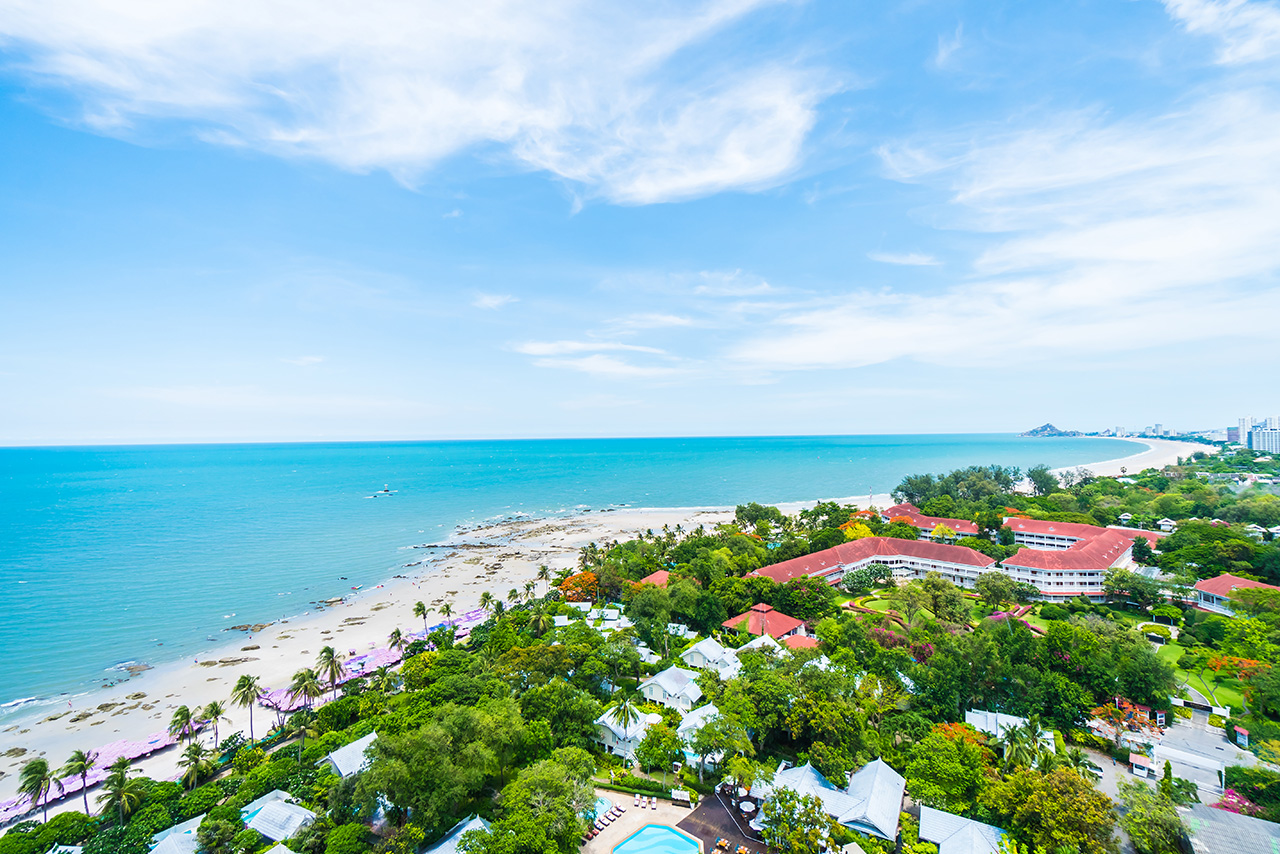
Sindhudurg Infrastructure Investment: Infrastructure Boom Transforming Maha Goa’s Emerging Coastal Growth Corridor
Why Infrastructure Is Becoming the Biggest Investment Story Along India’s Western Coast
Sindhudurg Infrastructure Investment is rapidly becoming one of India’s most closely watched infrastructure-led growth stories. Across the Maha Goa region, major investments in highways, airport connectivity, rail modernization, tourism, and government-backed infrastructure projects are reshaping long-term economic development. For investors, business owners, policymakers, and NRIs, understanding Sindhudurg Infrastructure Investment means understanding how infrastructure can influence future regional growth, connectivity, and long-term real estate demand.
Today, many investors, policymakers, developers, and businesses are closely monitoring Sindhudurg Infrastructure Investment as the next chapter in India’s infrastructure-led growth story. Located along the Maharashtra–Goa border, Sindhudurg occupies a unique strategic position where improving connectivity, expanding tourism, airport-led development, and government-backed infrastructure projects are converging to create new opportunities for long-term economic development.
Unlike mature real estate markets where infrastructure is already fully established, and property prices often reflect years of appreciation, Sindhudurg Infrastructure Investment represents a region that is still in the early stages of transformation. Over the coming years, projects such as the continued expansion of NH-66, the operational impact of Manohar International Airport (Mopa), Konkan Railway modernization, tourism infrastructure, logistics improvements, and proposed regional connectivity projects are expected to strengthen accessibility and support broader economic activity. The exact pace of development will depend on project execution, policy implementation, and market conditions, but the direction of regional investment is becoming increasingly visible.
This infrastructure-driven evolution extends beyond transportation. Improved connectivity often attracts hospitality investments, encourages industrial activity, supports entrepreneurship, generates employment, and stimulates demand for residential, commercial, and mixed-use developments. For investors evaluating long-term opportunities rather than short-term market cycles, understanding Sindhudurg Infrastructure Investment means understanding the economic foundations that influence property markets over time.
The broader Maha Goa region is particularly well positioned because it combines several structural advantages: proximity to Goa’s established tourism economy, access to Maharashtra’s expanding infrastructure network, an attractive coastline, growing hospitality interest, and comparatively lower land values than many mature coastal destinations. These characteristics have drawn increasing attention from second-home buyers, NRIs, business owners, hospitality operators, and long-horizon investors seeking emerging coastal markets.
However, prudent investing requires separating evidence from enthusiasm. Infrastructure alone does not guarantee exceptional returns. Factors such as project completion, legal due diligence, regulatory clarity, local demand, macroeconomic conditions, and holding period all influence investment outcomes. A balanced evaluation therefore requires examining verified government projects, historical case studies, credible market research, and broader economic trends rather than relying on speculation or exaggerated claims.
This article provides a comprehensive, evidence-based analysis of Sindhudurg Infrastructure Investment, examining the infrastructure projects shaping the region, the economic mechanisms through which infrastructure influences real estate markets, lessons from comparable infrastructure-led destinations across India, the opportunities and risks investors should consider, and why many market observers view Sindhudurg as one of India’s emerging coastal investment corridors.
By understanding the region through the lens of infrastructure economics rather than short-term market sentiment, readers will gain a clearer perspective on how connectivity, tourism, industry, and public investment collectively contribute to long-term regional growth.
Why Infrastructure Has Historically Been the Biggest Driver of Long-Term Real Estate Wealth
Understanding the Infrastructure–Economy–Real Estate Cycle
Experienced investors often observe that successful real estate markets are built on economic fundamentals rather than short-term price movements. One of the strongest long-term fundamentals is infrastructure. Roads, airports, railways, ports, utilities, and public investment create the conditions that enable businesses to expand, industries to grow, tourism to flourish, and populations to increase. As economic activity grows, demand for housing, commercial spaces, hospitality, and services generally follows.
This sequence has been evident across many of India’s fastest-growing regions over the past three decades. Rather than focusing solely on current property prices, institutional investors frequently analyse infrastructure pipelines because these projects influence accessibility, productivity, logistics, and investor confidence over extended periods.
The infrastructure-led development cycle typically follows a pattern:
Government Infrastructure Investment → Improved Connectivity → Increased Business Activity → Employment Growth → Tourism Expansion → Population Movement → Higher Residential & Commercial Demand → Long-Term Property Market Development
Each stage reinforces the next. Better highways reduce travel times and transportation costs. Airports improve domestic and international accessibility. Railway upgrades enhance freight and passenger capacity. Tourism infrastructure attracts visitors and private hospitality investment. Together, these improvements create an environment where businesses, residents, and investors find greater value in locating within a region.
For those evaluating Sindhudurg Infrastructure Investment, this framework is particularly relevant because multiple connectivity and tourism-related projects are progressing simultaneously rather than in isolation.
Infrastructure Creates Confidence Before It Creates Demand
One of the most important characteristics of infrastructure-led markets is that investor confidence often develops before the full economic benefits become visible. Announcements, approvals, construction milestones, and operational infrastructure gradually change market perceptions, encouraging private capital to participate alongside public investment.
However, experienced investors also recognise that announcements alone are not enough. The greatest long-term value typically emerges when infrastructure is completed, integrated with broader economic development, and supported by sustained policy implementation. This is why professional investors closely monitor project execution, government budgets, tourism data, industrial investment, and demographic trends instead of relying solely on headline announcements.
For Sindhudurg Infrastructure Investment, understanding which projects are operational, under construction, or proposed helps distinguish between current market realities and future potential.
Lessons from India’s Infrastructure-Led Growth Corridors
Several Indian regions illustrate how infrastructure has influenced long-term real estate development:
- Navi Mumbai benefited from planned urban development, improved transport networks, and ongoing airport-related infrastructure, gradually evolving into one of the country’s most significant planned urban centres.
- The Yamuna Expressway improved connectivity between Delhi and Agra, creating new opportunities for residential, commercial, logistics, and institutional development along the corridor.
- The announcement and development of Noida International Airport (Jewar) attracted significant attention from developers and investors, although appreciation has varied considerably depending on project location, legal approvals, and infrastructure progress.
- Hyderabad’s Outer Ring Road enhanced regional mobility, supporting IT expansion, commercial development, and residential growth across multiple micro-markets.
- North Goa demonstrates how airport connectivity, tourism, hospitality, and lifestyle demand can influence surrounding real estate markets over time.
While each region has followed its own unique trajectory, a common lesson emerges: infrastructure tends to create long-term economic capacity rather than immediate or guaranteed property appreciation. Outcomes depend on execution quality, governance, economic diversification, and sustained demand.
This historical perspective provides valuable context when evaluating Sindhudurg Infrastructure Investment, particularly as the region enters a period marked by expanding connectivity, tourism initiatives, and public infrastructure spending.
Why Sindhudurg Infrastructure Investment Is Entering a New Growth Phase
When economists evaluate an emerging region, they rarely focus on a single infrastructure project. Instead, they examine whether multiple public and private investments are converging simultaneously, creating a self-reinforcing cycle of economic growth.
This is precisely why Sindhudurg Infrastructure Investment has attracted increasing attention from investors, infrastructure planners, tourism stakeholders, and developers.
Unlike many emerging markets that rely on a single catalyst, Sindhudurg is witnessing progress across several interconnected sectors:
- Highway modernization
- Airport-led regional development
- Railway improvements
- Tourism infrastructure
- Hospitality investments
- Industrial expansion
- Logistics connectivity
- Coastal economic development
Collectively, these initiatives have the potential to reshape accessibility, business activity, tourism, and long-term real estate demand over the coming decade.
Major Projects Driving Sindhudurg Infrastructure Investment
NH-66: The Backbone of Western India’s Coastal Connectivity
For decades, National Highway 66 (formerly NH-17) has served as the principal transportation corridor linking Mumbai with Goa and the broader western coastline. The ongoing four-laning and modernization of NH-66 is one of the most significant infrastructure upgrades affecting Sindhudurg Infrastructure Investment.
According to the official Sindhudurg district administration, NH-66 passes through major regional centres including Kankavli, Kudal, and Sawantwadi, making it the district’s primary road artery. (Sindhudurg)
Why NH-66 Matters
Improved highways influence regional economies in several ways:
- Reduced travel time for residents and tourists.
- Lower logistics costs for businesses.
- Better freight movement for agriculture, fisheries, and manufacturing.
- Greater accessibility for hospitality and tourism projects.
- Improved weekend connectivity from Goa and other western Indian cities.
For long-term investors evaluating Sindhudurg Infrastructure Investment, highway connectivity often becomes one of the strongest indicators of future economic integration.
Relevance to the Maha Goa Region
One of the strategic advantages highlighted in CDL’s Buyer & Investor Guide is its location approximately 2 minutes from NH-66 and around 30 minutes from Mopa Airport, positioning it within a well-connected regional transport network.
Mopa International Airport: A New Gateway for Regional Growth
Among all recent infrastructure developments, the operationalization of Manohar International Airport has arguably been one of the most influential catalysts for North Goa and adjoining areas of Sindhudurg.
Airports are more than transportation facilities—they often become economic anchors that stimulate tourism, hospitality, business travel, and investment.
How Airport-Led Development Influences Real Estate
Globally and across India, airports tend to support:
- Higher tourist arrivals.
- Increased hotel development.
- Expansion of restaurants and retail.
- Growth in second-home demand.
- Improved accessibility for NRIs.
- Enhanced attractiveness for remote professionals and entrepreneurs.
For Sindhudurg Infrastructure Investment, Mopa Airport significantly improves accessibility from major Indian metropolitan areas while strengthening international connectivity through Goa.
Economic Spillover Effects
Airport-driven development generally extends well beyond the airport itself.
Businesses requiring better connectivity often expand into nearby districts where land remains comparatively affordable. Hospitality operators frequently explore emerging destinations located within a convenient driving distance of airports.
This regional spillover has been observed around several Indian airports and is one reason many analysts monitor Sindhudurg Infrastructure Investment as part of the broader Maha Goa growth story.
The Proposed Shaktipeeth Expressway: A Potential Long-Term Connectivity Multiplier
One of Maharashtra’s most ambitious proposed transport corridors is the planned Shaktipeeth Expressway.
The project is intended to connect Nagpur with the Goa border while passing through multiple districts, including Sindhudurg. Current plans envisage an access-controlled expressway that would significantly improve east-west connectivity across Maharashtra if completed.
Current Status
The project remains in various planning, approval, environmental, and land acquisition stages. Route refinements and public consultations continue, meaning timelines remain subject to government approvals and execution.
Potential Economic Impact
If implemented substantially as proposed, the expressway could contribute to:
- Faster freight movement.
- Improved interstate logistics.
- Better access between inland Maharashtra and the Konkan coast.
- Growth in religious tourism.
- Easier movement of agricultural produce.
- Increased regional investment attractiveness.
However, investors should distinguish between operational infrastructure and proposed infrastructure when evaluating Sindhudurg Infrastructure Investment. Long-term potential should always be assessed alongside project execution progress.
Konkan Railway: Strengthening Passenger and Freight Connectivity
The Konkan Railway transformed western India’s coastal connectivity when it became operational, and ongoing modernization efforts continue to improve regional mobility.
According to the Sindhudurg district administration, multiple railway stations—including Kankavli, Sindhudurg, Kudal, and Sawantwadi—provide important rail connectivity for the district. (Sindhudurg)
Why Railway Connectivity Matters
Rail infrastructure supports:
- Passenger movement.
- Tourism.
- Freight transportation.
- Agricultural exports.
- Seafood logistics.
- Industrial supply chains.
When road and rail infrastructure improve together, they often increase the resilience and efficiency of regional logistics networks.
For Sindhudurg Infrastructure Investment, multimodal connectivity strengthens the region’s attractiveness for both tourism and business.
Coastal Infrastructure and the Blue Economy
Sindhudurg’s coastline has long supported fishing, tourism, and maritime activities. Government initiatives focused on coastal infrastructure, harbour improvements, marine tourism, and fisheries modernization contribute to what is increasingly referred to as the Blue Economy.
Improved coastal infrastructure can support:
- Fisheries.
- Seafood exports.
- Recreational boating.
- Adventure tourism.
- Beach tourism.
- Marine services.
- Hospitality expansion.
As accessibility improves, coastal districts often experience increasing interest from hospitality operators, lifestyle businesses, and tourism entrepreneurs.
For Sindhudurg Infrastructure Investment, the interaction between coastal infrastructure and tourism represents an important long-term demand driver rather than a standalone catalyst.
Tourism Infrastructure: Building an Experience Economy
Modern tourism extends beyond beaches. Successful destinations increasingly combine cultural attractions, eco-tourism, adventure tourism, wellness, heritage, and hospitality to encourage longer visitor stays and higher local spending.
Government initiatives and private investments across the broader Konkan and Maha Goa region aim to strengthen tourism through:
- Beach infrastructure.
- Adventure tourism.
- Marine attractions.
- Eco-tourism.
- Heritage destinations.
- Improved visitor amenities.
Tourism growth creates multiplier effects across accommodation, restaurants, retail, transportation, entertainment, and local services.
As visitor numbers increase over time, demand for holiday homes, boutique resorts, serviced villas, and lifestyle-oriented developments may also expand, subject to broader market conditions.
Government Initiatives Fueling the Next Phase of Sindhudurg Infrastructure Investment
Infrastructure alone rarely transforms a region. Sustainable economic growth occurs when public investment is complemented by supportive government policies, tourism promotion, industrial development, and private sector participation. This integrated approach has become increasingly visible across the Konkan region, where Maharashtra and Goa are pursuing complementary development strategies.
For investors evaluating Sindhudurg Infrastructure Investment, understanding these policy frameworks provides valuable context. They influence where infrastructure is built, how businesses expand, and which sectors are likely to generate long-term demand for residential, commercial, and hospitality real estate.
Maharashtra’s Focus on Infrastructure-Led Regional Development
Over the past decade, Maharashtra has significantly increased investment in highways, logistics, tourism infrastructure, industrial corridors, and multimodal transport. These initiatives aim to strengthen regional connectivity while encouraging balanced economic growth beyond major metropolitan areas.
Key policy priorities include:
- Expansion of national and state highways.
- Industrial corridor development.
- Tourism destination enhancement.
- Logistics and freight efficiency.
- MSME promotion.
- Coastal economic development.
- Ease of Doing Business reforms.
For coastal districts such as Sindhudurg, these policies create a framework where infrastructure supports broader economic diversification rather than relying solely on tourism.
Tourism as a Strategic Economic Driver
Tourism has evolved from being a seasonal industry into a year-round economic engine in many coastal destinations. Recognizing this shift, both the Government of India and the Maharashtra Government continue investing in destination development, visitor infrastructure, heritage conservation, and sustainable tourism initiatives.
Sindhudurg offers several competitive advantages:
- White sand beaches.
- Marine biodiversity.
- Forts and heritage sites.
- Adventure tourism.
- Scuba diving.
- Eco-tourism.
- Cultural tourism.
- Wellness experiences.
Improved infrastructure enables these assets to attract a broader visitor base while supporting local entrepreneurship and employment.
For Sindhudurg Infrastructure Investment, tourism acts as an economic multiplier by increasing demand for hotels, restaurants, retail, transportation, and eventually residential and second-home developments.
Strengthening the Blue Economy
India’s Blue Economy strategy emphasizes sustainable utilization of marine resources for economic development while preserving coastal ecosystems.
For Sindhudurg, this includes opportunities across:
- Fisheries.
- Seafood processing.
- Marine tourism.
- Coastal logistics.
- Recreational boating.
- Port-based commerce.
These sectors diversify the regional economy, reducing dependence on any single industry and supporting long-term employment generation.
A diversified economy generally contributes to more resilient property markets because demand originates from multiple sectors rather than a single growth driver.
MSME and Industrial Development
Micro, Small, and Medium Enterprises (MSMEs) remain one of India’s largest employment generators. Government initiatives supporting manufacturing, food processing, fisheries, handicrafts, agro-industries, and logistics create opportunities for economic expansion in districts like Sindhudurg.
Industrial activity contributes to real estate demand through:
- Workforce housing.
- Warehousing.
- Commercial offices.
- Retail.
- Business services.
- Logistics facilities.
As industrial ecosystems mature, residential and commercial property markets often experience sustained demand driven by employment rather than speculation.

Future Projects Supporting Sindhudurg Infrastructure Investment (2028–2029)
Infrastructure projects often require several years for planning, approvals, land acquisition, construction, and commissioning. While exact timelines remain subject to government decisions and project execution, several initiatives are expected to influence regional development during the latter part of this decade.
Rather than viewing these projects individually, investors should evaluate how they collectively improve regional competitiveness.
Continued Completion of NH-66 Upgrades
As remaining sections of NH-66 progress toward completion, travel efficiency across western India is expected to improve further.
Potential economic impacts include:
- Faster freight movement.
- Reduced transportation costs.
- Better tourism connectivity.
- Increased weekend travel.
- Enhanced commercial accessibility.
For Sindhudurg Infrastructure Investment, highway completion strengthens integration with Maharashtra’s broader economic network.
Airport-Driven Commercial Development
Airport ecosystems typically evolve over several years.
Around operational airports, development commonly includes:
- Hotels.
- Convention facilities.
- Business parks.
- Retail.
- Hospitality.
- Commercial services.
The continued evolution of the Mopa Airport ecosystem may generate additional demand across adjoining regions, including parts of Sindhudurg, although the scale and timing of spillover effects will depend on broader market dynamics.
Tourism Infrastructure Expansion
Government investments are expected to continue focusing on:
- Beach facilities.
- Coastal tourism.
- Heritage conservation.
- Adventure tourism.
- Visitor amenities.
- Eco-tourism.
As tourism infrastructure matures, local businesses often benefit from higher visitor spending and longer tourist stays.
Logistics and Industrial Connectivity
Improved transport infrastructure creates opportunities for:
- Warehousing.
- Cold-chain logistics.
- Fisheries exports.
- Food processing.
- Agricultural supply chains.
These sectors contribute to employment and economic resilience, strengthening the long-term investment case for infrastructure-connected regions.
A Balanced Perspective on Timelines
Investors should recognize that infrastructure development is rarely linear.
Factors influencing project timelines include:
- Land acquisition.
- Environmental clearances.
- Funding availability.
- Tendering.
- Regulatory approvals.
- Construction challenges.
Therefore, prudent investment decisions should be based on long-term regional fundamentals rather than short-term project announcements.
What History Teaches Us About Infrastructure-Led Property Appreciation
One of the most common questions investors ask is whether infrastructure can significantly increase land values over time.
History suggests that infrastructure has often played a major role in regional appreciation—but outcomes vary considerably depending on execution, economic growth, demand, legal clarity, and location.
Understanding previous infrastructure-led markets helps place Sindhudurg Infrastructure Investment into a broader national context.
Case Study: Navi Mumbai
When Navi Mumbai was conceived as a planned satellite city, it combined:
- Planned urban development.
- Road infrastructure.
- Railway connectivity.
- Industrial growth.
- Commercial expansion.
Over multiple decades, these investments transformed Navi Mumbai into one of India’s most significant planned urban centres.
Key Lesson
Infrastructure created sustained economic activity rather than immediate appreciation.
Case Study: Yamuna Expressway
The Yamuna Expressway dramatically reduced travel time between Delhi and Agra.
Subsequent development included:
- Residential projects.
- Logistics.
- Educational institutions.
- Commercial investments.
- Airport-related growth.
However, appreciation varied substantially depending on location and project execution.
Key Lesson
Connectivity alone does not determine returns.
Micro-location matters.
Noida International Airport (Jewar)
Airport announcements generated strong investor interest.
Yet actual appreciation has differed across villages and sectors depending upon:
- Land acquisition.
- Infrastructure completion.
- Legal status.
- Market demand.
Key Lesson
Announcements attract attention.
Execution creates value.
Hyderabad Outer Ring Road
Hyderabad’s Outer Ring Road became a catalyst for:
- IT expansion.
- Commercial development.
- Residential growth.
- Institutional investment.
Improved mobility encouraged businesses to expand beyond the city centre.
Key Lesson
Transport infrastructure supports economic decentralization.
Case Study: North Goa
North Goa illustrates how airport connectivity, tourism, hospitality, and lifestyle demand can reshape nearby property markets over time.
While Goa remains a unique market with its own regulatory and economic characteristics, the broader regional connectivity has increased interest in adjoining locations offering comparatively lower entry prices.
For observers of Sindhudurg Infrastructure Investment, this demonstrates how regional spillover effects can influence neighbouring districts.
Common Lessons Across Infrastructure-Led Markets
Despite their differences, successful infrastructure-led markets generally share several characteristics:
✔ Strong government investment
✔ Improved accessibility
✔ Private sector participation
✔ Employment generation
✔ Tourism or industrial growth
✔ Long investment horizons
✔ Regulatory clarity
✔ Expanding economic activity
These common factors matter far more than speculative price expectations.
Can Strategically Located Land Experience Multi-Fold Appreciation?
This is perhaps the most searched question among long-term land investors.
The answer requires nuance.
Historical evidence from several Indian markets shows that strategically located land has, in some cases, appreciated by several multiples over long holding periods following major infrastructure development.
However:
- Appreciation has never been uniform.
- Not every project succeeds.
- Not every location benefits equally.
- Infrastructure alone does not guarantee returns.
Numerous additional factors influence outcomes:
- Legal due diligence.
- Zoning regulations.
- Connectivity.
- Population growth.
- Employment.
- Tourism demand.
- Supply constraints.
- Holding period.
- Macroeconomic conditions.
For this reason, professional investors evaluate Sindhudurg Infrastructure Investment through probability rather than certainty.
It is therefore more accurate to state:
Historical evidence indicates that infrastructure-led markets have demonstrated the potential for substantial long-term appreciation in strategically located land. However, future performance depends on multiple economic, regulatory, and market factors, and past performance should not be interpreted as a guarantee of future returns.
This balanced approach reflects both investor prudence and responsible real estate communication.
Why Many Long-Term Investors Enter Before Infrastructure Is Fully Completed
One of the most consistent patterns observed across infrastructure-led markets is that the investment cycle often begins well before the final ribbon-cutting ceremony. Institutional investors, family offices, developers, and experienced land bankers typically monitor regions where infrastructure is moving from the planning stage into execution because this is when market fundamentals start changing, even though full economic benefits may take years to materialize.
For those evaluating Sindhudurg Infrastructure Investment, understanding this cycle is essential. Rather than attempting to time short-term price movements, long-term investors often focus on identifying regions where multiple structural growth drivers are aligning.
Understanding the Infrastructure Investment Cycle
The lifecycle of most infrastructure-led markets generally follows these stages:
Stage 1: Policy Vision and Planning
Governments identify strategic regions for long-term economic development based on geography, connectivity, tourism potential, or industrial opportunities.
Investor characteristics:
- Limited public awareness.
- Lower market participation.
- Higher uncertainty.
- Long investment horizon.
Stage 2: Announcements and Approvals
Infrastructure projects begin receiving approvals, funding commitments, environmental clearances, and detailed planning.
Investor characteristics:
- Growing institutional interest.
- Early developer participation.
- Increasing market visibility.
Stage 3: Construction and Execution
Visible infrastructure development increases investor confidence.
This stage often includes:
- Highway construction.
- Airport expansion.
- Railway upgrades.
- Utility improvements.
- Tourism investments.
For Sindhudurg Infrastructure Investment, several major connectivity initiatives are currently in either operational or ongoing development phases, placing the region within this broader infrastructure cycle.
Stage 4: Economic Expansion
Infrastructure begins supporting:
- Tourism.
- Hospitality.
- Retail.
- Logistics.
- Business activity.
- Employment.
Demand gradually expands across residential and commercial real estate.
Stage 5: Market Maturity
Infrastructure becomes fully integrated into the regional economy.
At this stage:
- Accessibility is established.
- Business confidence strengthens.
- Property markets become more mature.
- Entry prices may already reflect years of economic growth.
This framework illustrates why experienced investors often analyse infrastructure trends years before regional markets become widely recognised.
Future Demand Drivers That Could Shape Sindhudurg Over the Next Decade
While infrastructure creates the foundation for growth, sustained demand ultimately comes from people, businesses, and industries choosing to live, work, travel, or invest within a region.
Several structural trends may support long-term Sindhudurg Infrastructure Investment over the coming decade.
1. Growth in Second Home Ownership
India’s second-home market has expanded significantly following changes in work patterns, lifestyle preferences, and increasing interest in wellness-oriented living.
Coastal destinations offering natural surroundings, improved accessibility, and lower population density have attracted growing interest from:
- Urban professionals.
- Business owners.
- HNIs.
- NRIs.
- Retirees.
As accessibility improves, Sindhudurg may increasingly appeal to buyers seeking long-term lifestyle investments rather than purely speculative purchases.
2. Expansion of the Hospitality Sector
Hospitality investment often follows improving tourism infrastructure.
Potential areas of growth include:
- Boutique resorts.
- Luxury villas.
- Eco-resorts.
- Wellness retreats.
- Heritage stays.
- Serviced accommodations.
Hospitality development generates employment while increasing demand for supporting commercial services.
3. Remote Work and Lifestyle Migration
The widespread adoption of hybrid work models has encouraged many professionals to consider locations that offer:
- Better quality of life.
- Natural surroundings.
- Lower congestion.
- Improved digital connectivity.
Regions combining lifestyle advantages with transportation infrastructure may continue attracting remote professionals and entrepreneurs.
4. Tourism Diversification
Modern tourism increasingly extends beyond seasonal beach vacations.
Future growth may be supported by:
- Adventure tourism.
- Marine tourism.
- Heritage tourism.
- Wellness tourism.
- Eco-tourism.
- Culinary experiences.
- Cultural festivals.
Diversified tourism generally supports year-round economic activity.
5. Industrial and Logistics Expansion
Improved highways and multimodal transport networks strengthen logistics efficiency.
Potential beneficiaries include:
- Food processing.
- Fisheries.
- Warehousing.
- Cold-chain logistics.
- Agriculture.
- MSMEs.
A diversified employment base contributes to long-term regional stability.
6. NRI and Global Investor Interest
Improved airport connectivity has historically increased interest from overseas investors seeking:
- Holiday homes.
- Retirement properties.
- Long-term land investments.
- Hospitality ventures.
While investment decisions vary significantly among individuals, improved accessibility broadens the potential buyer base.
Risks Every Long-Term Investor Should Evaluate
Balanced investment analysis requires examining both opportunities and risks.
Although Sindhudurg Infrastructure Investment presents several structural growth drivers, prudent investors should carefully evaluate potential challenges before making investment decisions.
Infrastructure Timelines
Large public infrastructure projects may experience delays due to:
- Land acquisition.
- Environmental approvals.
- Funding.
- Contractor execution.
- Policy changes.
Investors should avoid basing decisions solely on expected completion dates.
Regulatory Due Diligence
Before purchasing land, buyers should verify:
- Clear title.
- Land use permissions.
- NA status (where applicable).
- Zoning regulations.
- Development permissions.
- Encumbrances.
Professional legal advice remains essential.
Market Cycles
Real estate markets naturally experience periods of expansion, consolidation, and slower growth.
Long-term investors should prepare for cyclical fluctuations rather than expecting continuous appreciation.
Liquidity
Land investments generally have longer holding periods than many financial assets.
Investors should align property purchases with their liquidity requirements and financial objectives.
Environmental Considerations
Coastal regions often involve additional environmental regulations.
Investors should understand:
- Coastal Regulation Zone (CRZ) rules.
- Environmental clearances.
- Sustainable development guidelines.
Due Diligence Checklist Before Investing in Emerging Infrastructure Markets
Before investing in Sindhudurg Infrastructure Investment, consider the following checklist:
Legal Verification
- Verify ownership documents.
- Confirm title clarity.
- Review encumbrance certificates.
- Check mutation records.
Regulatory Compliance
- Confirm land classification.
- Verify NA conversion, if applicable.
- Understand local development regulations.
Connectivity
Evaluate proximity to:
- National highways.
- Railway stations.
- Airports.
- Urban centres.
- Tourism destinations.
Infrastructure Status
Differentiate between:
- Operational infrastructure.
- Under-construction projects.
- Proposed developments.
Developer Assessment
Review:
- Project approvals.
- Development track record.
- Transparency.
- Infrastructure commitments.
Long-Term Strategy
Ask:
- What is my investment horizon?
- Is this intended for personal use, rental income, hospitality, or land banking?
- Does the investment align with my overall portfolio diversification?
FAQs
1. What makes Sindhudurg Infrastructure Investment an attractive long-term opportunity?
Sindhudurg Infrastructure Investment is attracting attention because of ongoing infrastructure developments such as NH-66 upgrades, the operational Mopa International Airport, Konkan Railway improvements, and tourism-focused government initiatives. These projects are improving regional connectivity and supporting long-term economic growth, making the region increasingly relevant for investors seeking infrastructure-led opportunities.
2. How is NH-66 influencing Sindhudurg Infrastructure Investment?
The modernization of NH-66 is strengthening Sindhudurg Infrastructure Investment by reducing travel time, improving freight movement, and enhancing accessibility between Maharashtra and Goa. Better road connectivity can support tourism, logistics, commercial activity, and overall regional development.
3. What role does Mopa International Airport play in Sindhudurg Infrastructure Investment?
Mopa International Airport has become an important catalyst for Sindhudurg Infrastructure Investment by improving domestic and international accessibility. Airport-led development can encourage tourism, hospitality, second-home demand, and broader economic activity across the Maha Goa region.
4. How could the proposed Shaktipeeth Expressway impact Sindhudurg Infrastructure Investment?
If completed as planned, the proposed Shaktipeeth Expressway could strengthen Sindhudurg Infrastructure Investment by improving connectivity between inland Maharashtra and the Konkan coast. While the project remains subject to government approvals and execution timelines, it has the potential to enhance freight movement, tourism, and regional accessibility.
5. Can Sindhudurg Infrastructure Investment lead to long-term property appreciation?
Historical evidence from infrastructure-led markets across India suggests that Sindhudurg Infrastructure Investment could support long-term property value growth if infrastructure projects are completed successfully and accompanied by sustained economic development. However, appreciation depends on factors such as location, legal due diligence, market demand, and government policy, and cannot be guaranteed.
6. Why are investors closely watching Sindhudurg Infrastructure Investment?
Many investors are monitoring Sindhudurg Infrastructure Investment because several growth drivers—including highways, airport connectivity, tourism infrastructure, hospitality expansion, and government development initiatives—are progressing simultaneously. This combination may strengthen the region’s long-term investment potential.
7. What sectors are expected to benefit from Sindhudurg Infrastructure Investment?
Sindhudurg Infrastructure Investment is expected to support multiple sectors, including tourism, hospitality, logistics, fisheries, food processing, retail, commercial development, second homes, and wellness tourism. A diversified economy can contribute to more sustainable regional growth over time.
8. What should investors evaluate before making a Sindhudurg Infrastructure Investment?
Before making a Sindhudurg Infrastructure Investment, investors should verify land title, zoning regulations, approvals, infrastructure status, developer credibility, environmental compliance, and long-term development plans. Professional legal and financial advice is recommended before making any investment decision.
9. How does tourism support Sindhudurg Infrastructure Investment?
Tourism plays an important role in Sindhudurg Infrastructure Investment by creating demand for hotels, resorts, restaurants, holiday homes, retail businesses, and local services. Improved connectivity and government tourism initiatives may further strengthen the region’s visitor economy over the long term.
10. Is now the right time to consider Sindhudurg Infrastructure Investment?
Many market observers believe the current phase of Sindhudurg Infrastructure Investment represents an early stage of regional development, with several infrastructure projects either operational or under development. While no investment outcome is guaranteed, investors with a long-term perspective often evaluate emerging infrastructure markets before they reach maturity, after conducting proper due diligence and aligning investments with their financial goals.
Final Thoughts on Sindhudurg Infrastructure Investment
Sindhudurg Infrastructure Investment continues to evolve as infrastructure reshapes the way people travel, conduct business, and choose where to live and invest. Highways, airports, railways, tourism infrastructure, logistics networks, and industrial development collectively influence regional competitiveness over long time horizons.
Against this backdrop, Sindhudurg Infrastructure Investment has emerged as an area of growing interest because several infrastructure initiatives are converging within a strategically located coastal district that connects Maharashtra’s development momentum with Goa’s established tourism economy.
Operational assets such as Manohar International Airport, the continued modernization of National Highway 66, ongoing improvements to the Konkan Railway Corporation Limited network, tourism initiatives, and broader government investments all contribute to a stronger long-term economic foundation. Proposed projects, including the Shaktipeeth Expressway, could further enhance regional connectivity if implemented as planned, although their timelines remain subject to approvals and execution.
At the same time, history reminds us that infrastructure is only one component of successful investing. Long-term outcomes depend on sound legal due diligence, strategic location selection, realistic expectations, portfolio diversification, and patience. Markets reward disciplined investors who evaluate evidence rather than speculation.
For investors seeking to understand emerging coastal regions through the lens of infrastructure economics rather than short-term market sentiment, Sindhudurg Infrastructure Investment offers an opportunity to study how public investment, connectivity, tourism, and private enterprise can collectively influence regional development over time. Whether viewed as a lifestyle destination, a second-home market, or part of a diversified long-term portfolio, the region’s progress should be assessed through verified data, government policy, and evolving economic fundamentals.
As with any investment, informed decision-making remains the strongest foundation for sustainable wealth creation.