Maharashtra’s ₹110+ Crore Underwater Tourism Push: Why Maha Goa Real Estate Investment Is Entering a New Growth Phase in 2026
2026 Is Not Another Year — It Is a Turning Point
Every real estate cycle has a silent inflection year. A year when the groundwork laid over a decade finally becomes visible—not through speculation, but through policy-backed execution. For India’s western coastline, 2026 is that year, and the spotlight is no longer confined to Goa alone.
While Goa continues to struggle with saturation, rising entry barriers, and regulatory fatigue, southern Maharashtra—particularly Sindhudurg—has quietly entered a new phase of state-supported transformation. At the heart of this shift is a ₹110+ crore underwater tourism initiative that signals something far larger than a tourism experiment.
The Maharashtra government’s approval of India’s first passenger submarine tourism project, coupled with the INS Guldar underwater museum and artificial reef, marks a fundamental shift in how the state views coastal development. This is not seasonal tourism. This is destination infrastructure.
For serious investors tracking maha goa real estate investment, this development changes the equation. When governments invest heavily in unique, globally relevant infrastructure, land values do not spike overnight—but they compound steadily over time.
This article examines the verified facts, the policy framework behind the announcement, and why maha goa real estate investment is moving from a speculative narrative to a long-term strategic opportunity in 2026.
What Exactly Was Announced in 2026?
India’s First Passenger Submarine Tourism Project
In early 2026, Maharashtra formally advanced one of the most ambitious marine tourism initiatives ever attempted in India—the launch of India’s first passenger submarine tourism experience along the Sindhudurg coast.
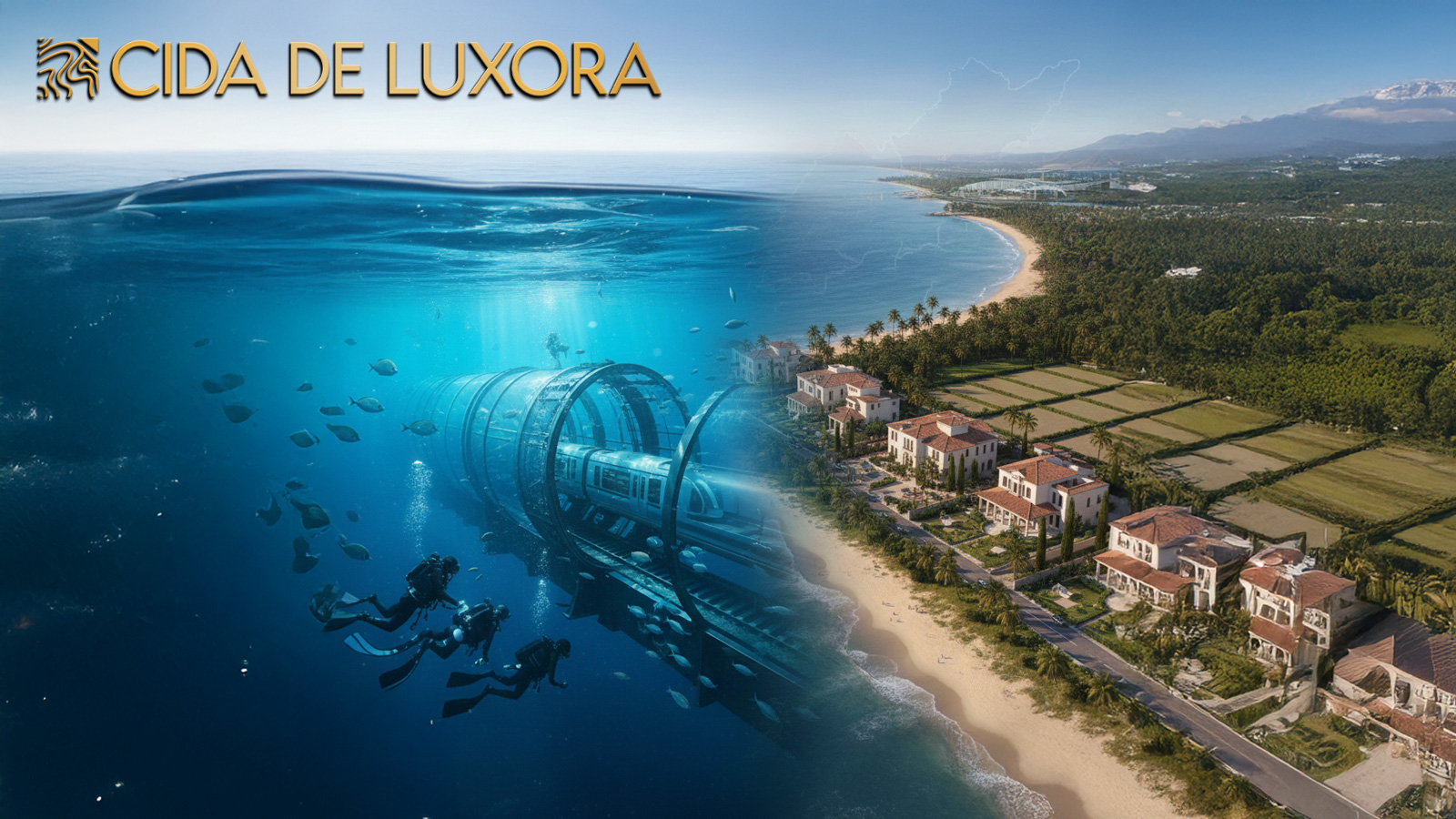
The project involves the development of a 24-seater battery-operated passenger submarine, designed and executed by Mazagon Dock Shipbuilders Limited (MDL), one of India’s most respected defence shipbuilding public sector undertakings.
This submarine is designed to offer controlled underwater viewing of marine ecosystems in the Arabian Sea, following international benchmarks for safety, sustainability, and environmental sensitivity.
Key verified details:
- Capacity: 24 passengers per ride
- Developer: Mazagon Dock Shipbuilders Ltd (MDL)
- Estimated project cost: ₹110.58 crore
- Location: Sindhudurg district, Konkan coast
- Objective: High-value, eco-sensitive marine tourism
For the maha goa real estate investment landscape, this announcement does something crucial—it places Sindhudurg on the national infrastructure map, not just the tourism brochure.
The INS Guldar Underwater Museum & Artificial Reef Project
Running parallel to the submarine tourism project is another landmark initiative: the EX-INS Guldar Underwater Museum and Artificial Reef Project.
INS Guldar, a decommissioned Indian Navy landing ship, is being deliberately submerged near Nivati Rocks, Vengurla (Sindhudurg) to create:
- An underwater heritage museum
- A man-made artificial reef
- A controlled marine biodiversity zone
Artificial reefs are a globally accepted conservation tool. Countries like Australia, Japan, and the United States have used them successfully to regenerate marine life while creating sustainable diving and research tourism.
By repurposing INS Guldar, Maharashtra is combining heritage, ecology, and tourism into a single long-term asset.
From the perspective of maha goa real estate investment, this project reinforces a critical message: Sindhudurg is not being positioned for short-term footfall, but for year-round experiential tourism.
Why the Government Is Betting Big on Sindhudurg
From Mass Tourism to High-Value Tourism
Over the last decade, Indian tourism policy has undergone a quiet but decisive evolution. Governments are increasingly aware that mass tourism strains infrastructure, degrades ecology, and delivers diminishing economic returns.
The new policy direction prioritises:
- High-value visitors
- Low-footfall, controlled access
- Sustainable, eco-sensitive experiences
The submarine tourism and underwater museum projects align perfectly with this philosophy.
Instead of tens of thousands of low-spend tourists, Sindhudurg is being prepared for fewer visitors who stay longer, spend more, and demand quality infrastructure.
For maha goa real estate investment, this shift matters immensely. High-value tourism directly supports:
- Luxury and mid-luxury villa demand
- Long-stay second homes
- Premium retail and dining
- Service-oriented commercial spaces
Central Government Support and SASCI Funding
The EX-INS Guldar project received a significant boost through the Special Assistance Scheme for Capital Investment (SASCI)—a central government initiative designed to develop iconic tourist destinations across India.
In November 2024, an additional ₹46.91 crore was sanctioned under this scheme, pushing the combined public investment beyond ₹110 crore.
When both state and central governments commit capital to a project, execution risk reduces dramatically. For maha goa real estate investment, this policy backing provides long-term confidence.
How Tourism Infrastructure Translates Into Real Estate Growth
The Infrastructure → Property Value Chain
Across real estate history, one pattern repeats consistently:
Infrastructure investment → Improved access → Tourism growth → Lifestyle migration → Property appreciation
Airports, highways, ports, and destination tourism projects do not immediately inflate prices. Instead, they create structural demand, which compounds value over time.
Sindhudurg is now entering this exact phase.
Why Underwater Tourism Is More Powerful Than Beaches Alone
Beaches are abundant. Experiences are scarce.
Underwater museums and submarine tourism:
- Operate throughout the year
- Are not dependent on seasonal crowds
- Attract international travellers
- Encourage longer stays
This converts tourism from a seasonal spike into a predictable economic engine.
For investors evaluating maha goa real estate investment, predictability is far more valuable than hype.
Understanding the Maha-Goa Belt as an Investment Geography
What Exactly Is the Maha-Goa Region?
The Maha-Goa belt refers to the transitional coastal region spanning:
- Sindhudurg district in southern Maharashtra
- Northern Goa spillover zones
This region combines:
- Goa-like beaches and climate
- Maharashtra-level land availability
- Lower entry prices
- Clearer land regulations
This unique combination is why maha goa real estate investment has emerged as a high-intent search category.
Why Investors Are Shifting Focus Here in 2026
- Goa Has Matured
Prime Goan markets are already priced for late-cycle buyers. - Price Arbitrage Exists
Comparable coastal land in Sindhudurg often trades at a fraction of Goa’s rates. - Infrastructure Is Catching Up
NH-66 upgrades, airport expansion, and now destination tourism.
NH-66, Airports, and Connectivity: The 2026 Access Stack
NH-66 (Mumbai–Goa Highway)
The NH-66 upgrade has long been awaited, and by 2026, multiple stretches are nearing operational readiness. This highway is the spine of the Maha-Goa corridor.
Improved highway access enhances:
- Weekend travel feasibility
- Logistics and service access
- Commercial frontage value
All of which strengthen maha goa real estate investment fundamentals.
Sindhudurg (Chipi) Airport Growth
Sindhudurg Airport has steadily expanded domestic connectivity, reducing the region’s reliance on road travel alone.
Air connectivity is often the final catalyst that converts a region from “promising” to “performing.”

Why Smart Capital Moves Before Saturation
The Goa Parallel Investors Should Not Ignore
Two decades ago, Goa’s villa belts were dismissed as fringe. Early investors benefited from:
- Exponential land appreciation
- Strong rental yields
- Lifestyle-driven demand
Late entrants paid a premium for fully priced markets.
Sindhudurg’s Position in 2026
Sindhudurg today sits at a similar point:
- Infrastructure has arrived
- Government intent is clear
- Prices are still in accumulation range
For disciplined maha goa real estate investment, this stage historically offers the highest risk-adjusted returns.
Where Cida De Luxora Aligns With This 2026 Shift
Strategic Location and Ecosystem Advantage
Cida De Luxora is located:
- Just minutes from NH-66
- Along State Highway 180 leading to white-sand beaches
- Within the Sawantwadi–Sindhudurg growth belt
Rather than existing in isolation, it aligns directly with the infrastructure narrative driving maha goa real estate investment.
Why Integrated Developments Outperform Standalone Plots
Tourism corridors mature around ecosystems, not isolated assets.
Integrated developments that combine:
- Villa plots
- Retail spaces
- Office and service zones
tend to outperform purely residential layouts.
This is especially true in regions transitioning into destination economies.
Risk Factors and Due Diligence (What Investors Must Check)
Every real estate opportunity carries risk. Key checks include:
- Clear land titles
- Approved zoning
- Government project timelines
- Infrastructure execution pace
The advantage of government-led tourism infrastructure is policy continuity, which significantly reduces uncertainty in maha goa real estate investment decisions.
2026–2030 Outlook for Maha Goa Real Estate Investment
Short-Term (1–2 Years)
- Rising investor enquiries
- Early rental demand
- Gradual land price appreciation
Medium-Term (3–5 Years)
- Capital appreciation
- Lifestyle migration
- Commercial and retail maturity
FAQ
1. What is driving the rise in maha goa real estate investment in 2026?
The primary driver behind the rise in maha goa real estate investment in 2026 is government-led infrastructure development, particularly in southern Maharashtra’s Sindhudurg district. Projects such as India’s first passenger submarine tourism initiative, the INS Guldar underwater museum, NH-66 highway upgrades, and expanding air connectivity are transforming the region from a seasonal tourist belt into a year-round destination economy.
When public capital flows into tourism infrastructure, it typically triggers long-term demand for land, second homes, villas, retail, and service-oriented commercial spaces.
2. Is the submarine tourism project in Sindhudurg officially approved by the government?
Yes. The submarine tourism project proposed for Sindhudurg has received official approval from the Maharashtra government, with technical execution by Mazagon Dock Shipbuilders Ltd (MDL). The project has also received central government financial support, making it one of the most credible tourism infrastructure initiatives announced for the Konkan coast.
This level of state and central backing significantly reduces execution risk, which is a key consideration for anyone evaluating maha goa real estate investment.
3. Where is the INS Guldar underwater museum located, and why is it important?
The INS Guldar underwater museum is being developed near Nivati Rocks, Vengurla, in Sindhudurg district. The decommissioned naval vessel INS Guldar is being repurposed as an artificial reef and underwater heritage site, promoting marine biodiversity and sustainable tourism.
This project is important because underwater museums tend to attract high-value, eco-conscious tourists, which directly supports long-term maha goa real estate investment through demand for quality accommodation and lifestyle properties.
4. How does tourism infrastructure impact real estate prices in the Maha-Goa region?
Tourism infrastructure impacts property prices through a predictable cycle: improved accessibility leads to higher visitor inflow, which increases demand for accommodation, retail, and services. Over time, this demand translates into land appreciation and rental income potential.
In the case of maha goa real estate investment, projects like submarine tourism and underwater museums convert Sindhudurg into a destination rather than a stopover, which is far more powerful for long-term value creation.
5. Why are investors considering Sindhudurg as an alternative to Goa?
Investors are increasingly considering Sindhudurg because Goa has entered a mature and saturated phase, with high entry prices and regulatory constraints. Sindhudurg, by contrast, offers:
- Lower land acquisition costs
- Better price arbitrage
- Stronger government-led growth visibility
This makes maha goa real estate investment more attractive for investors seeking early- to mid-cycle opportunities rather than late-stage pricing.
6. How does NH-66 improve the maha goa real estate investment outlook?
NH-66 (Mumbai–Goa Highway) is the backbone of the Maha-Goa corridor. Ongoing upgrades are significantly reducing travel time and improving logistics, making Sindhudurg more accessible for tourists, professionals, and second-home buyers.
Properties located close to NH-66 typically benefit from higher visibility, better connectivity, and stronger commercial potential—key drivers of maha goa real estate investment performance.
7. Is the Maha-Goa region suitable for second home and villa investments?
Yes. The Maha-Goa region is increasingly viewed as ideal for second homes and villa investments due to its coastal climate, scenic environment, improving infrastructure, and relatively low population density.
As tourism becomes more experiential and long-stay oriented, second homes are no longer just lifestyle assets—they are also income-generating investments within the broader maha goa real estate investment framework.
8. Are government policies supportive of long-term real estate investment in this region?
Yes. Maharashtra’s current development approach emphasises sustainable tourism, infrastructure creation, and regional economic balance. Central schemes such as the Special Assistance Scheme for Capital Investment (SASCI) further reinforce long-term policy commitment.
Policy continuity is a critical risk mitigator for maha goa real estate investment, especially in emerging corridors like Sindhudurg.
9. What risks should investors consider before investing in the Maha-Goa belt?
While the outlook for maha goa real estate investment is positive, investors should still conduct due diligence on:
- Land title clarity
- Zoning and development permissions
- Proximity to infrastructure projects
- Developer credibility
Government-led tourism projects reduce macro risk, but micro-level checks remain essential.
10. Is this the right time to enter maha goa real estate investment, or should investors wait?
Historically, the best risk-adjusted returns in real estate come before infrastructure fully matures, not after prices peak. With major tourism and connectivity projects currently under development, 2026 represents an early-to-mid entry window for maha goa real estate investment.
Waiting until full operationalisation often means paying a premium rather than capturing growth.
11. How does sustainable tourism benefit real estate investors in the long run?
Sustainable tourism focuses on controlled growth, environmental preservation, and high-quality visitor experiences. This results in stable demand rather than volatile booms, which is ideal for long-term real estate value creation.
For maha goa real estate investment, sustainability ensures that the region remains attractive and livable over decades—not just during tourism cycles.
12. What type of investors is the Maha-Goa region best suited for?
The Maha-Goa region is best suited for:
- Long-term capital appreciation investors
- Second-home buyers
- Lifestyle-driven investors
- Investors seeking early exposure to emerging destinations
Those aligned with patient, infrastructure-led growth strategies are likely to benefit most from maha goa real estate investment.
Infrastructure Creates Legacy
Governments do not invest ₹110+ crore casually. They invest with intent—intent that reshapes geography, economies, and land values.
Maharashtra’s underwater tourism initiative is not just a tourism project. It is a destination-defining move that places Sindhudurg firmly within India’s next coastal growth narrative.
For those evaluating maha goa real estate investment, 2026 is not about speculation. It is about positioning ahead of inevitability—where policy, infrastructure, and experience converge to create enduring value.
In real estate, timing is everything.